The Best Types of Wood for Kitchens and How to Choose the Right One
8-4-2025
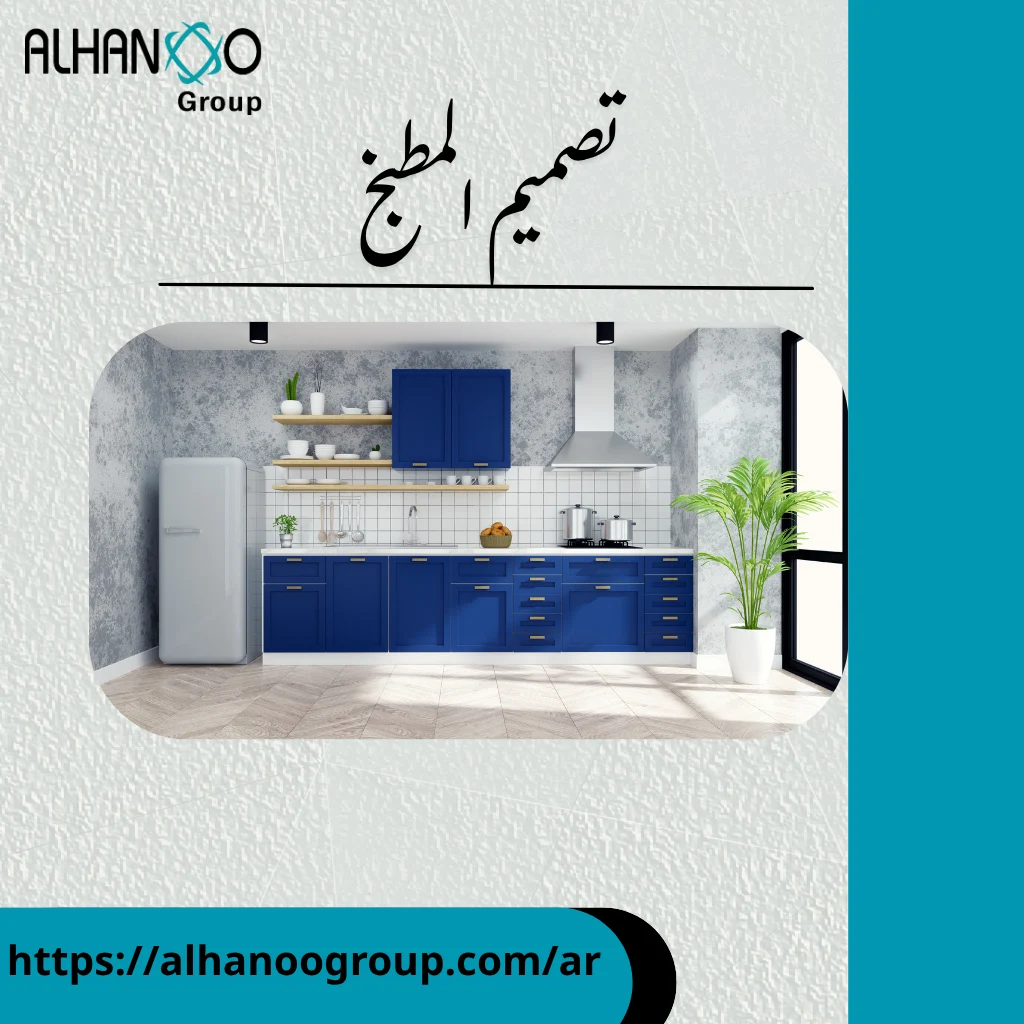
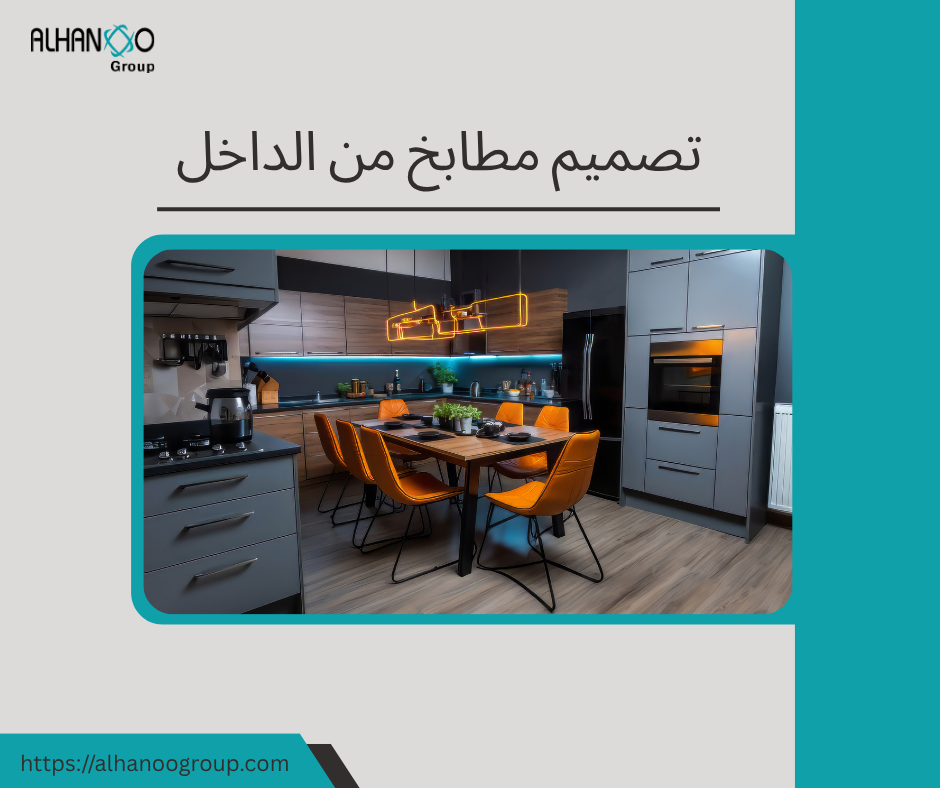
Kitchen design is one of the most important elements of the home because it combines beauty with practical functionality. Good kitchen design takes into account space, material selection, appliance arrangement, and storage organization so that the kitchen is practical and comfortable for daily use.
Kitchen design is not just about choosing furniture or cabinets; rather, it is an integrated planning process that includes:
Space Distribution: To ensure ease of movement during cooking and preparation.
Multiple Functions: From storage to preparation, cooking, and cleaning.
Aesthetics of the Place: Choosing materials and colors that add a touch of elegance and modernity to the kitchen.
Safety of Use: Arranging the kitchen in a way that prevents accidents and facilitates access to tools.
Before starting, the length and width of the kitchen must be accurately measured, along with determining the ceiling height and electrical and water outlets. This step helps in choosing the optimal design for furniture and appliances.
The kitchen can be chosen based on the material used:
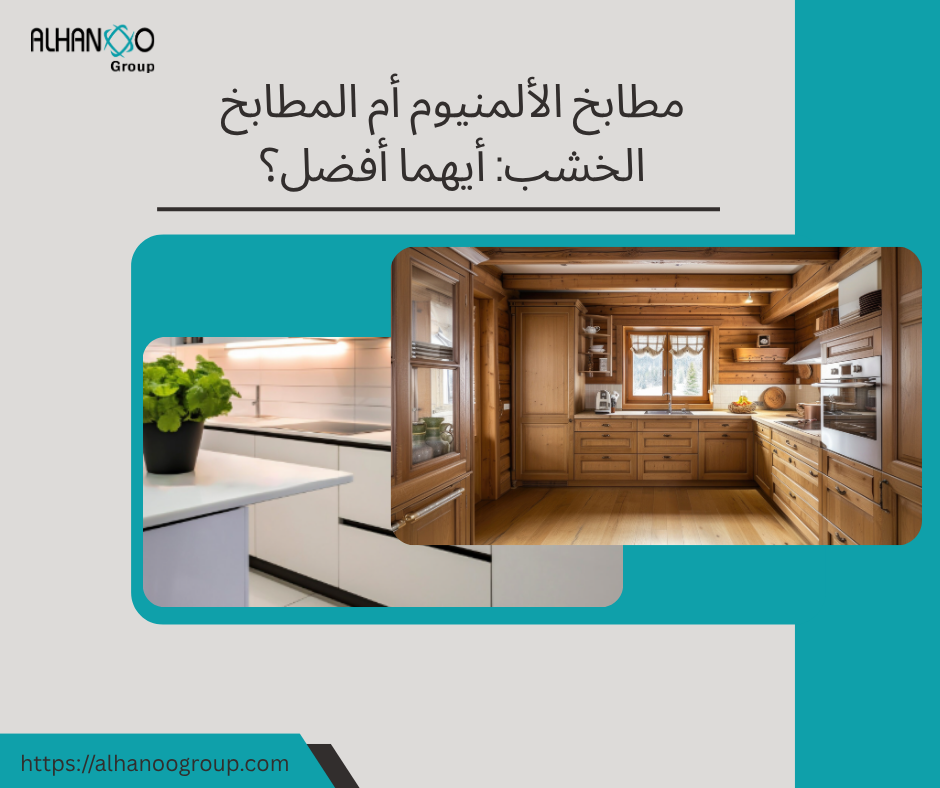
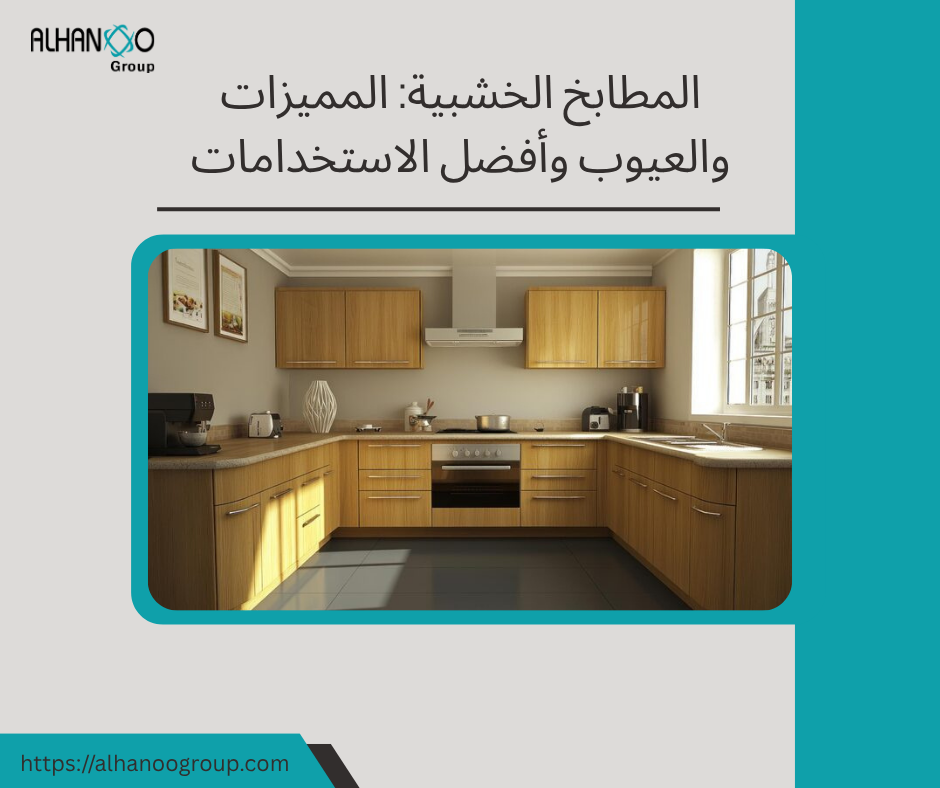
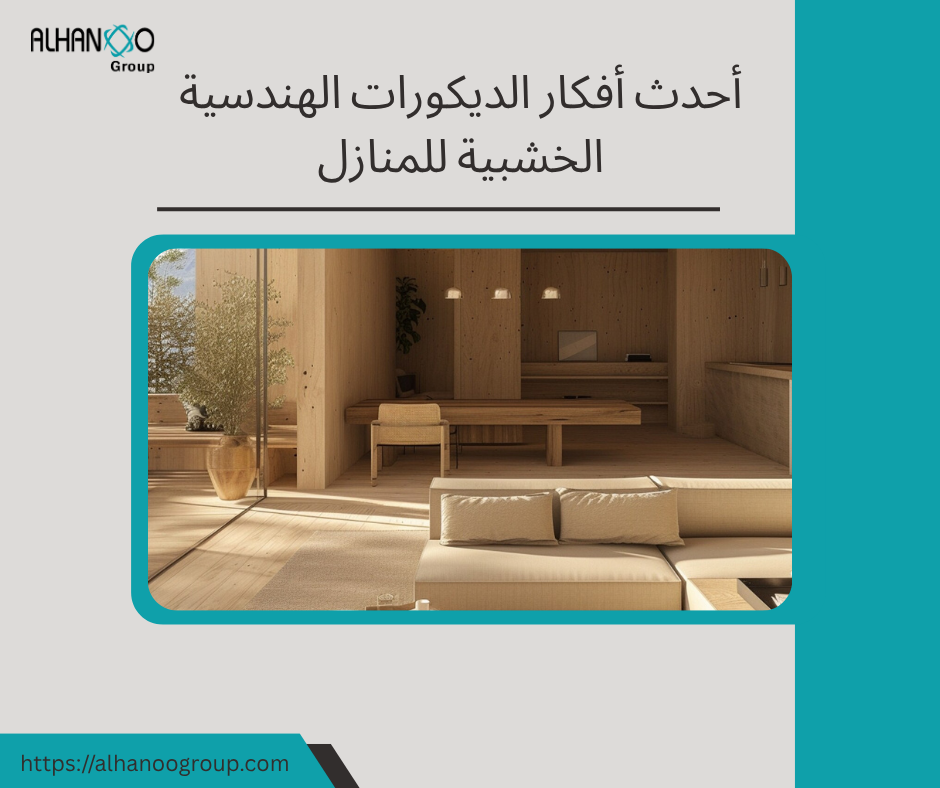
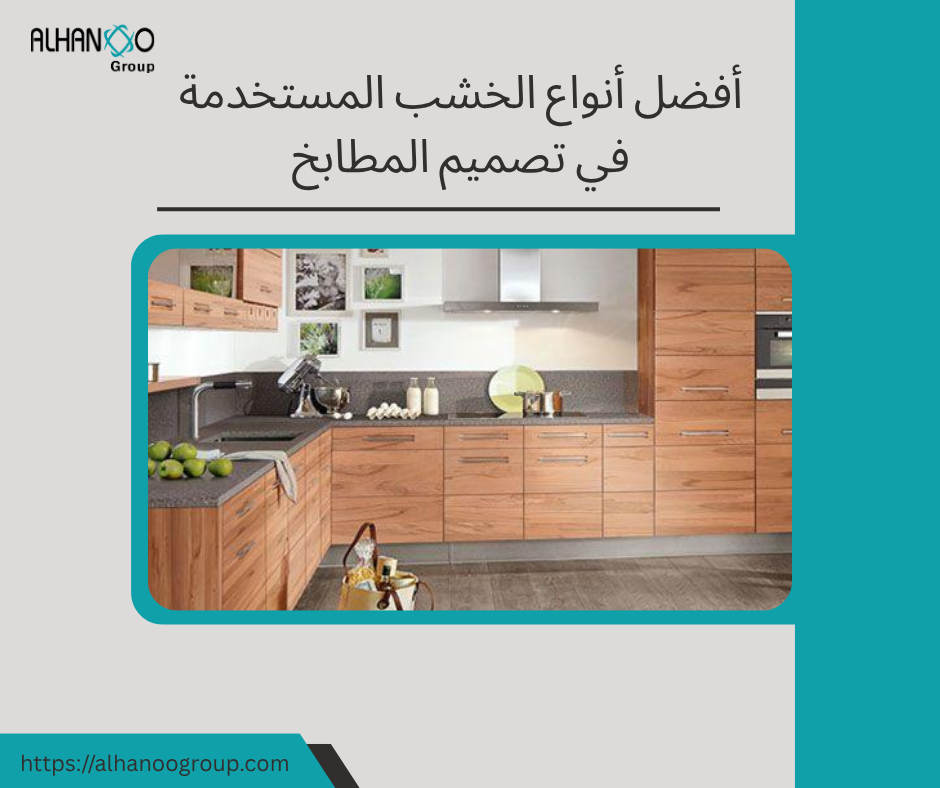
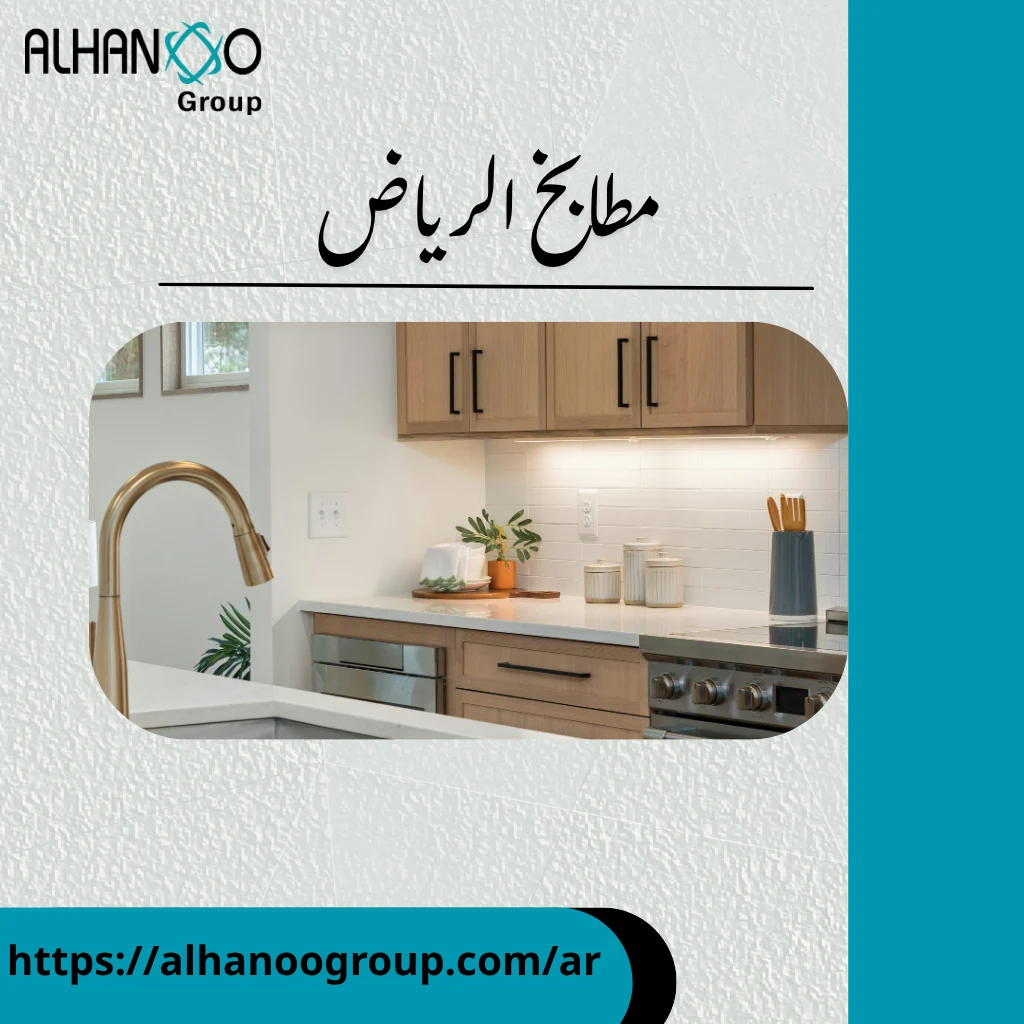
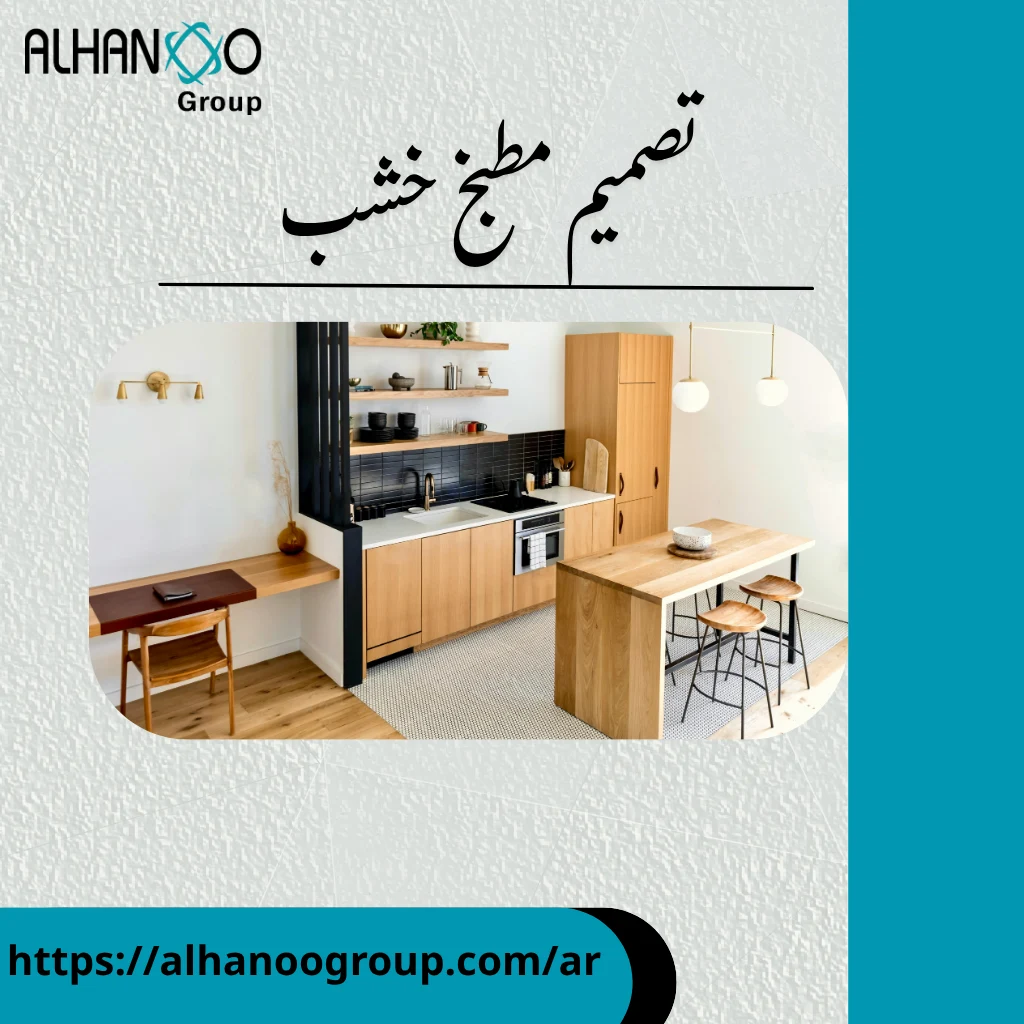
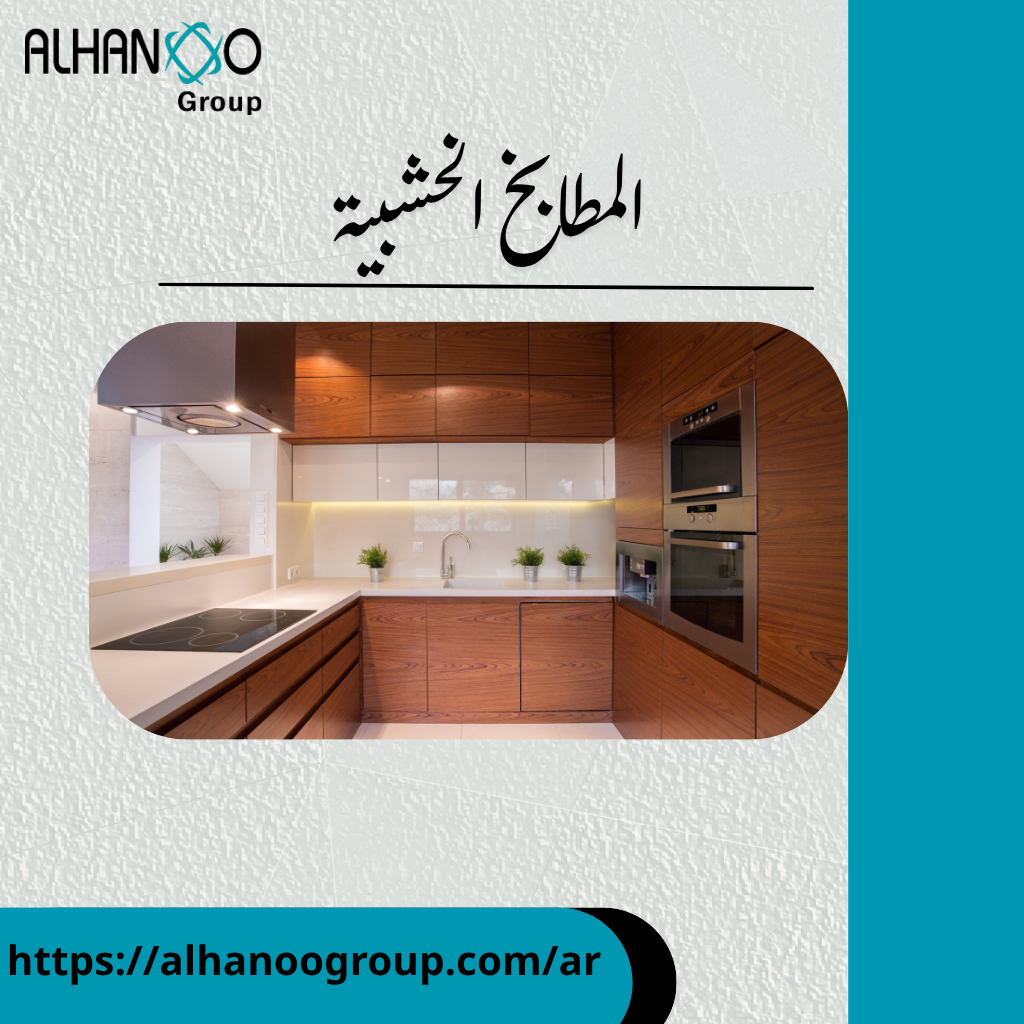
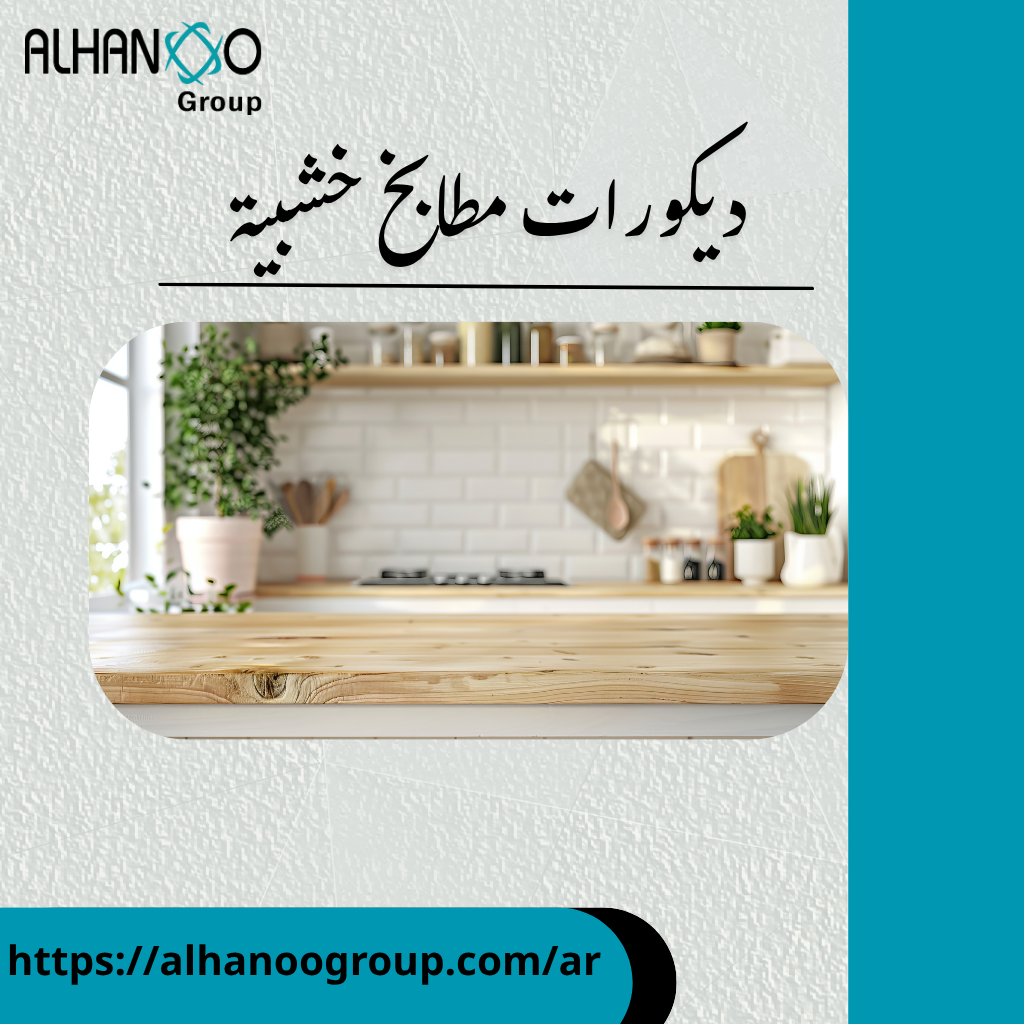
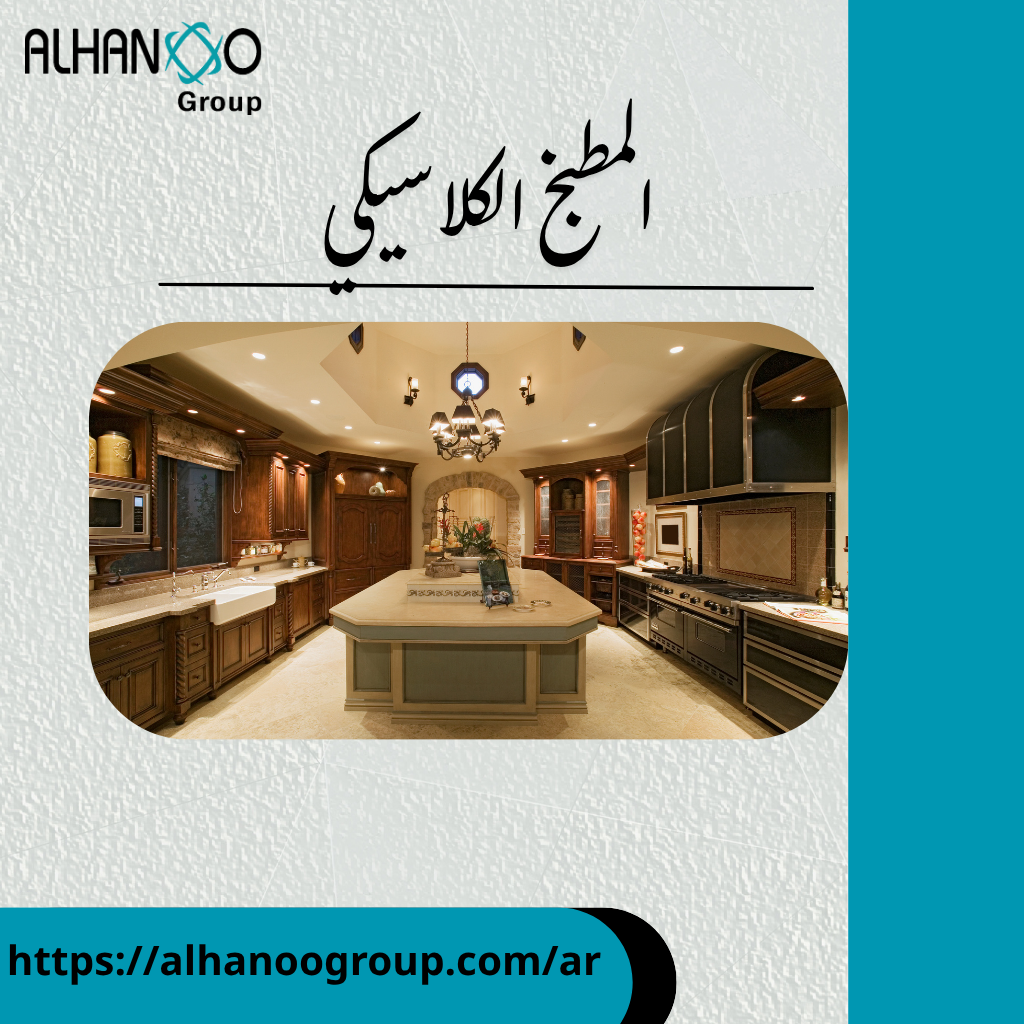
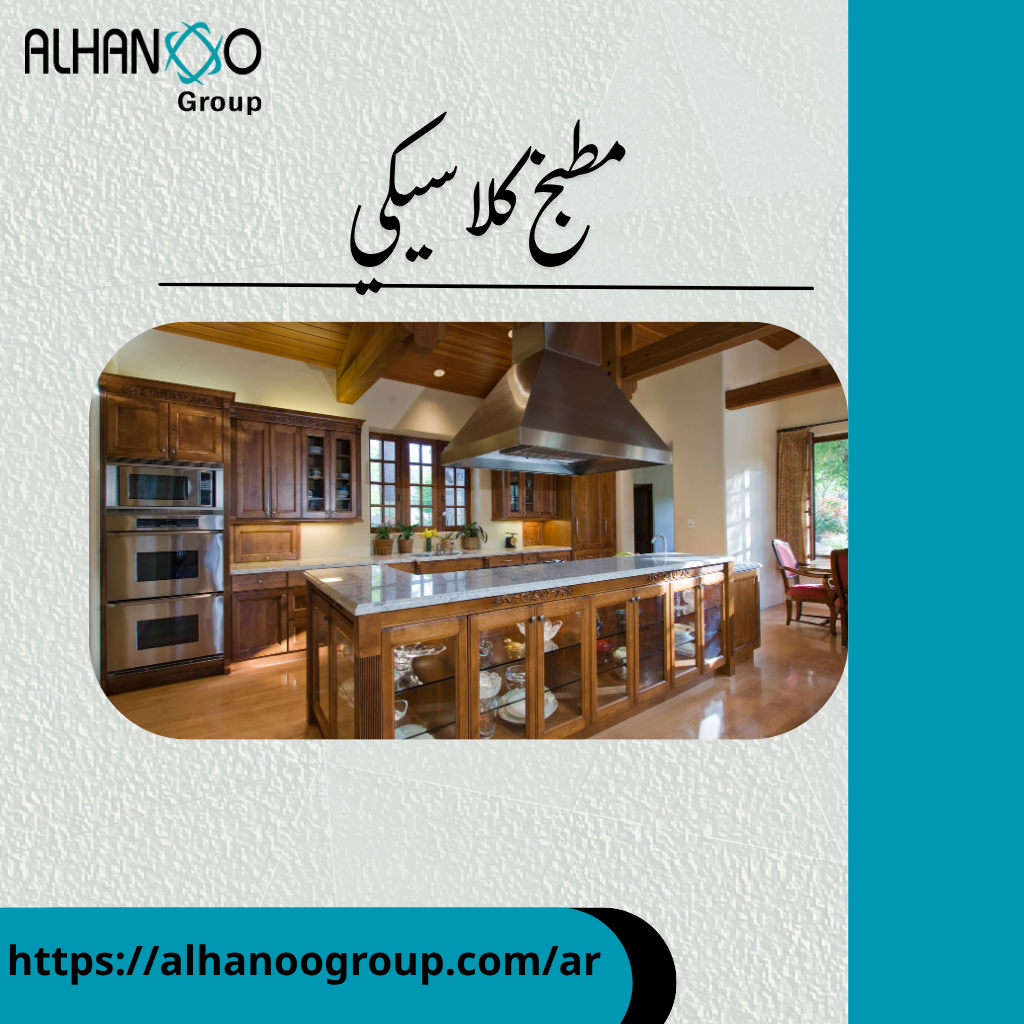
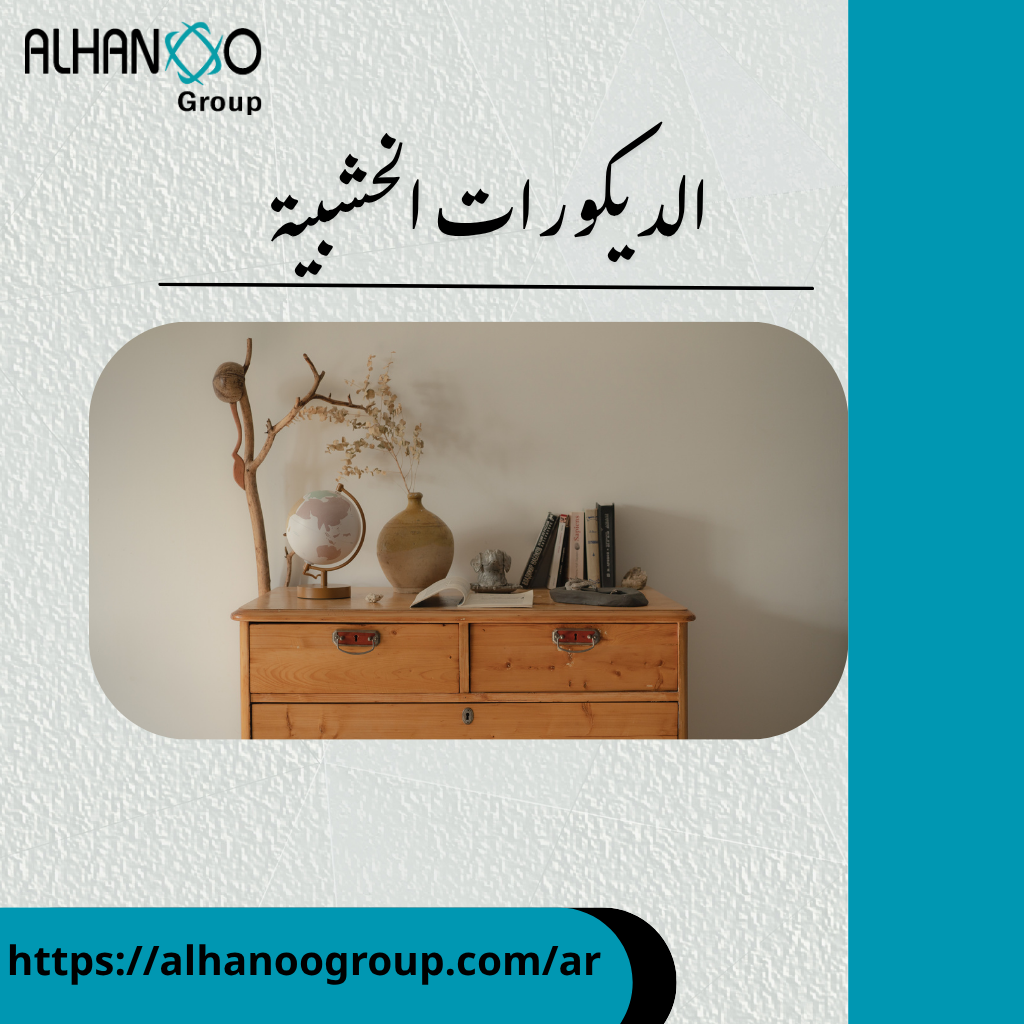
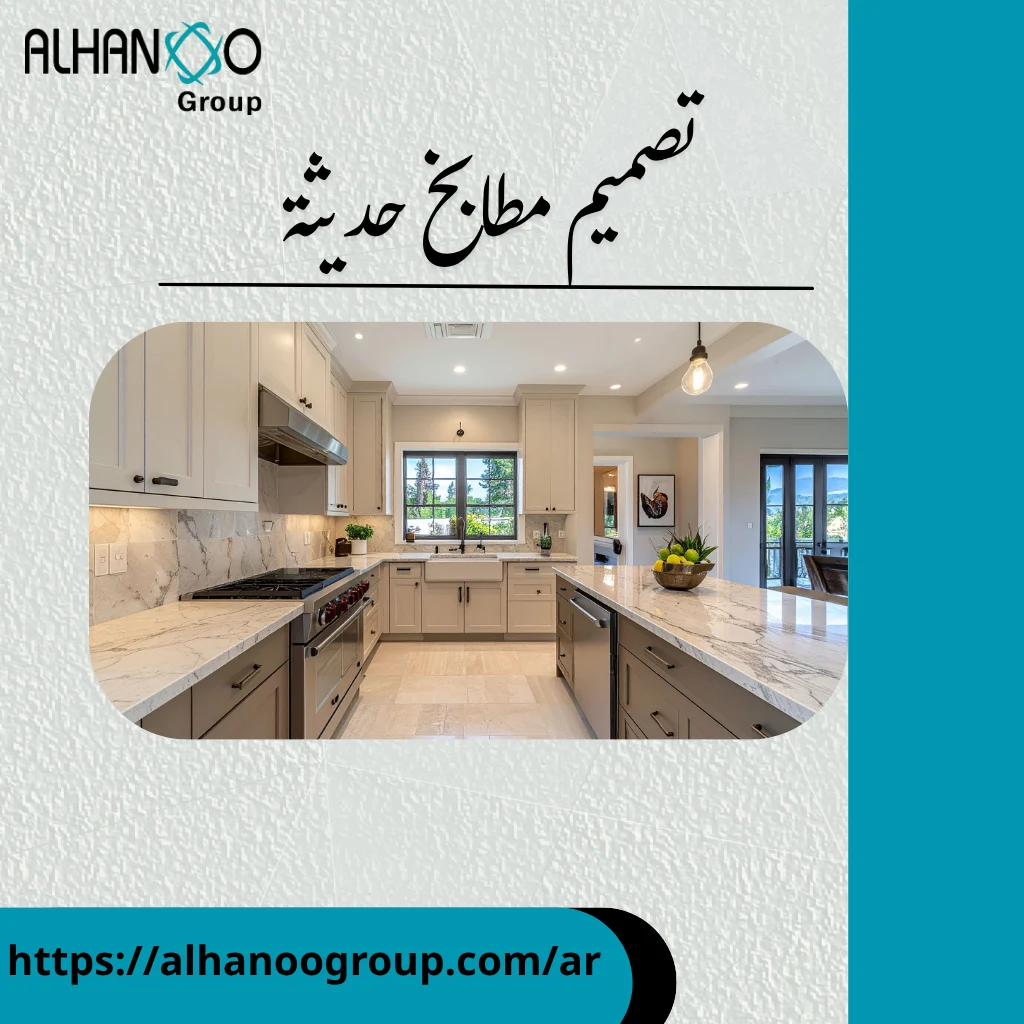
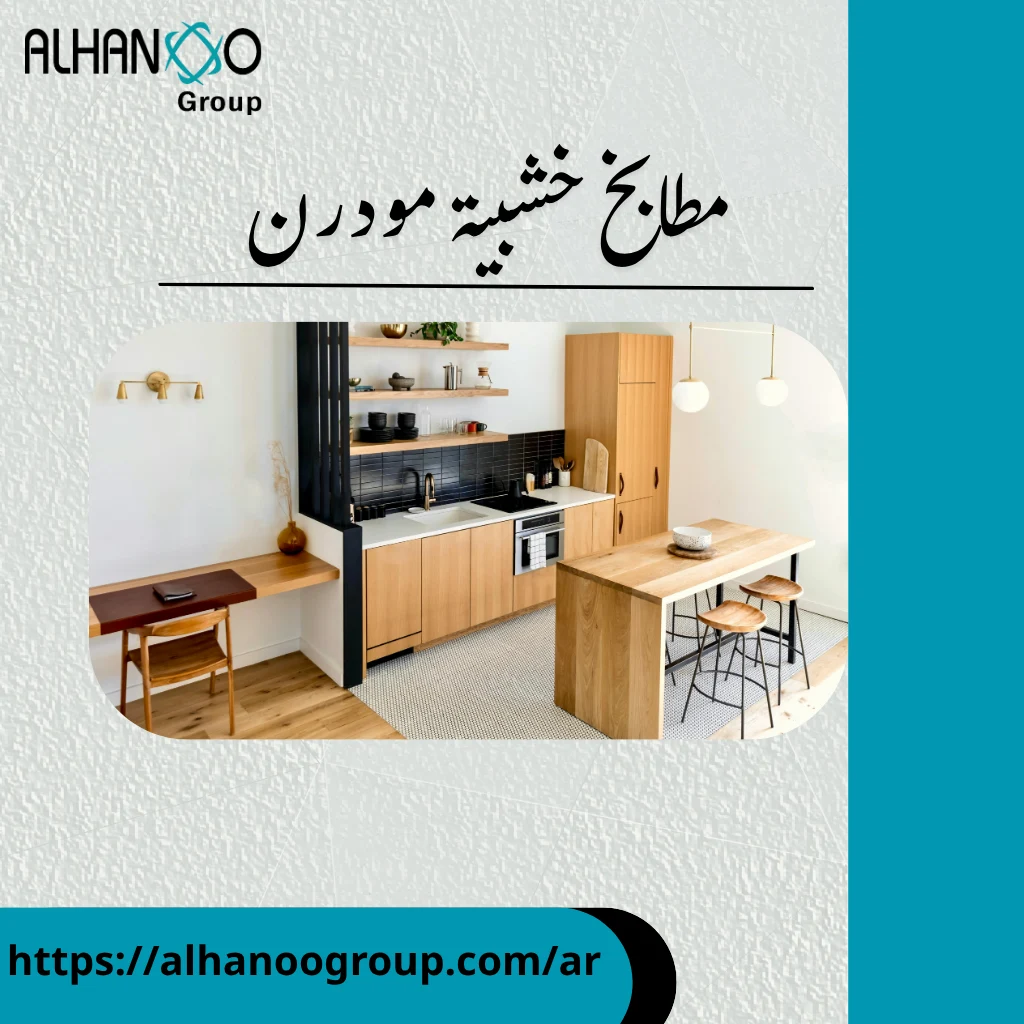
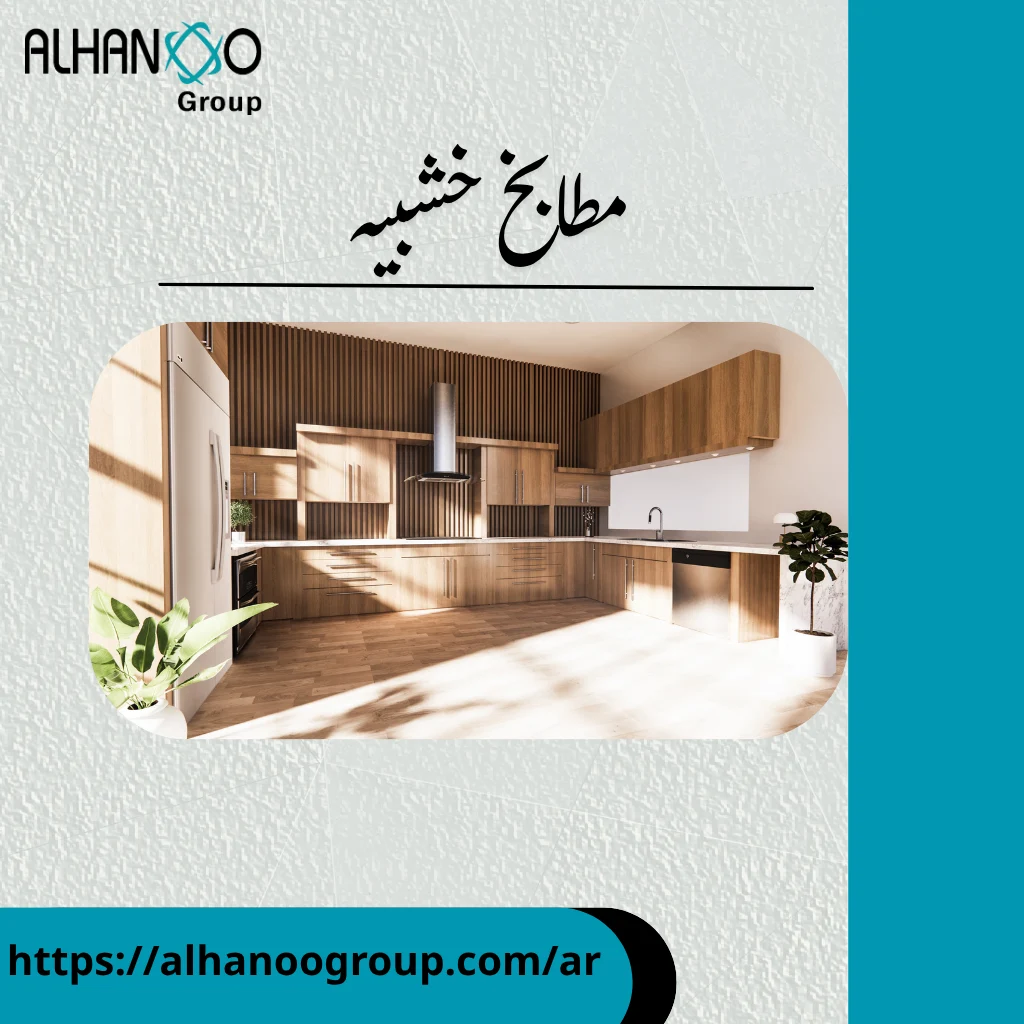
Wooden Kitchens: Give warmth and elegance, suitable for classic and modern kitchens.
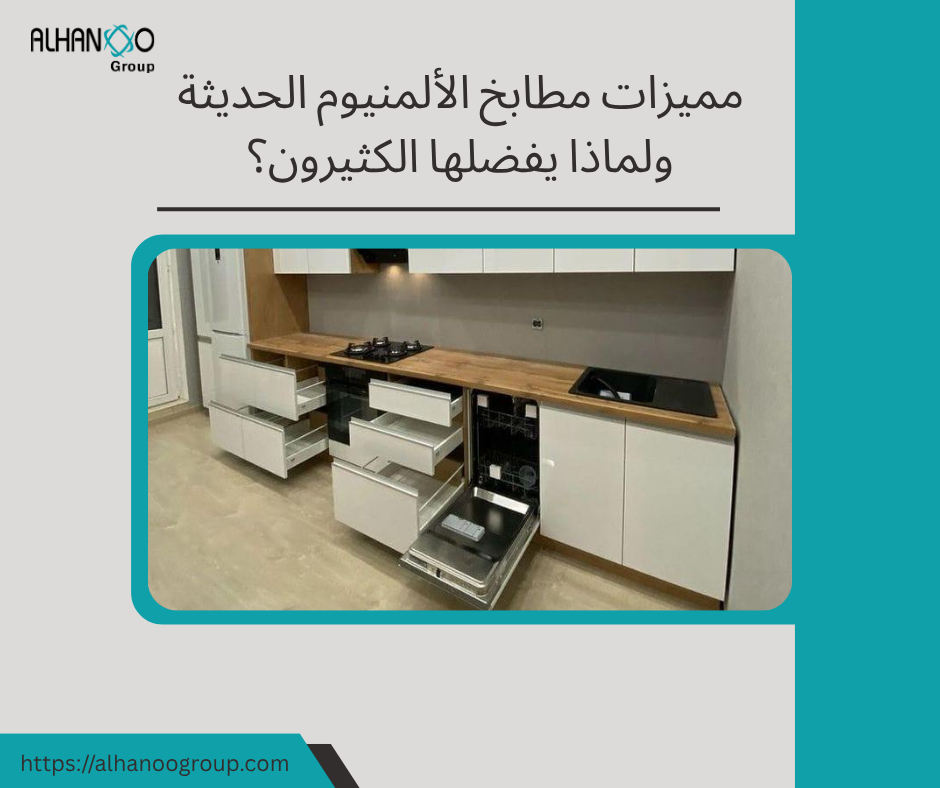
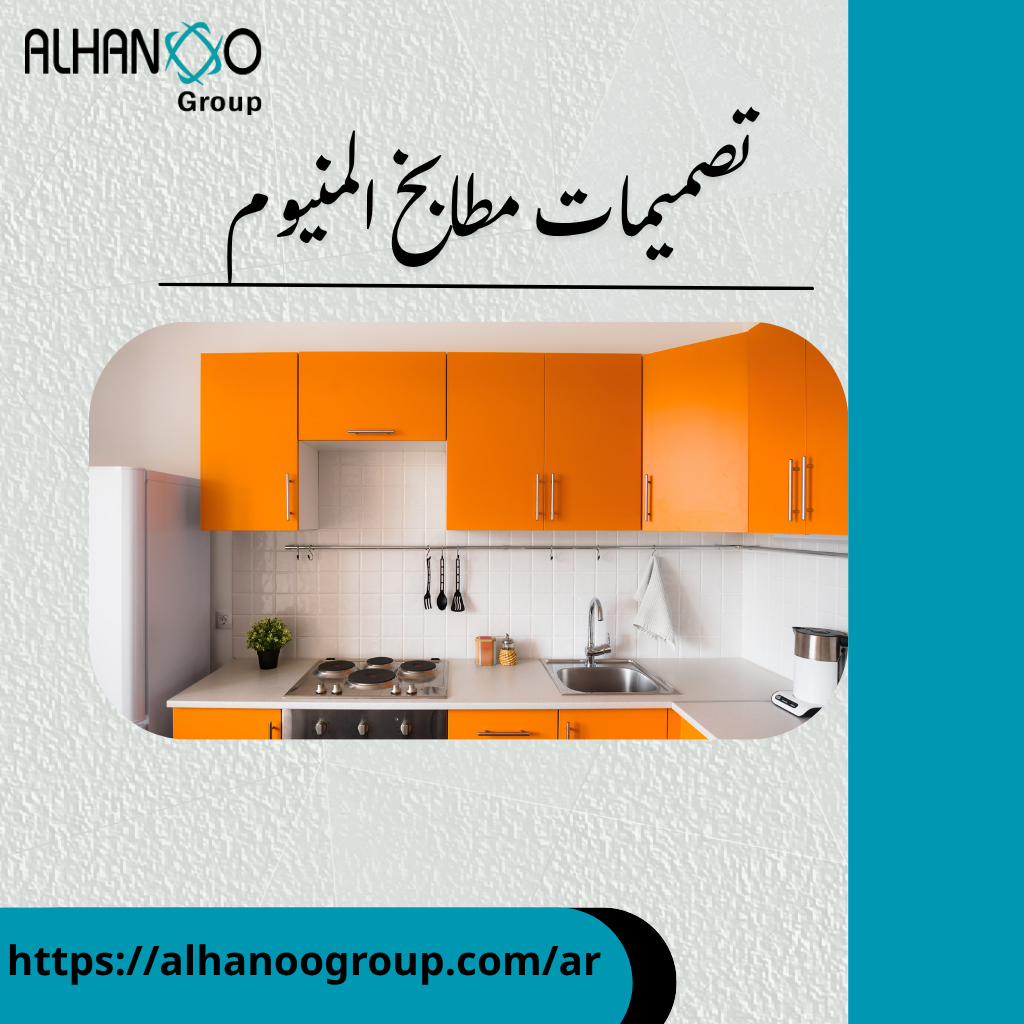
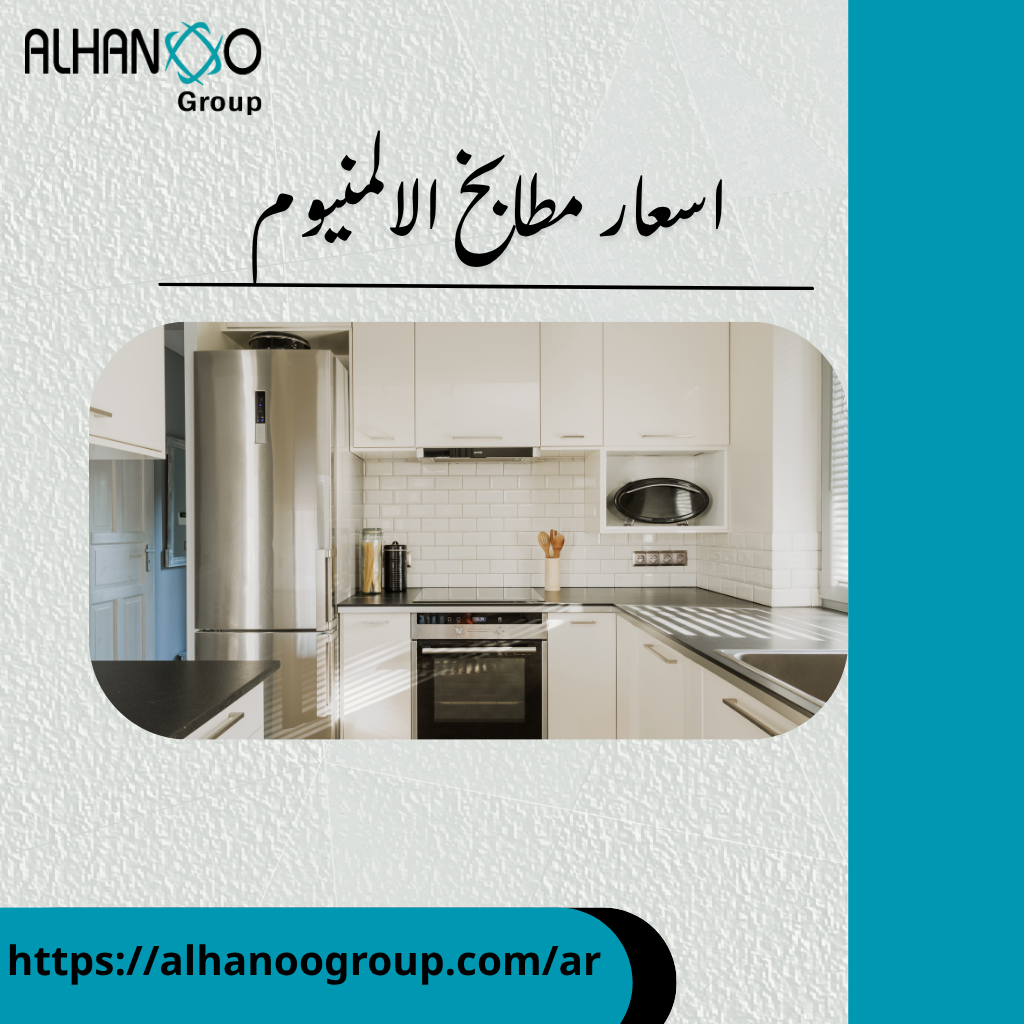
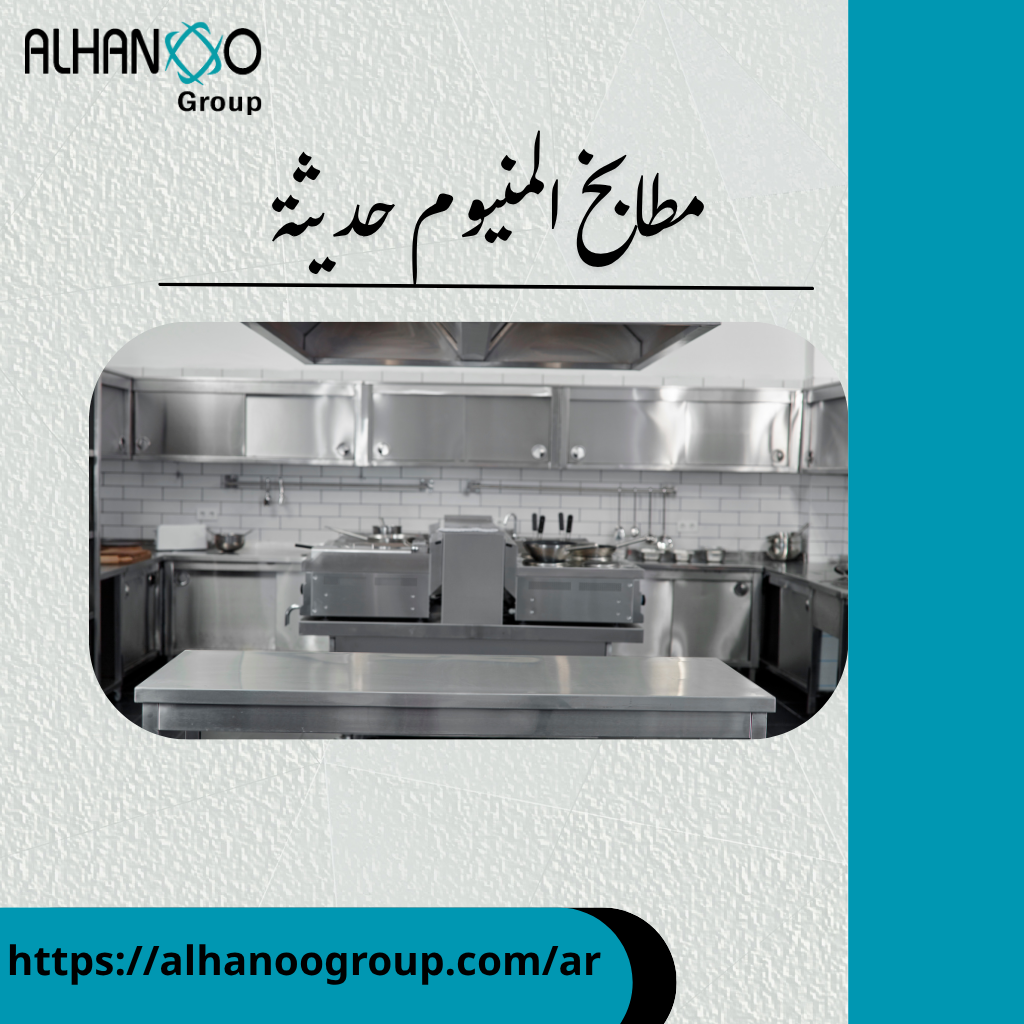
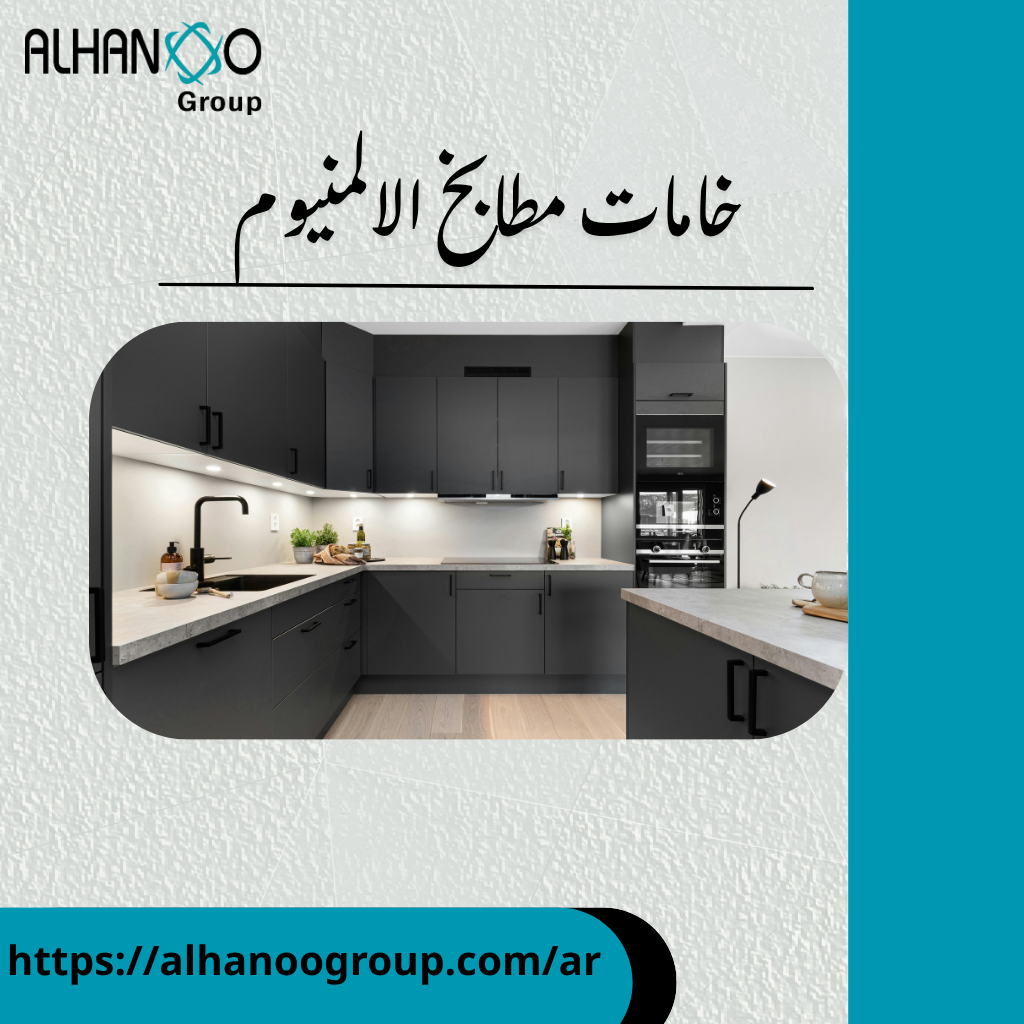
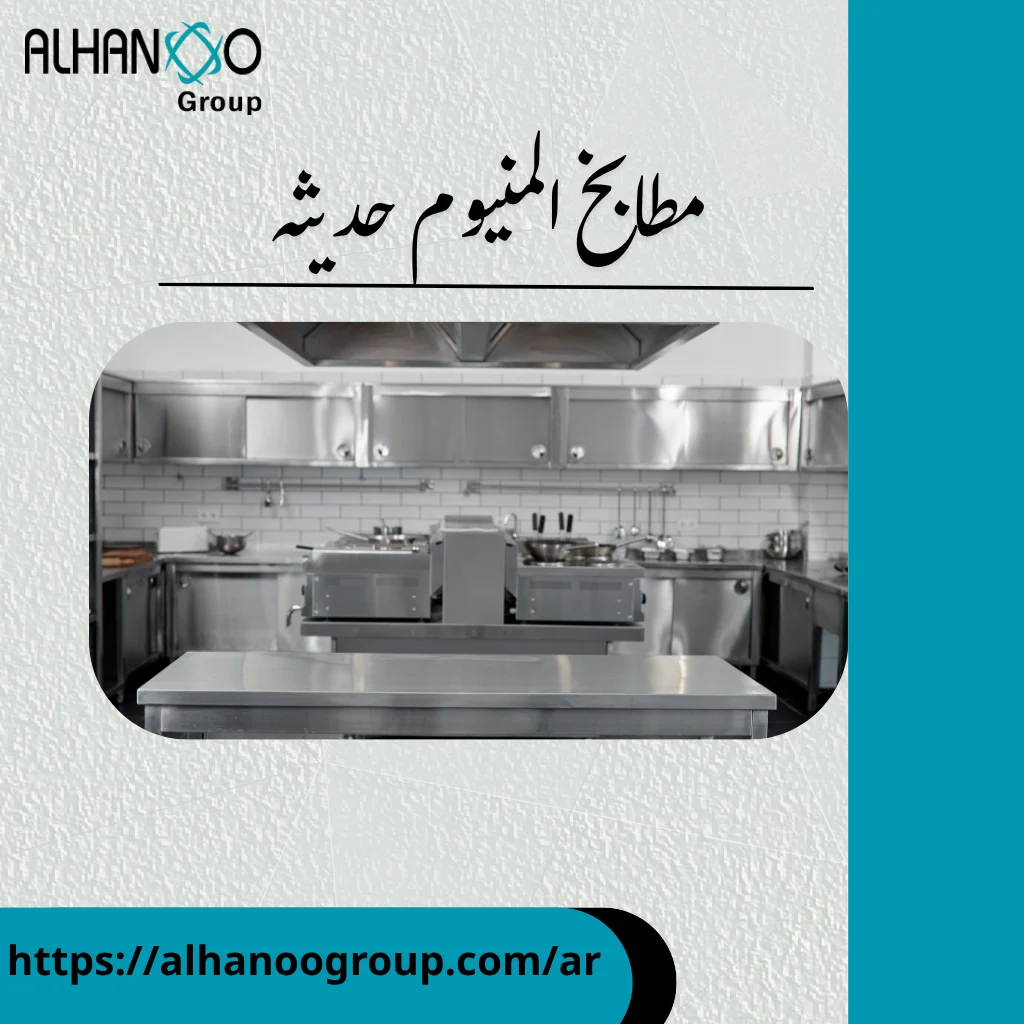
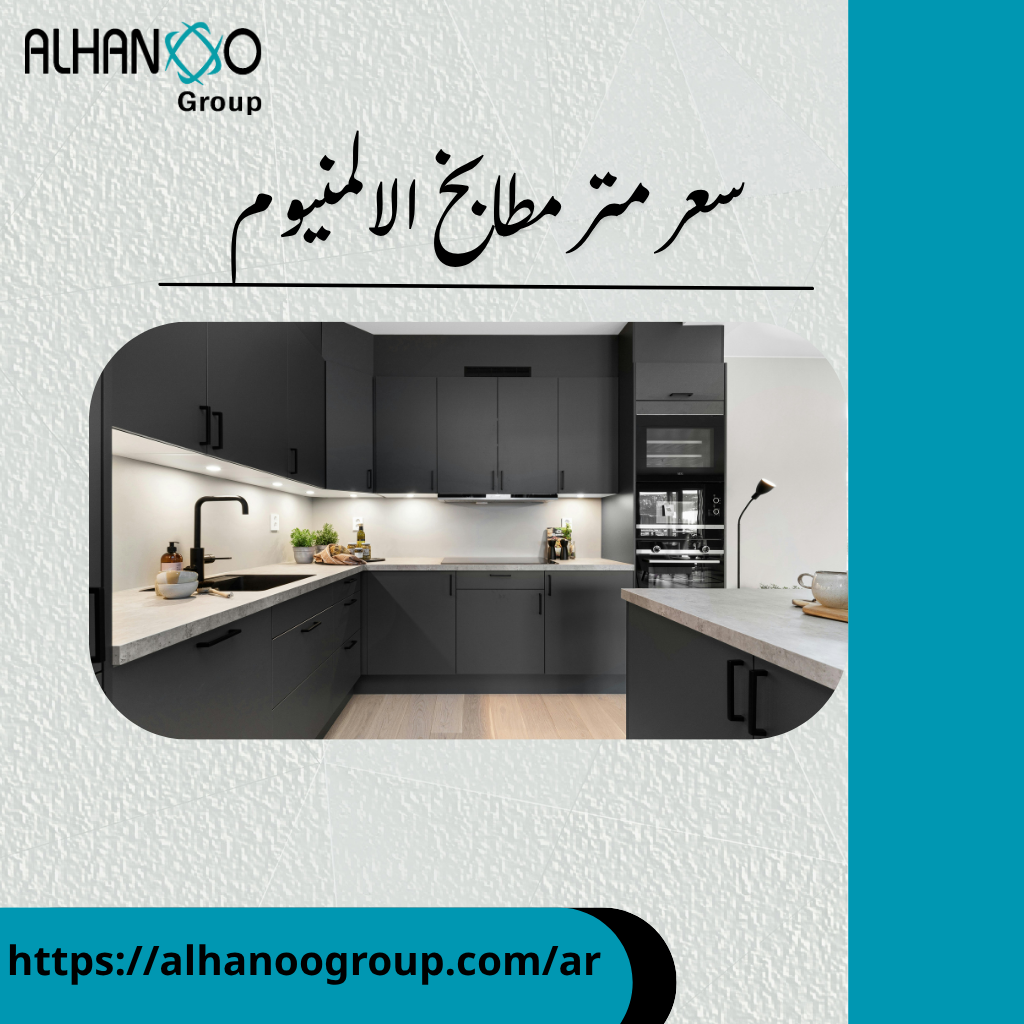
Aluminum Kitchens: Moisture-resistant and easy to clean, ideal for contemporary kitchens.
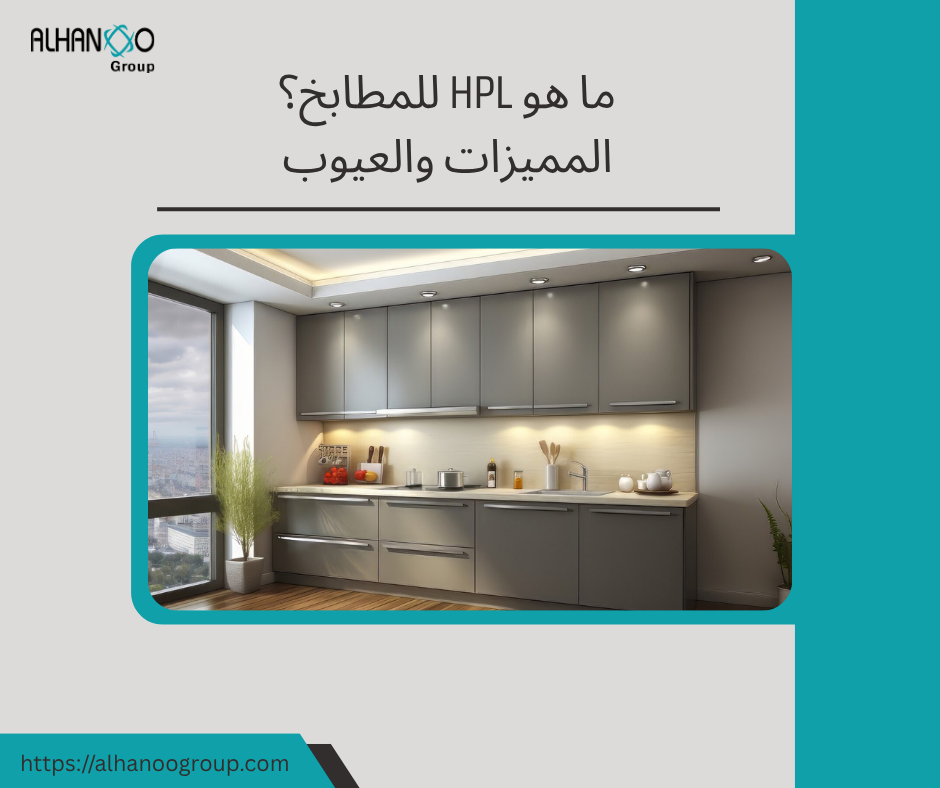
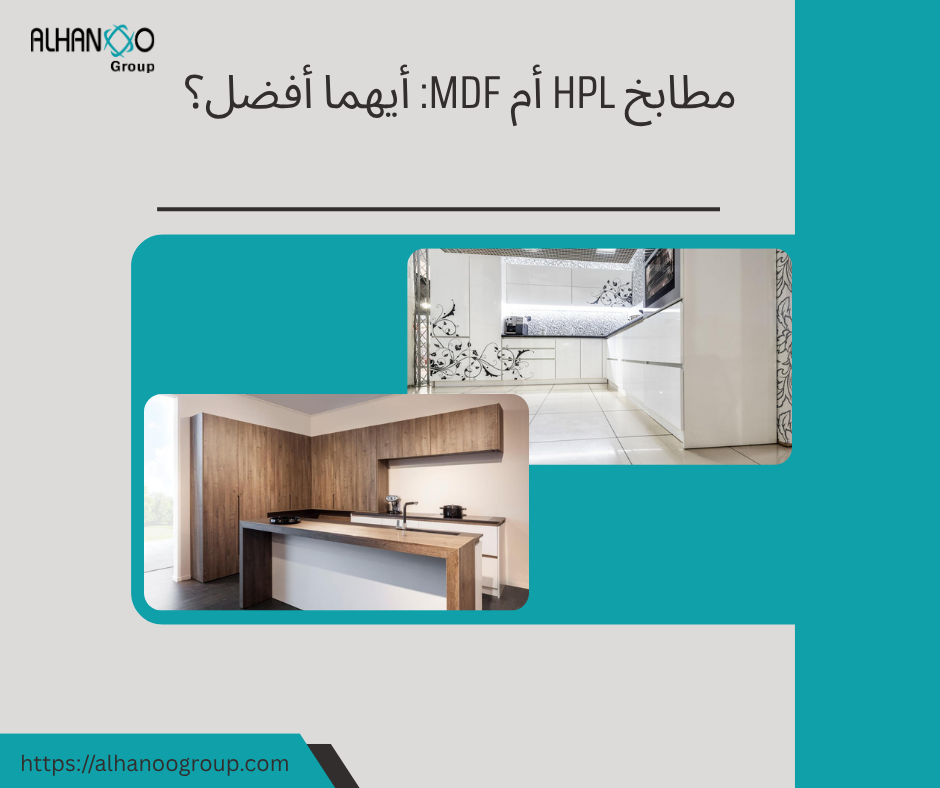
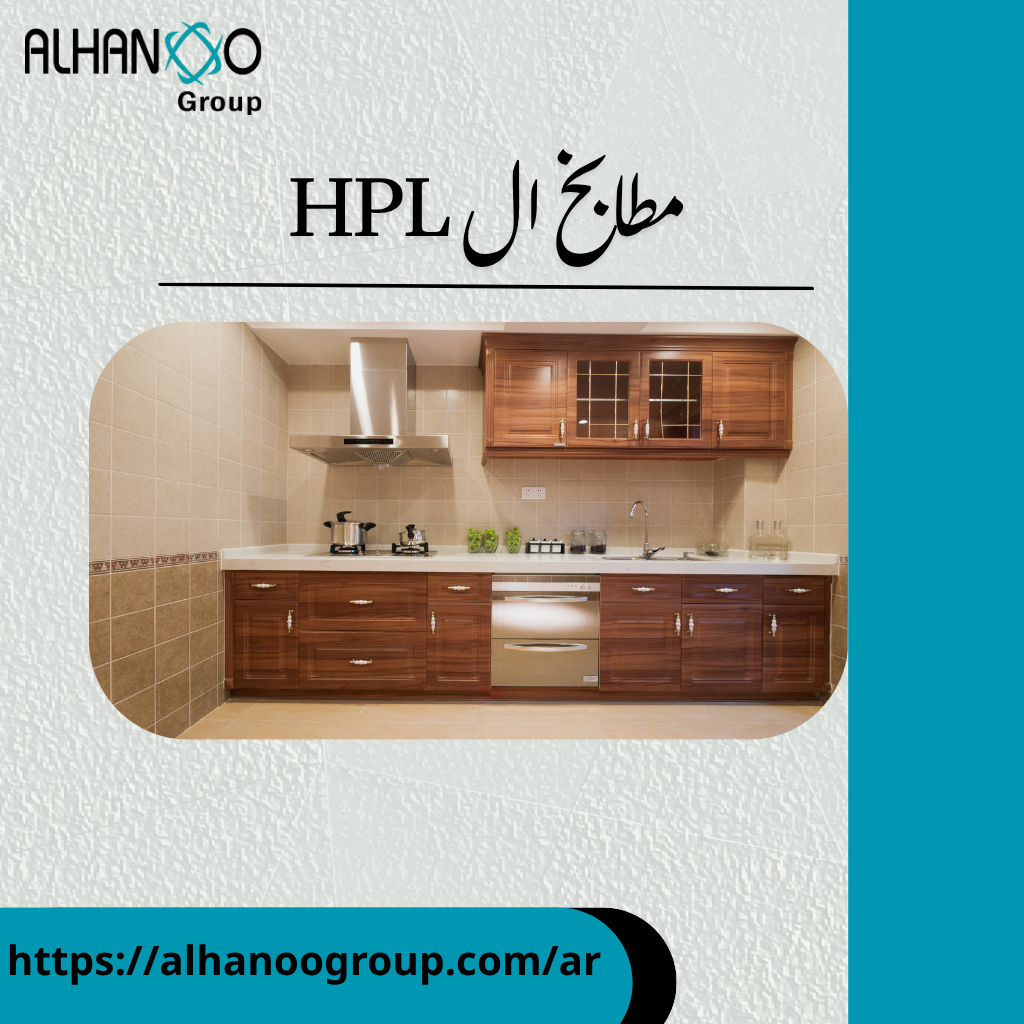
HPL Kitchens: Provide diverse colors and a durable surface against scratches and moisture.
It is important to determine the cooking, preparation, and washing areas in a balanced manner. The "kitchen work triangle" rule is considered one of the most important design rules, as it connects the refrigerator, the sink, and the cooking stove to facilitate movement.
Smart storage reduces clutter and makes the kitchen more practical. You can use:
Sliding drawers for storing tools.
High cabinets to make use of vertical spaces.
Built-in shelves for pots and small utensils.
Good lighting is essential for safety and comfort while cooking. You can use:
General ceiling lighting.
Focused lighting over preparation areas.
Good ventilation through hoods or windows to reduce odors and smoke.
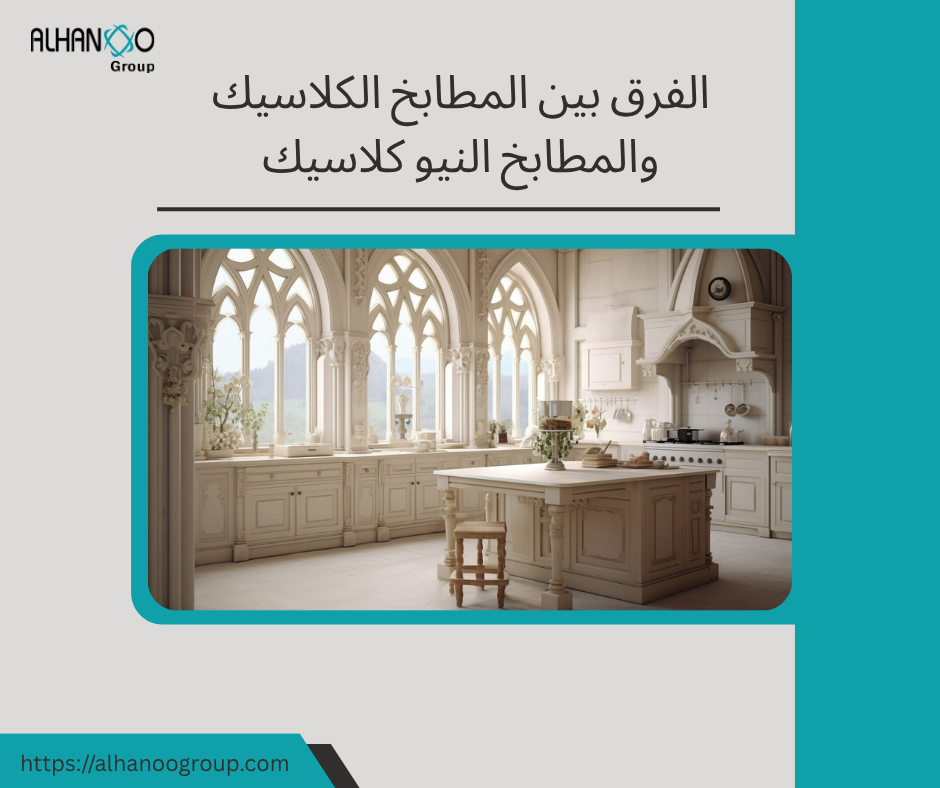
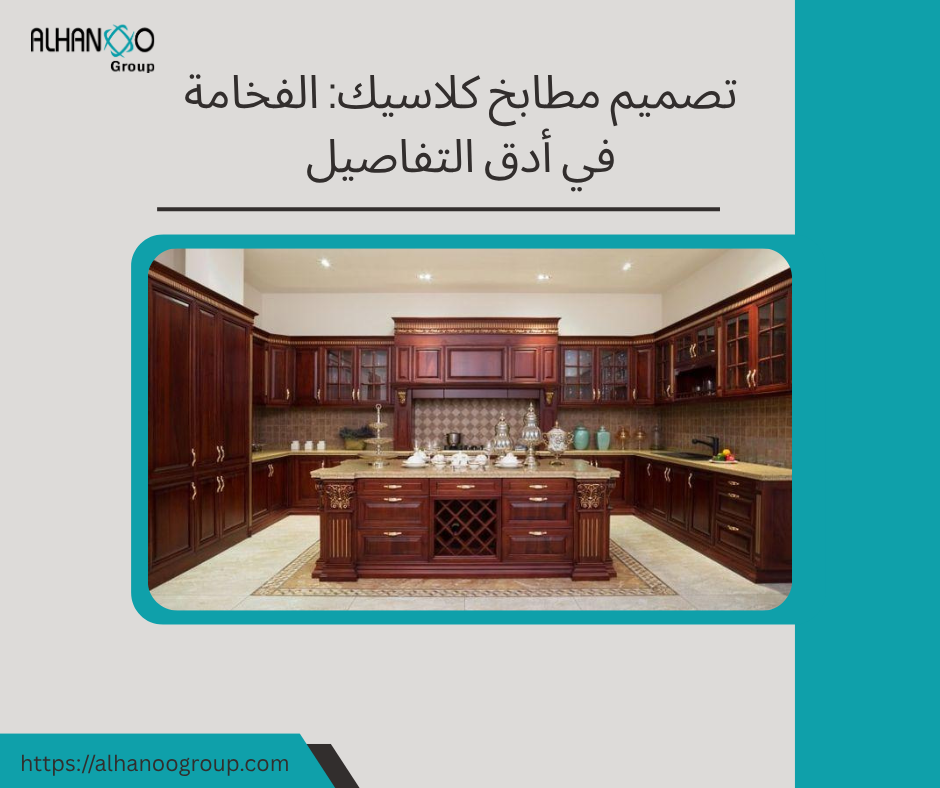
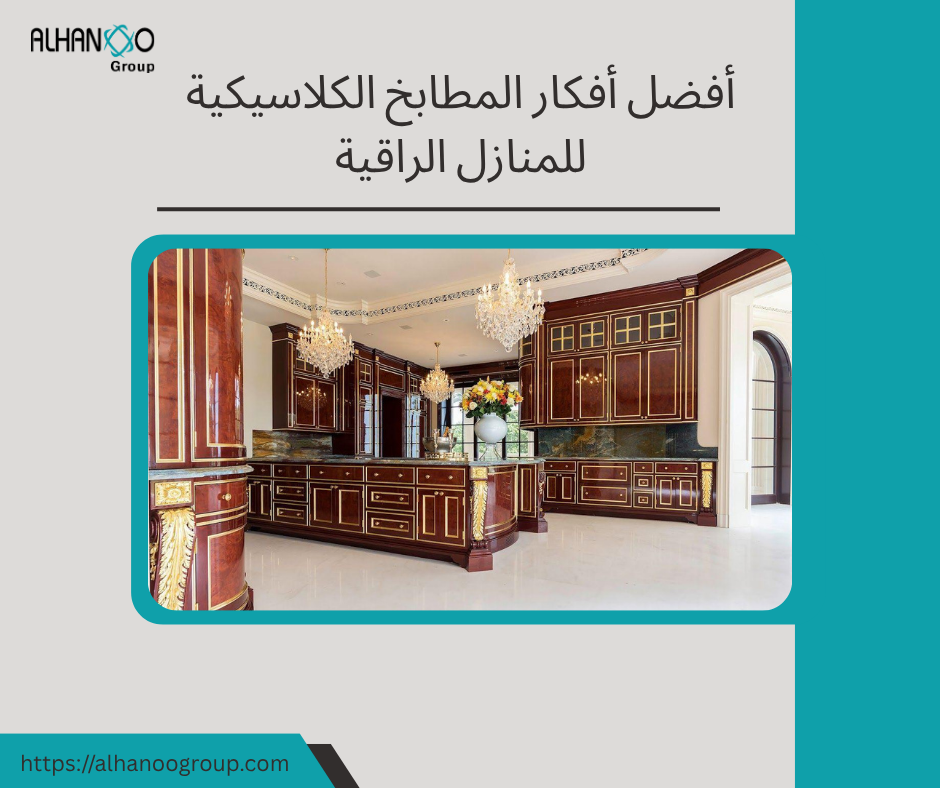
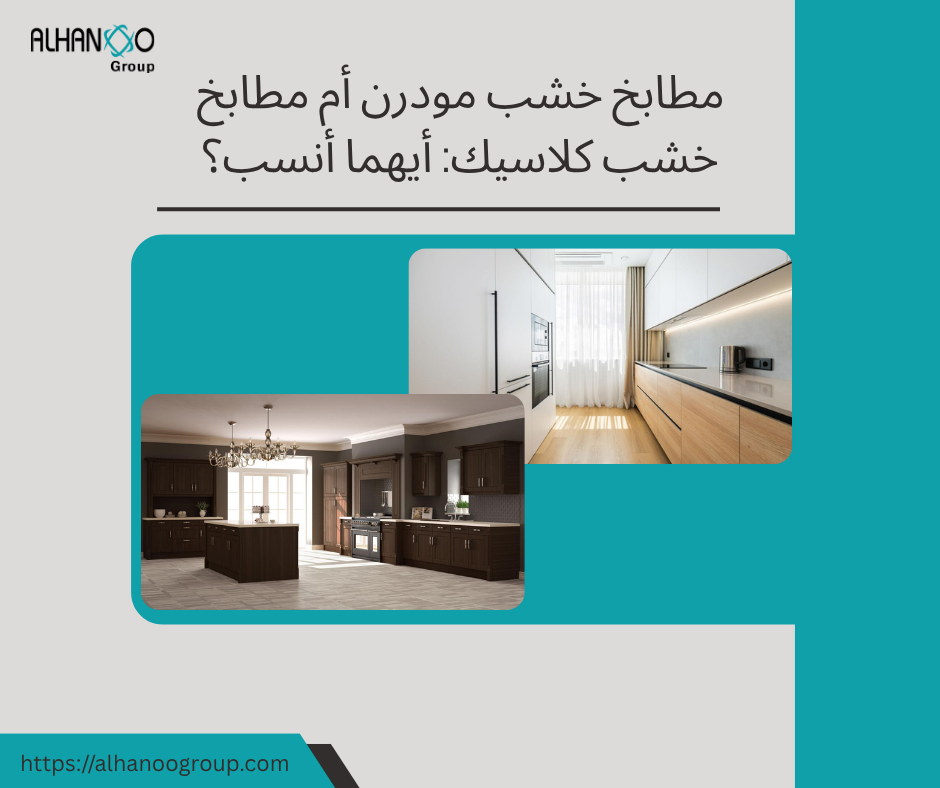
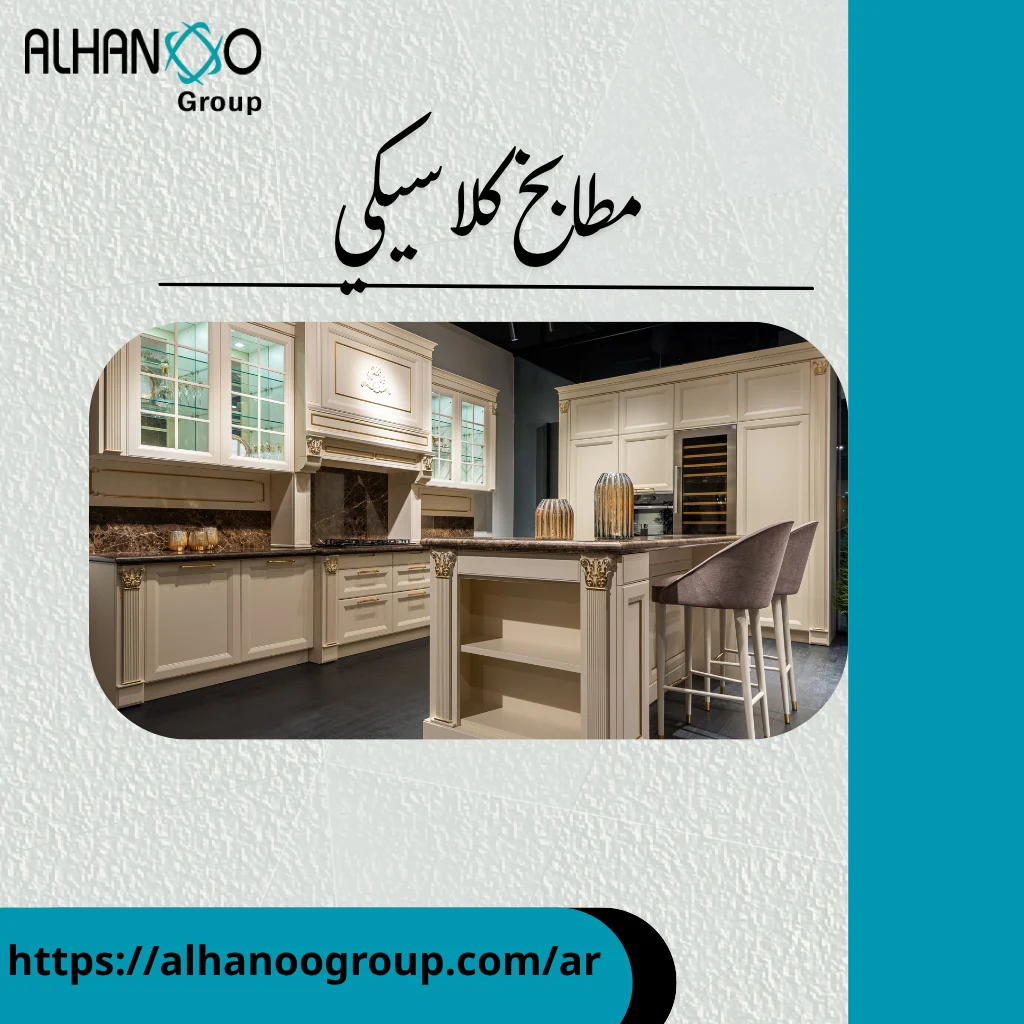
They rely on natural wood or MDF with simple or intricate carvings and engravings as desired, and they suit homes with a traditional and luxurious character.
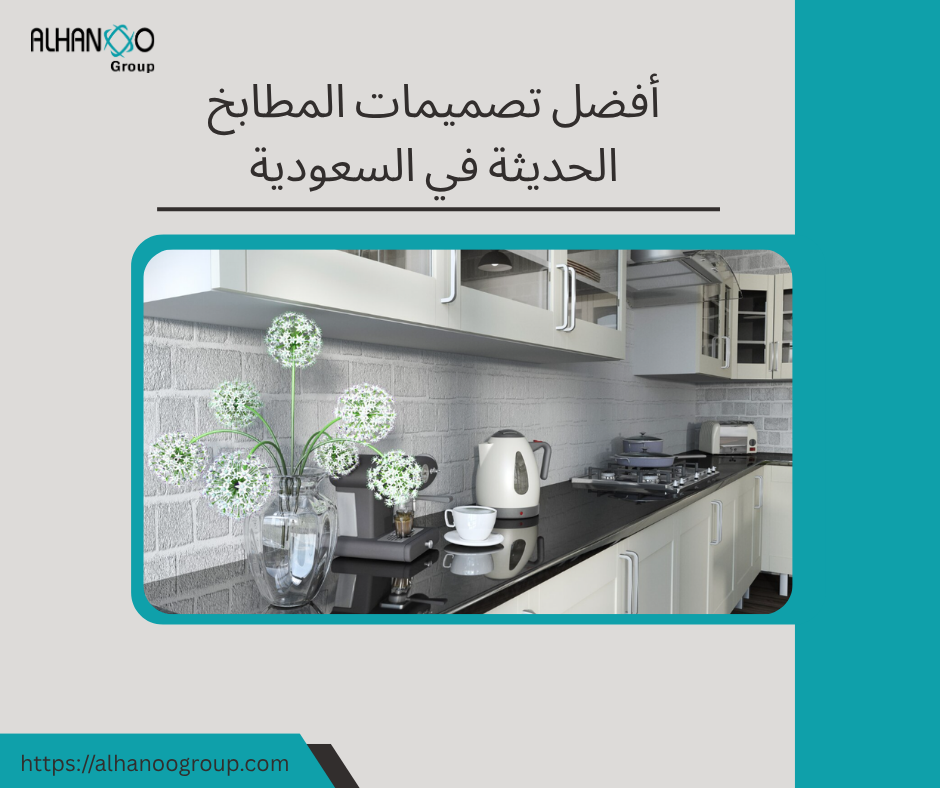
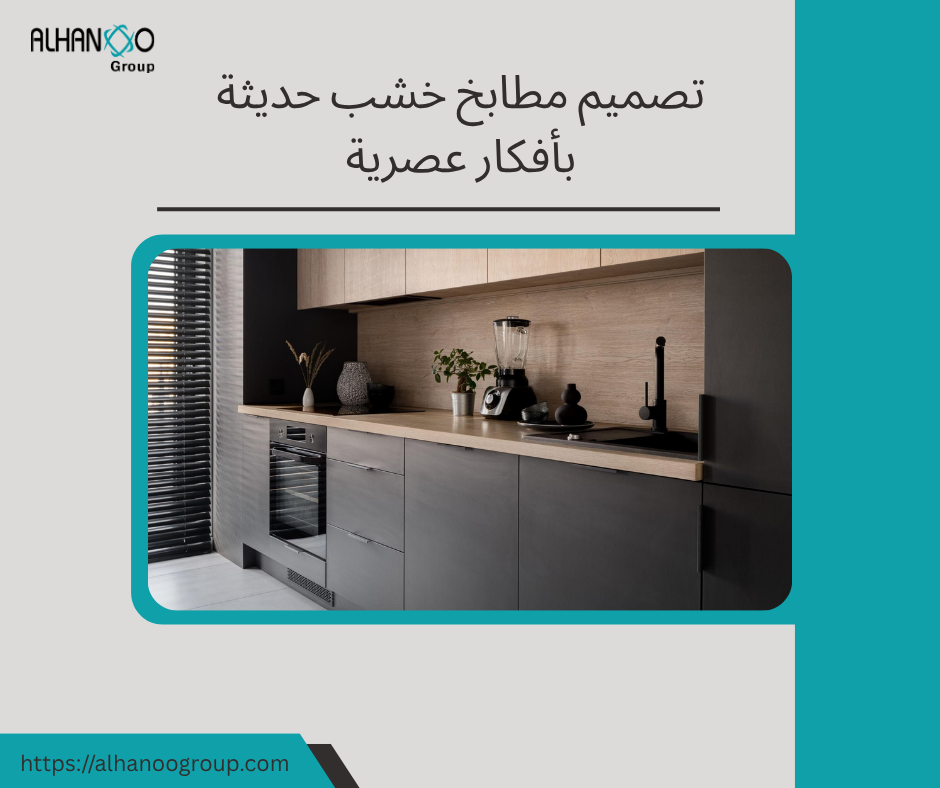
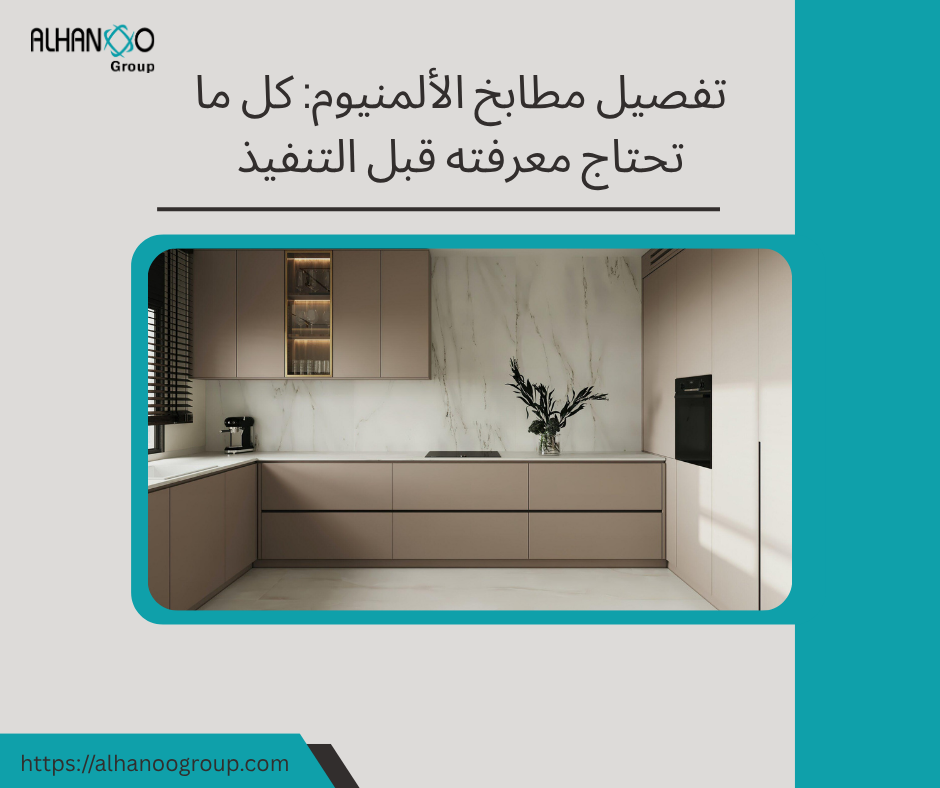
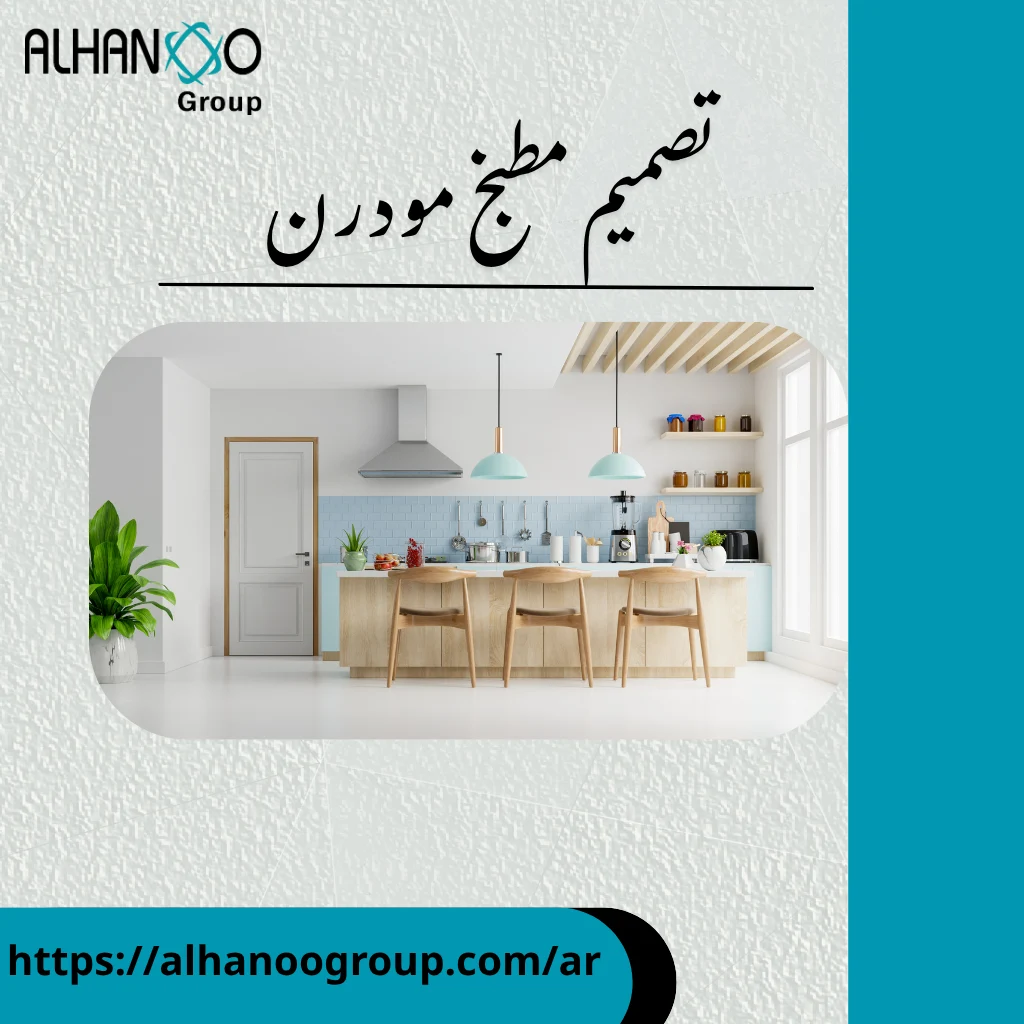
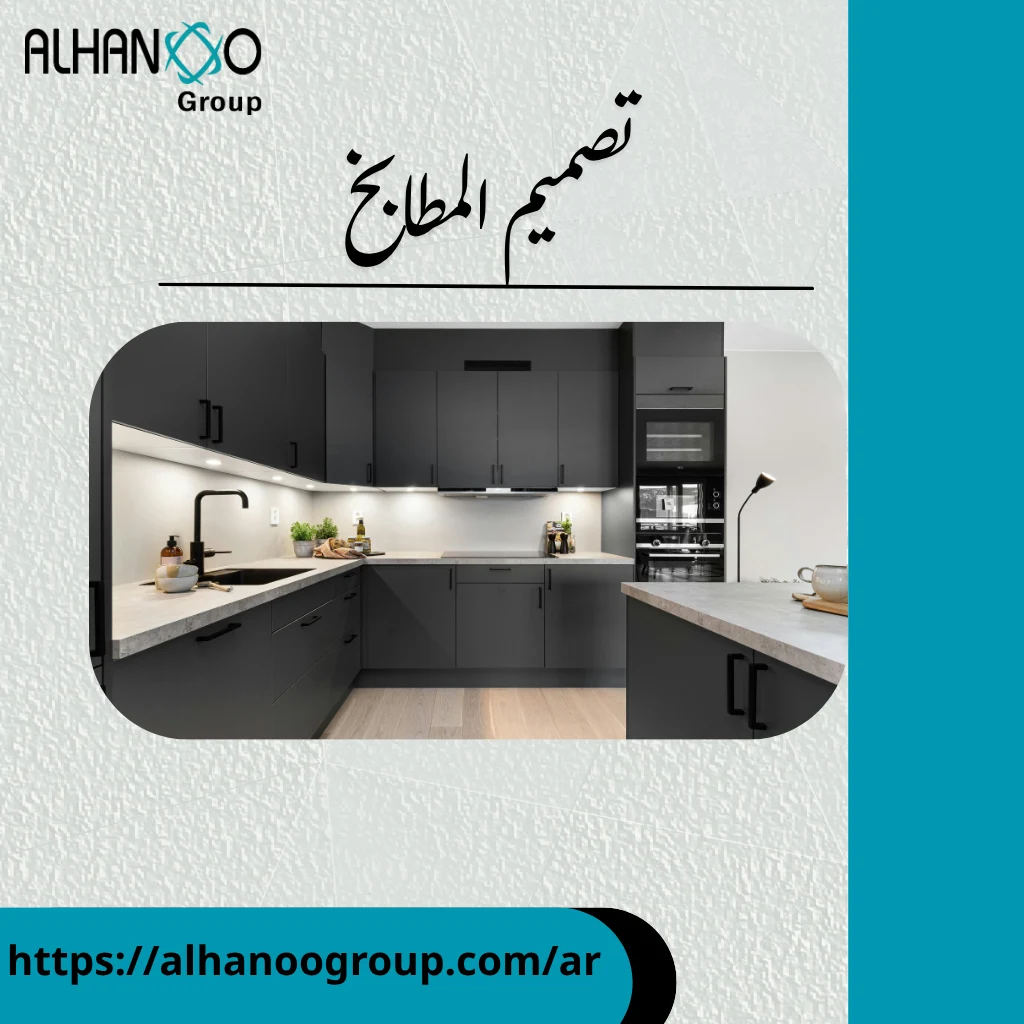
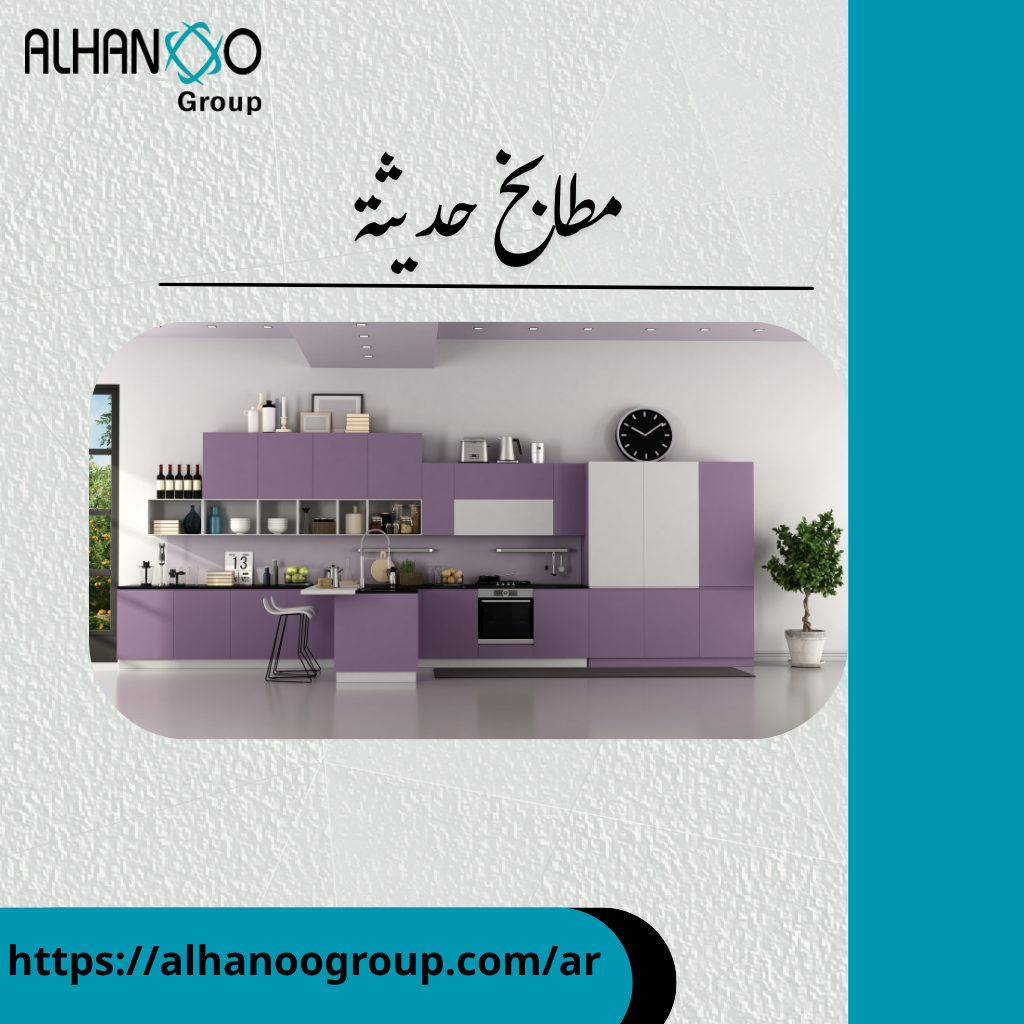
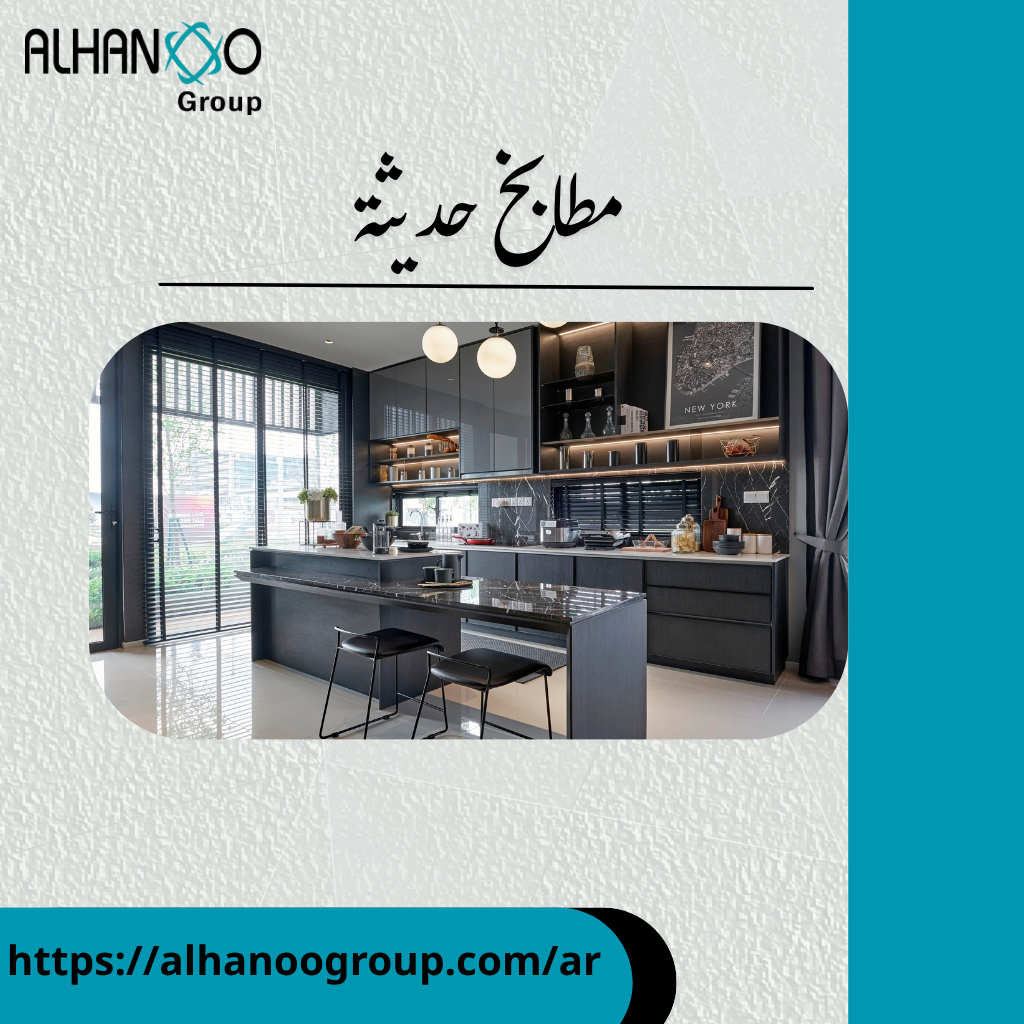
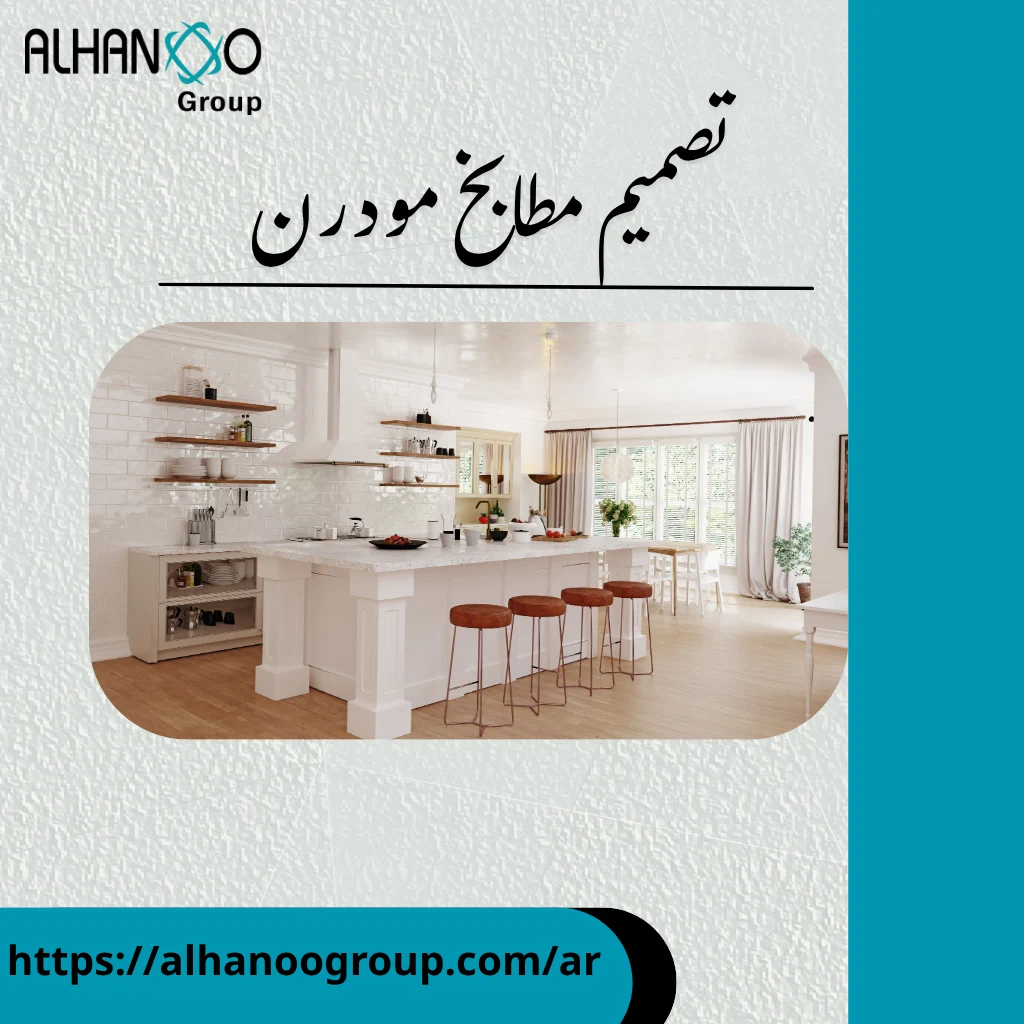
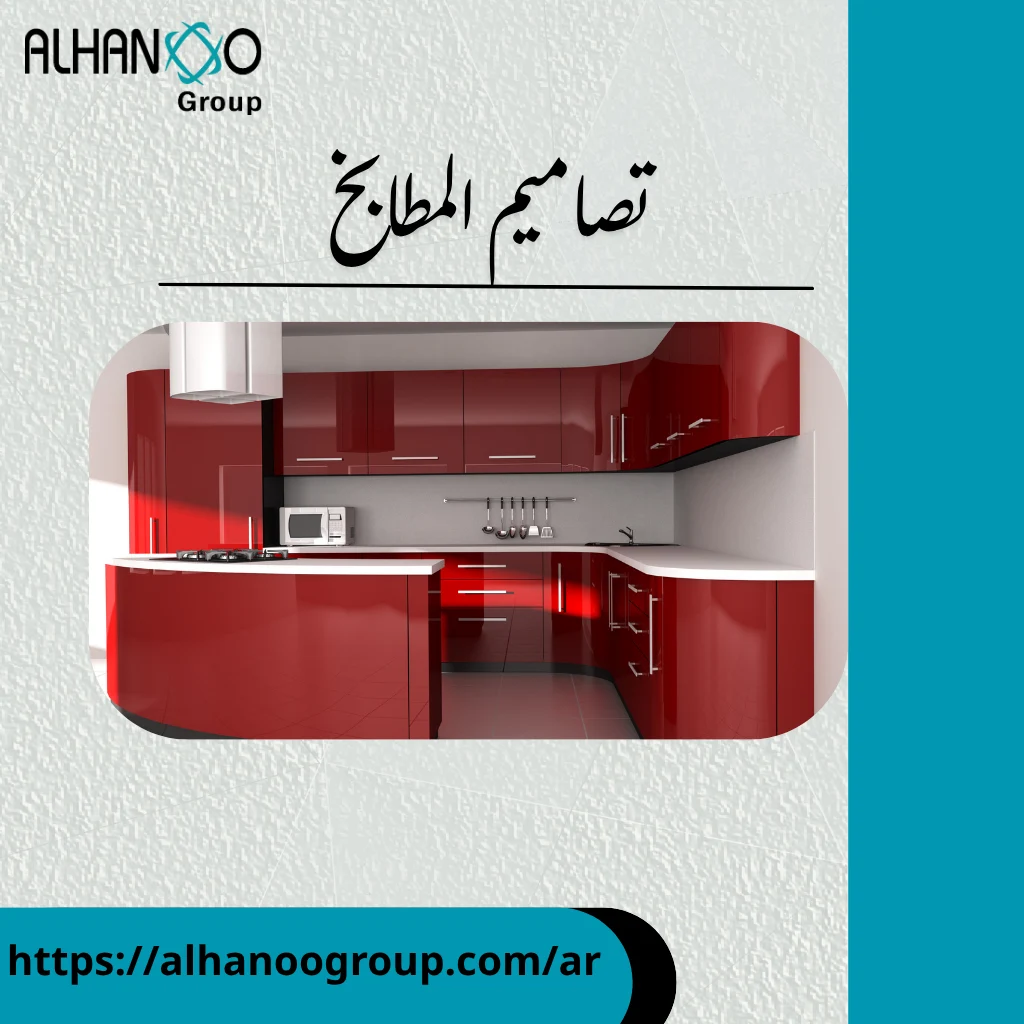
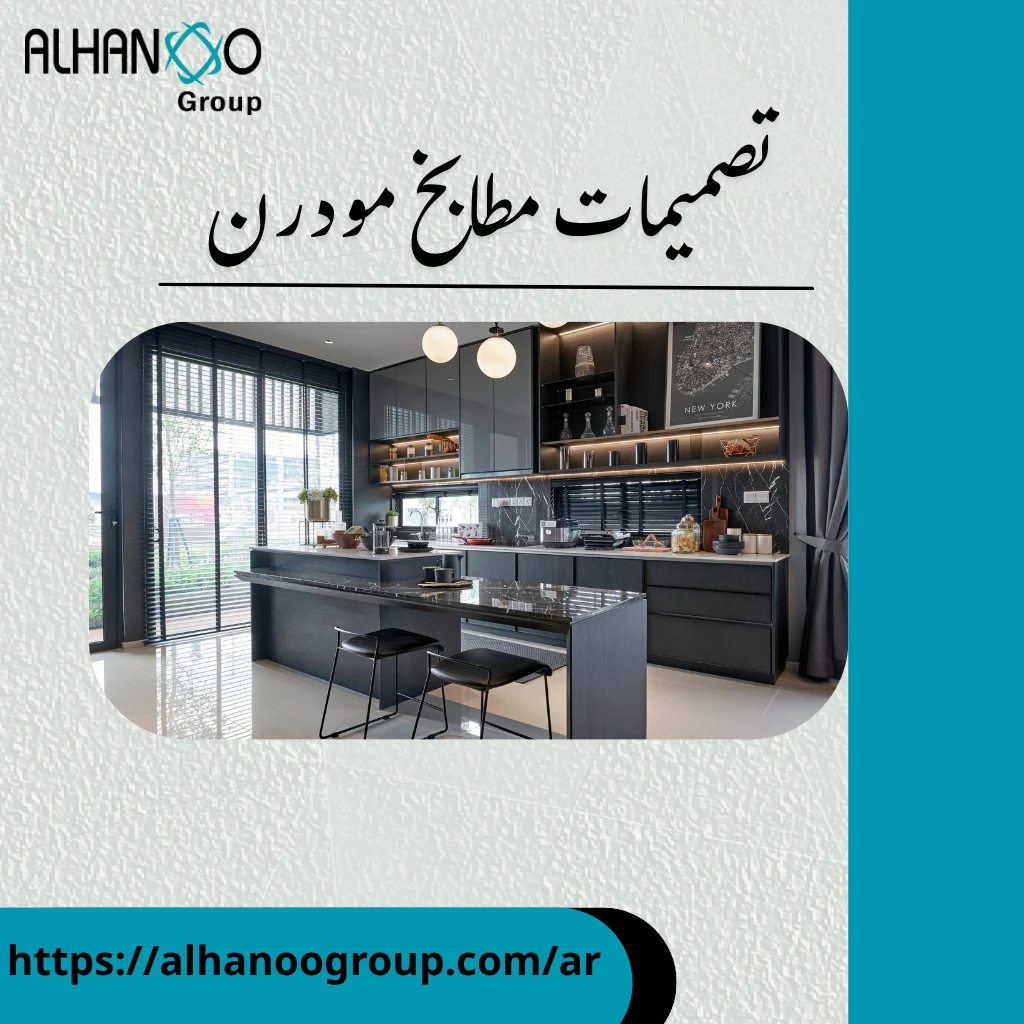
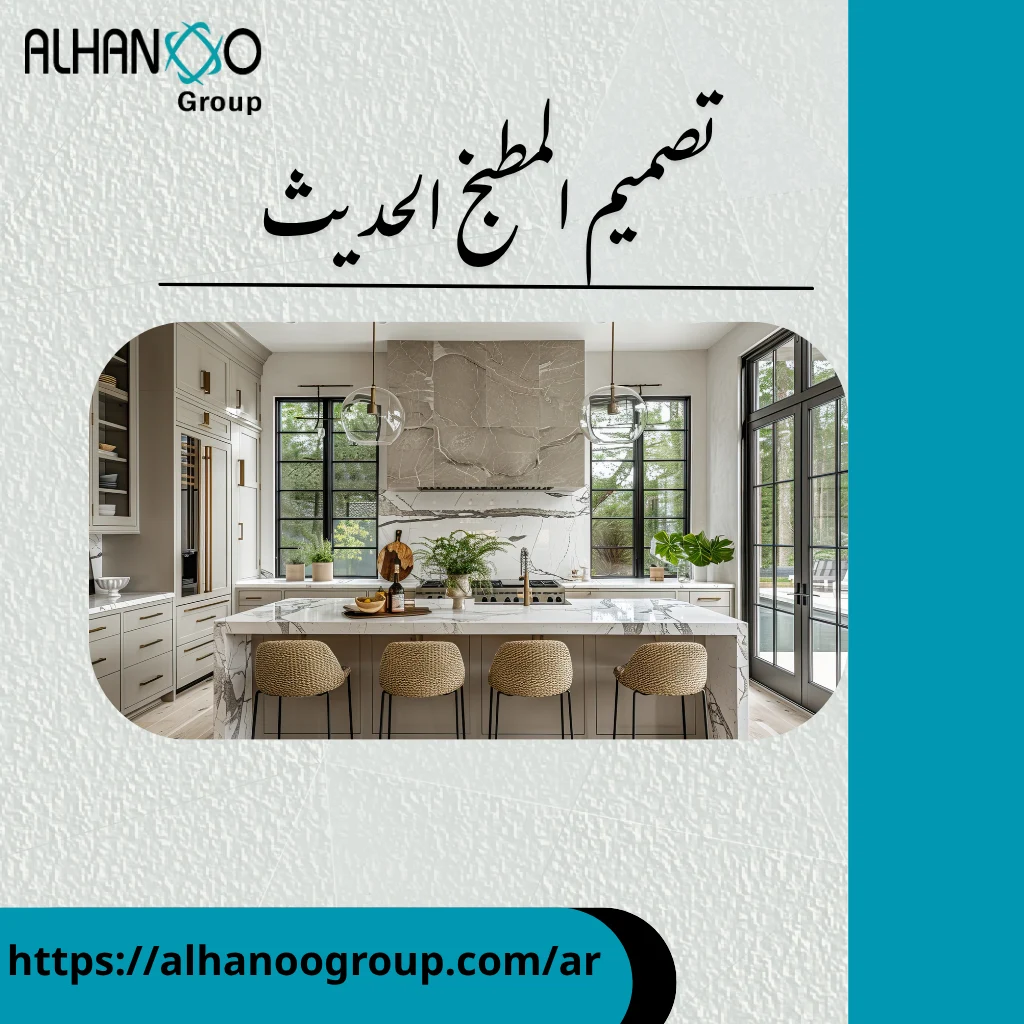
They feature clean lines, neutral colors, and modern materials such as HPL or aluminum, with a practical design and smart storage spaces.
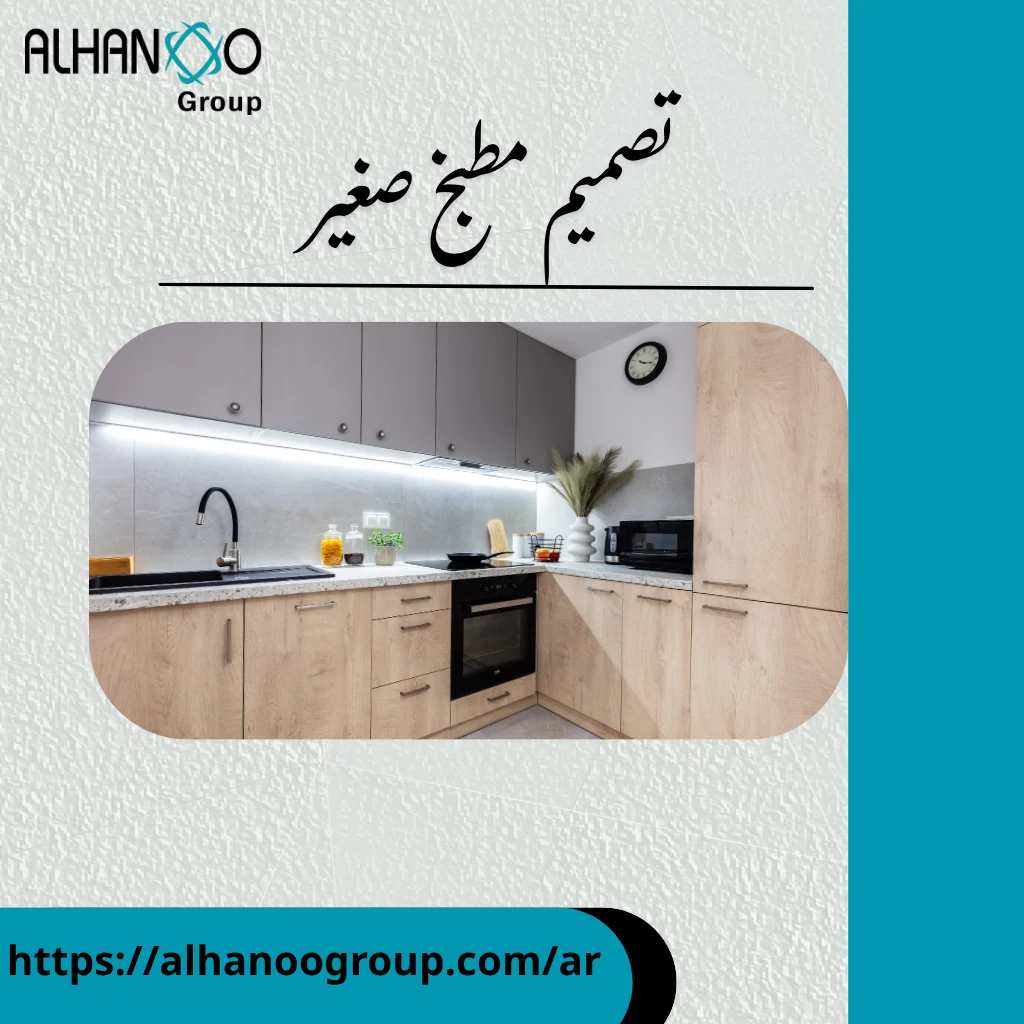
Small kitchen design requires utilizing spaces smartly, using high cabinets and built-in appliances to provide more space for movement.
A design that combines the kitchen with the living or dining room, focusing on aesthetics and organization to suit open spaces.
Planning Before Execution: Put together a detailed layout showing the locations of appliances and cabinets.
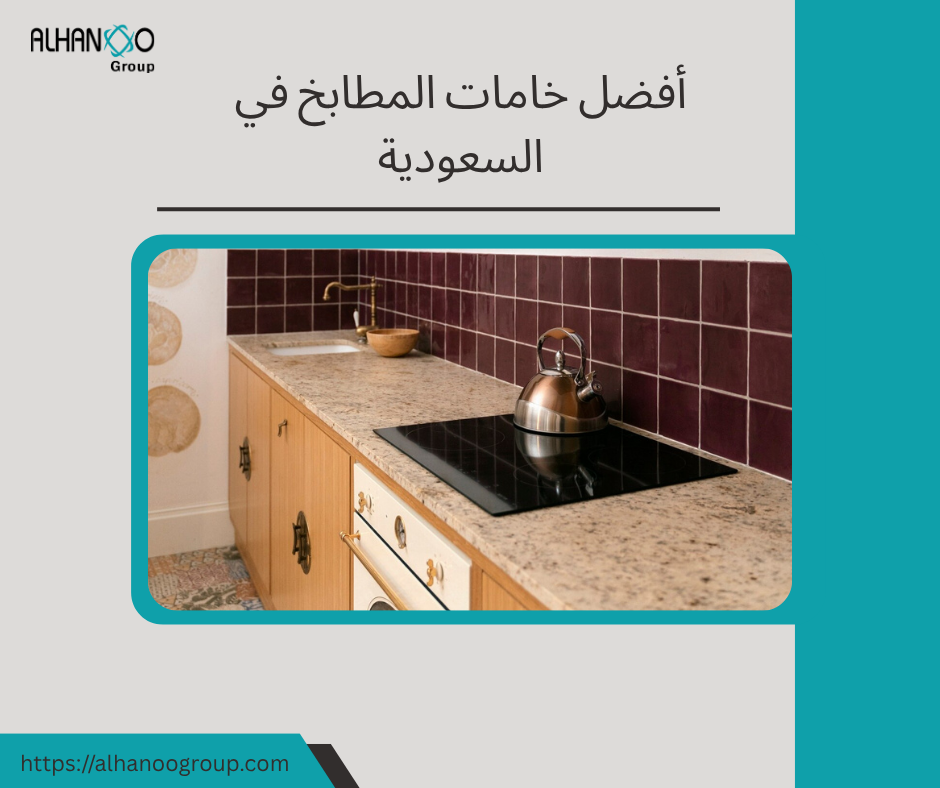
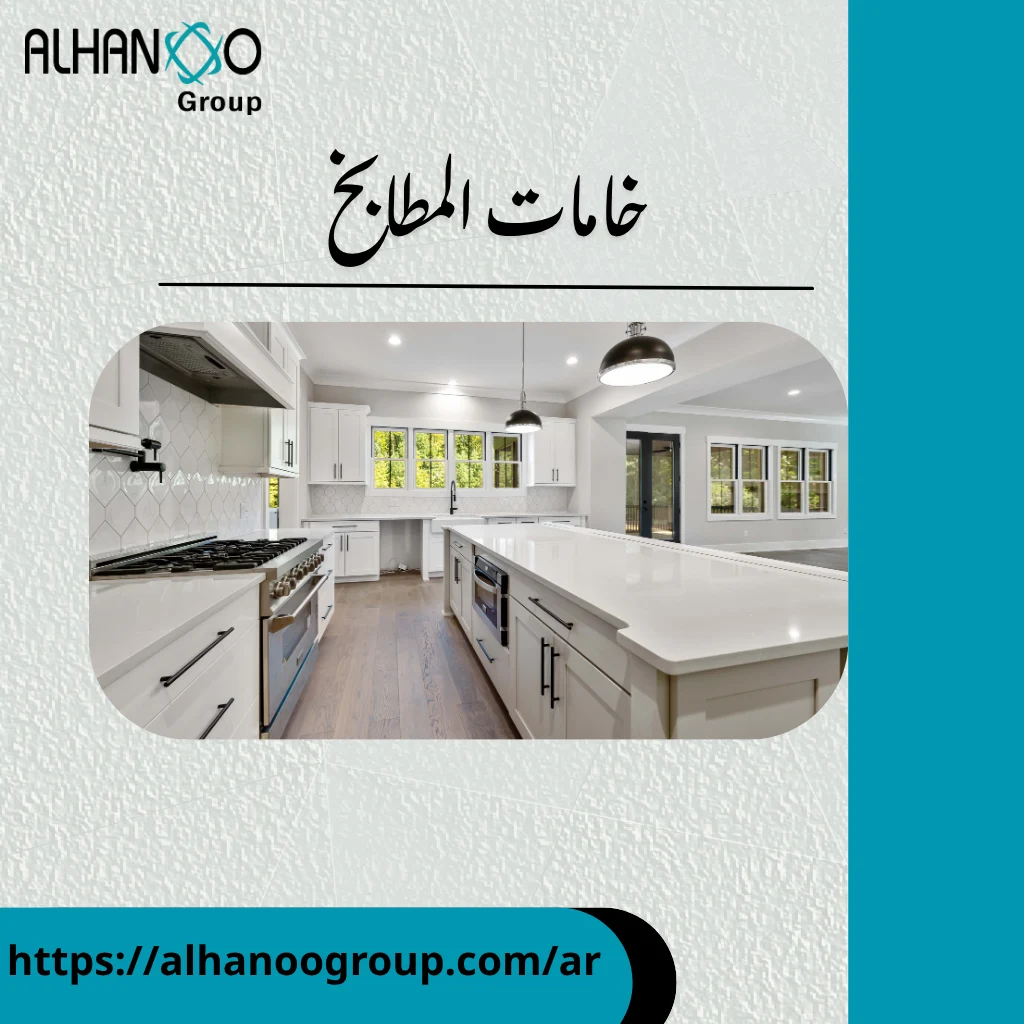
Choosing Appropriate Materials: To ensure quality, longevity, and ease of cleaning.
Balance Between Beauty and Function: The kitchen must be practical and attractive at the same time.
Considering Colors and Lighting: Choosing harmonious colors with good lighting enhances the beauty of the place.
Providing Space for Movement: Arranging the kitchen in a way that prevents crowding and facilitates access to all tools.
Kitchen design is an integrated process that requires careful planning, choosing the right materials, and organizing spaces in a practical and aesthetic way. Whether you are looking for a classic wooden kitchen, a modern kitchen, or a smart small kitchen, good design will guarantee you a practical, elegant, and comfortable kitchen for daily use.
Kitchen design is an essential step to obtaining a practical and beautiful kitchen. Knowing the frequently asked questions about kitchen design helps in making correct decisions regarding space, storage, materials, and the appropriate style for the home.
What is the importance of designing the kitchen before executing it?
It ensures maximum utilization of the available space.
It facilitates organizing kitchen tools in a practical way.
It accurately defines the locations of appliances and cabinets.
It gives you a clear visualization of the final look before starting the execution.
What types of kitchen layouts are available?
Linear Kitchen: Suitable for small spaces.
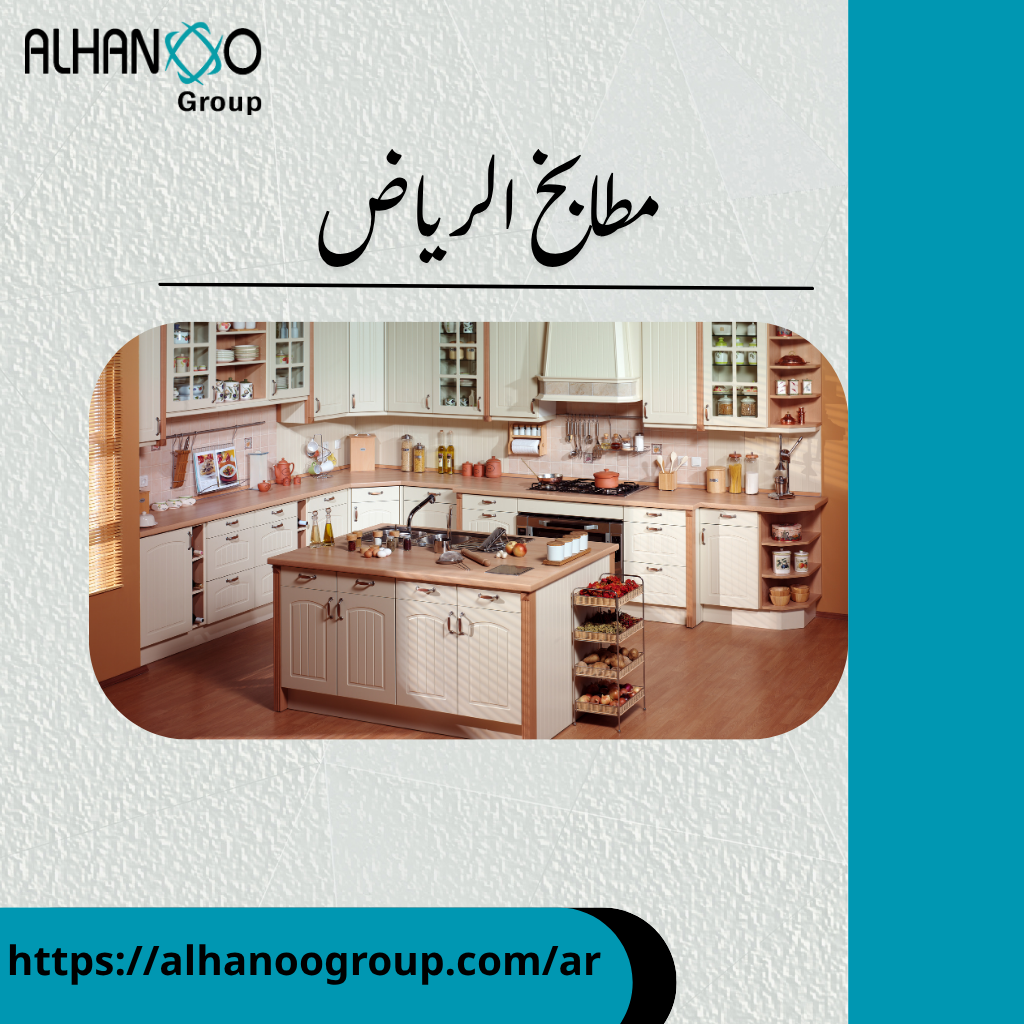
L-Shaped Kitchen: Provides greater movement space and practical work corners.
U-Shaped Kitchen: Ideal for large kitchens and allows easy access to every corner.
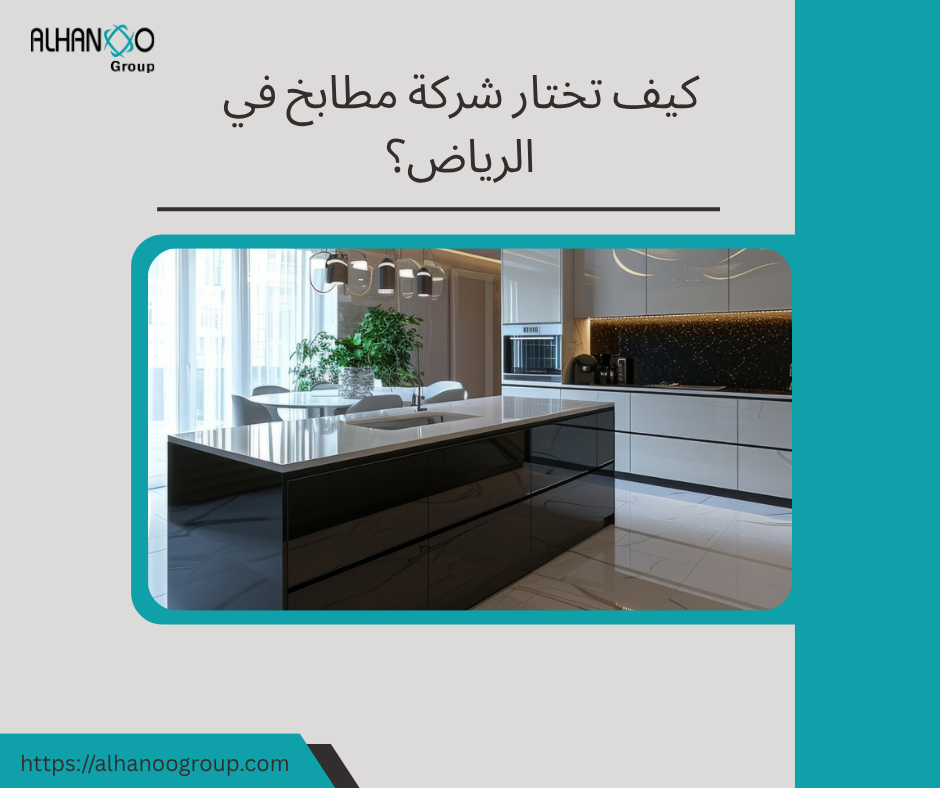
Island Kitchen: Adds extra space for work and storage, suitable for wide areas.
What are the basic steps for designing a kitchen?
Measuring the actual space accurately.
Defining the appliances and equipment to be placed.
Choosing kitchen materials (wood, HPL, aluminum, MDF).
Determining the number and location of cabinets and drawers.
Choosing colors and a design that matches the home decor.
Creating a 3D layout to confirm the final look.
How do I choose a suitable material for the kitchen design?
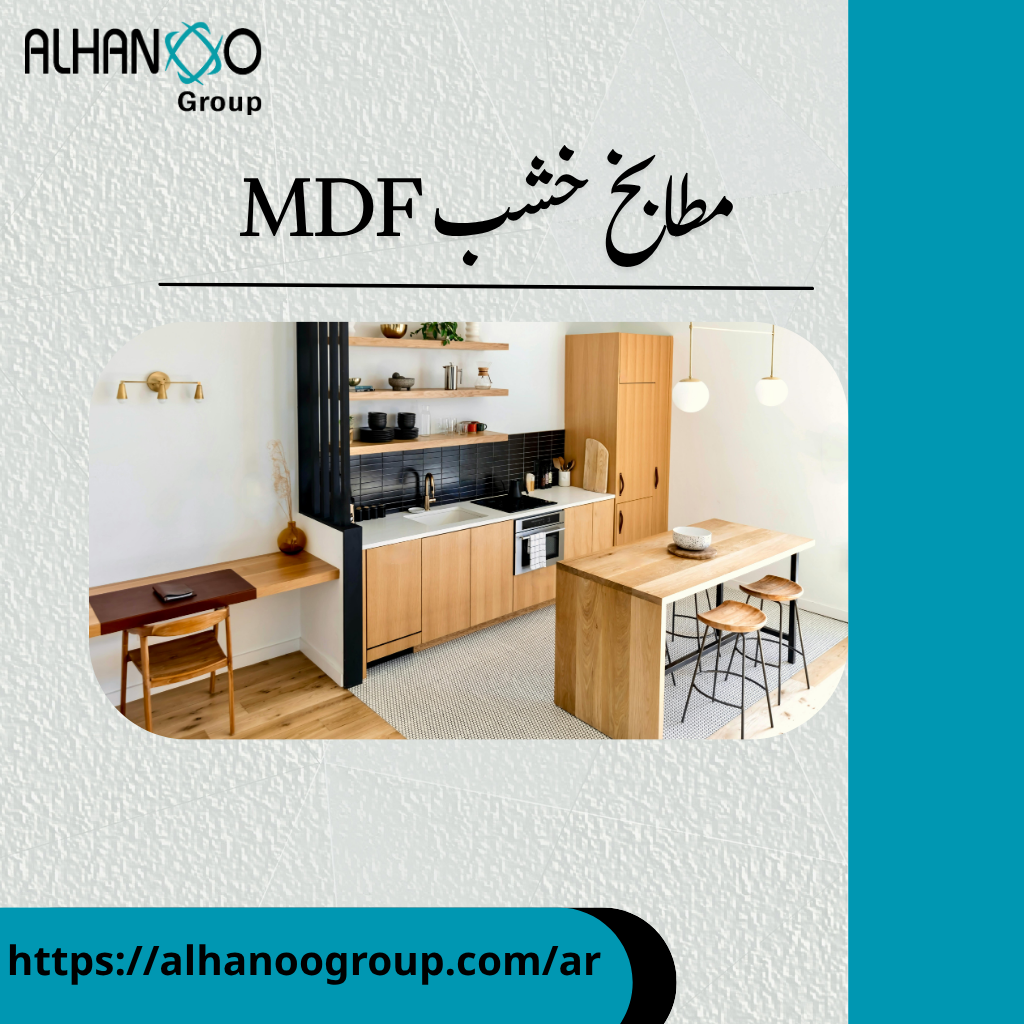
For wet spaces: It is preferred to use moisture-resistant HPL or MDF.
For drawers and facades: Natural wood or high-quality HPL.
For modern kitchens: Aluminum and glass are an excellent choice for a contemporary look.
Can a kitchen be designed according to a small space? Yes, by using:
Upper cabinets to exploit vertical space.
Designing clean lines to provide movement space.
Organizing drawers and shelves in a smart way.
Does kitchen design provide smart storage solutions? Yes, a good design includes:
Pull-out drawers.
Smart corner shelves.
Hidden cabinets for storing appliances and tools.
What is the cost of kitchen design? The cost depends on:
The type of material used.
The size of the kitchen and number of cabinets.
The complexity of the design.
Finishes and accessories.
It is usually best to obtain more than one price quotation to compare options.
Can the design be modified after execution? Modification is possible, but it is preferred to be done before manufacturing the cabinets and drawers. Changes after execution can be costly, so accurate design before execution is essential.
What are the basic tips when designing a kitchen?
Choosing a design that suits the kitchen space.
Blending colors with the general home decor.
Using high-quality materials to ensure durability and longevity.
Planning the location of electrical appliances carefully.
Employing professional designers to obtain a practical and aesthetic design.