The Best Types of Wood for Kitchens and How to Choose the Right One
8-4-2025
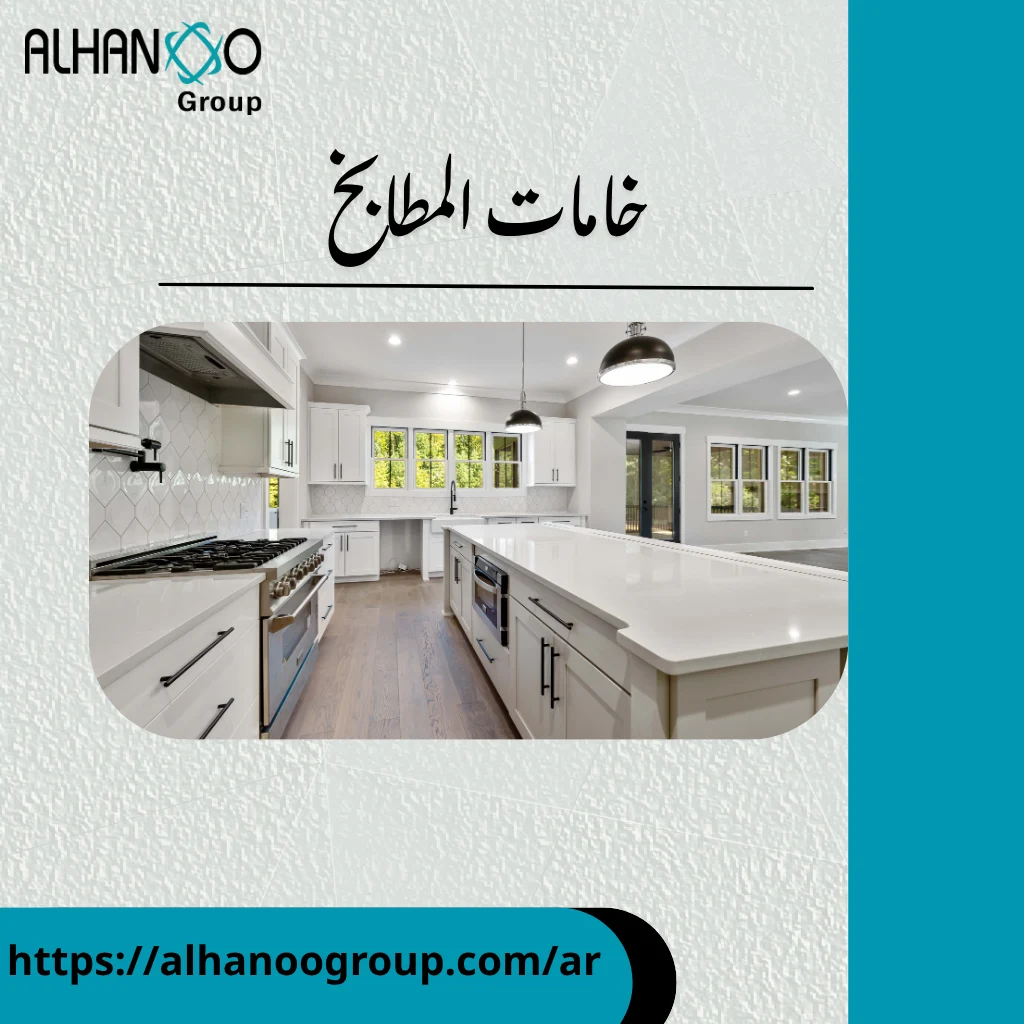
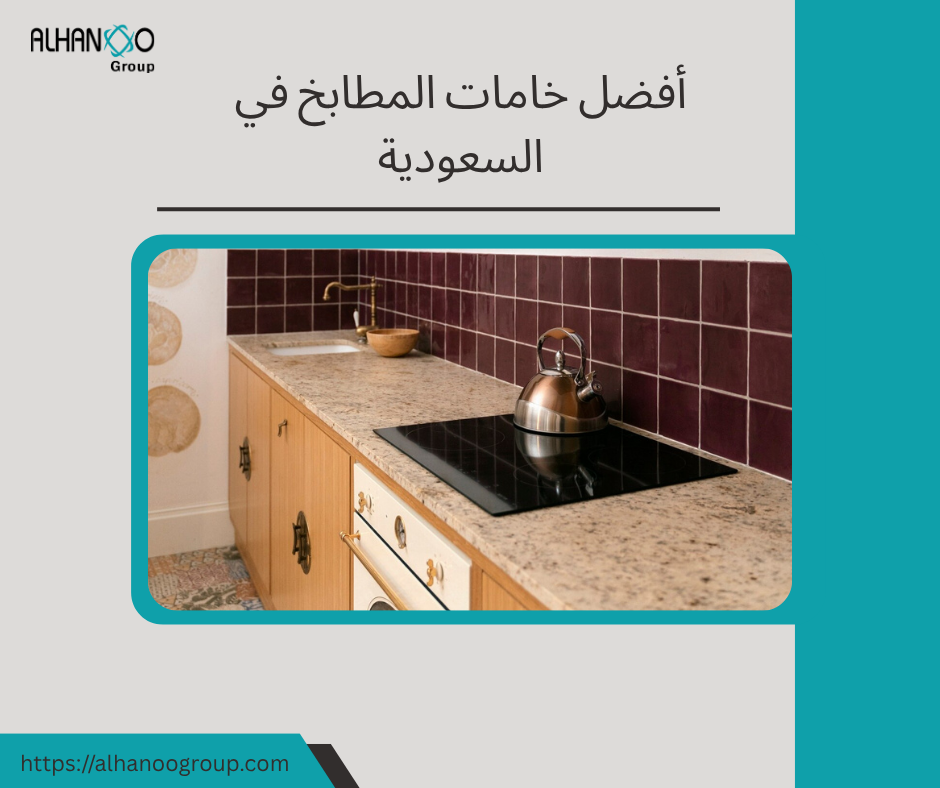
Choosing the right kitchen materials is one of the most important steps in kitchen design, as it determines the final appearance, durability, and ease of maintenance of your kitchen. Materials vary between wood, aluminum, MDF, HPL, and others, and each type has its advantages and disadvantages. In this article, we will review the most prominent kitchen materials to facilitate the appropriate choice for every design and budget.
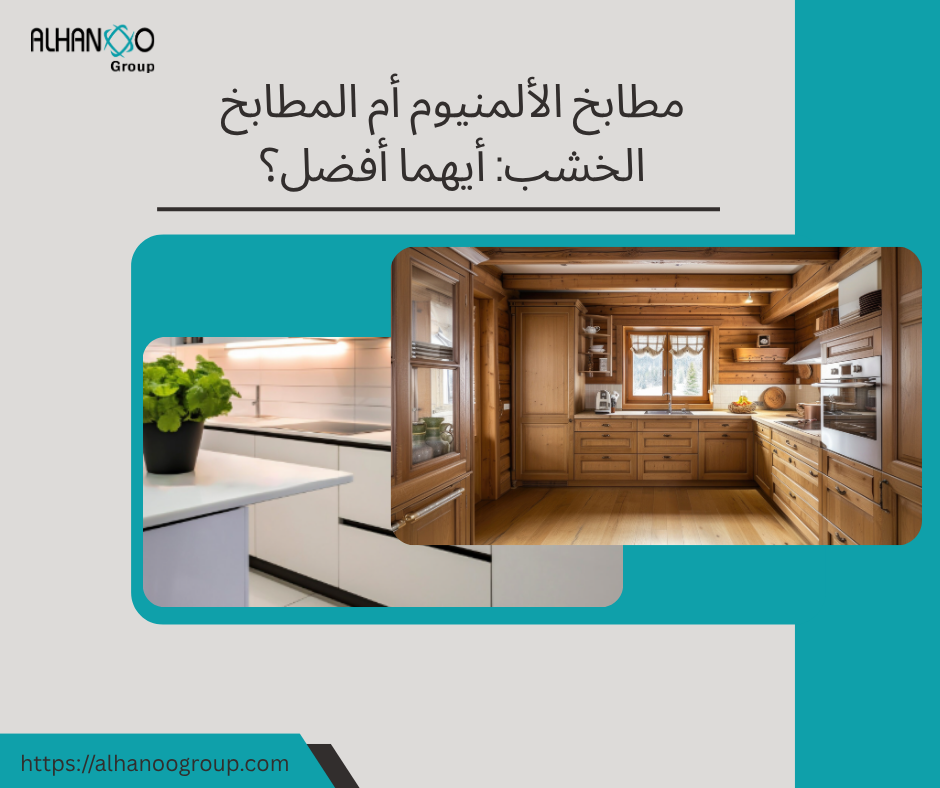
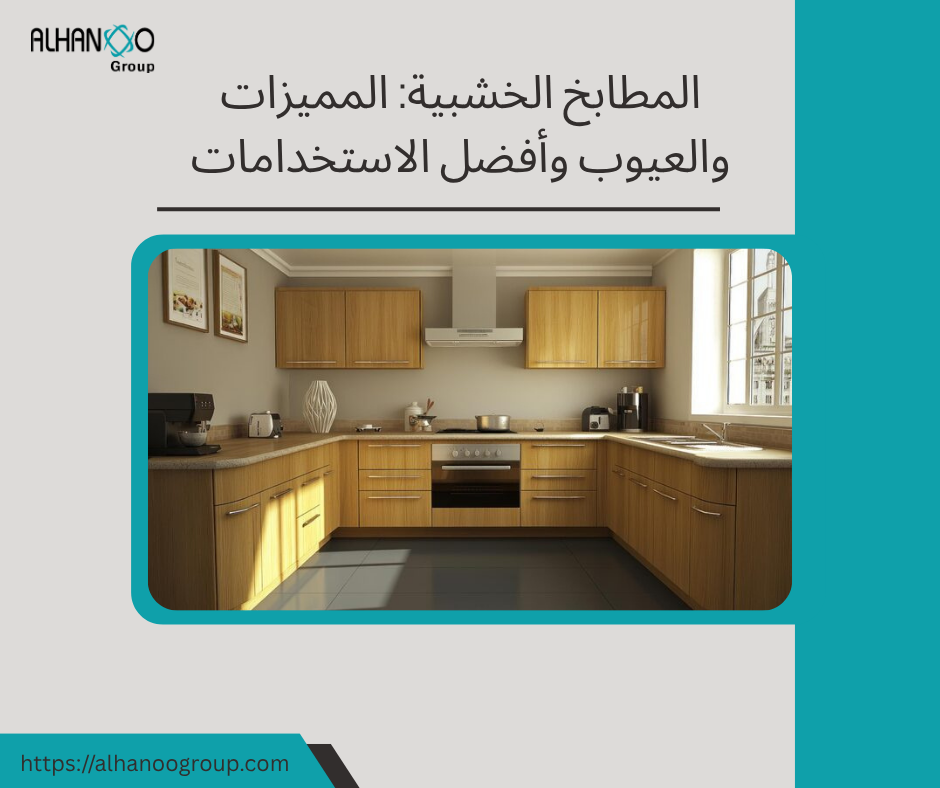
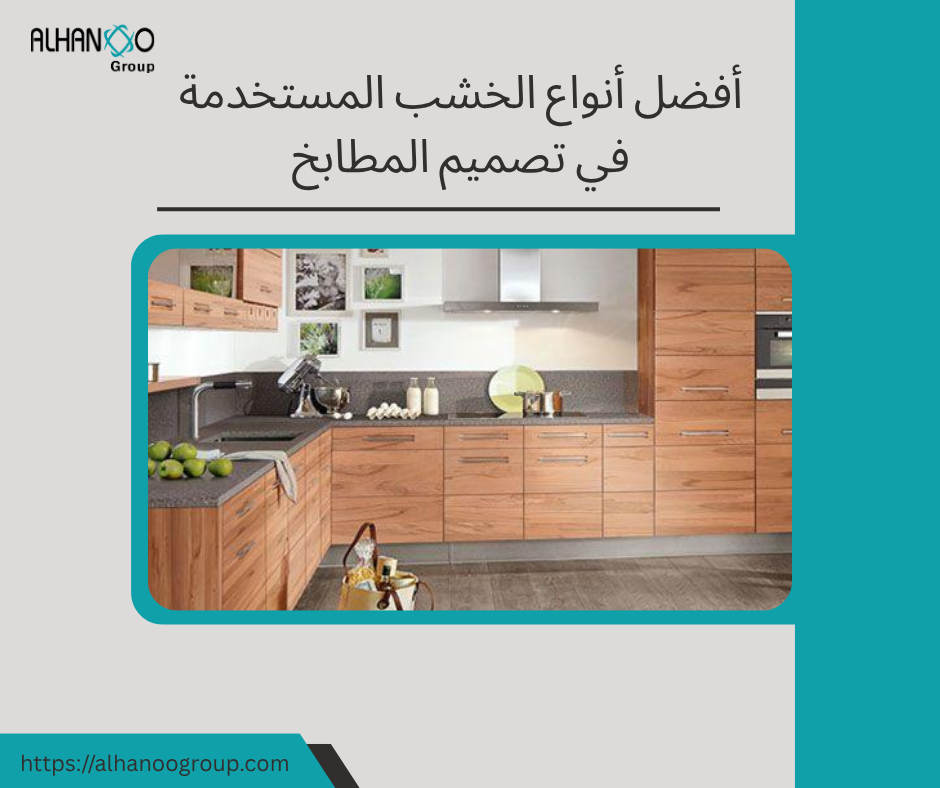
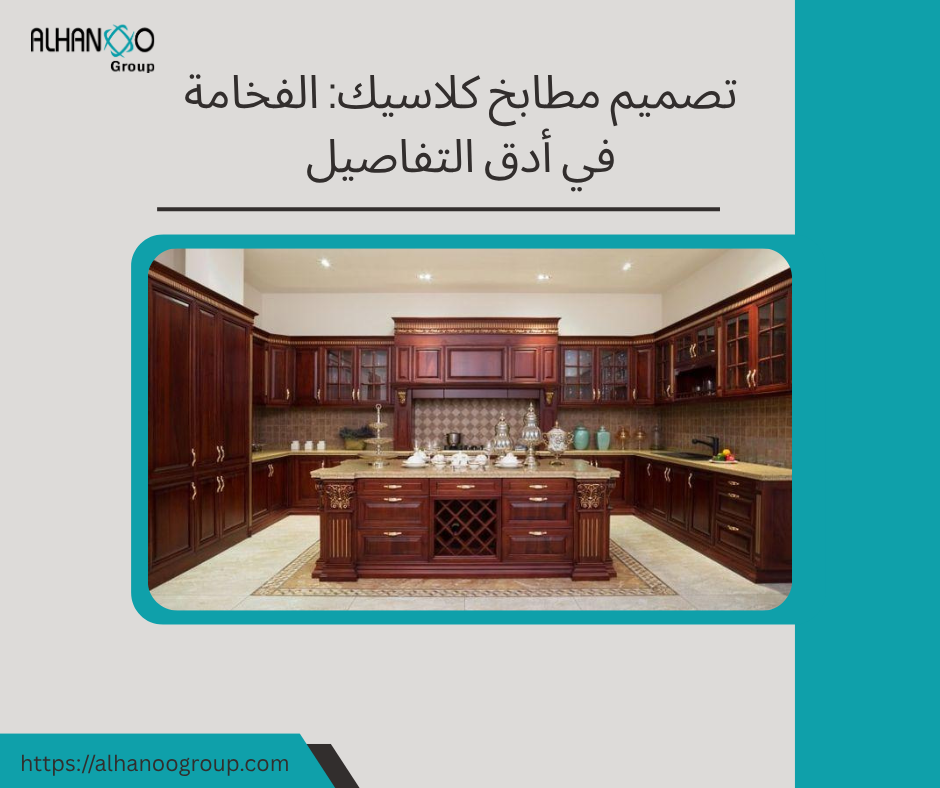
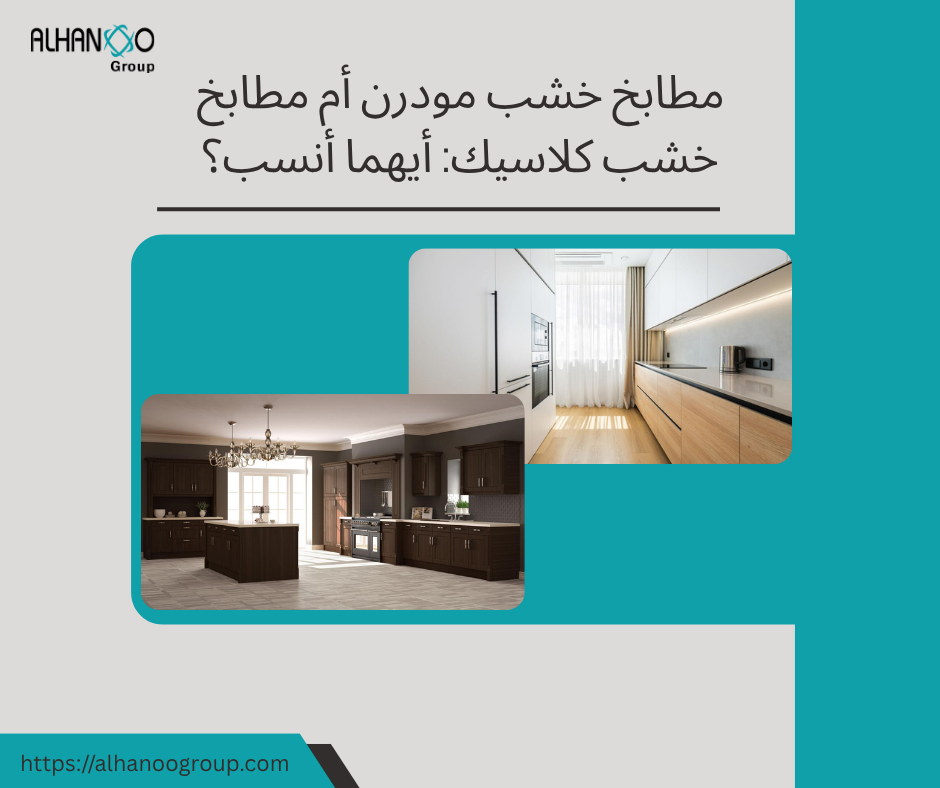
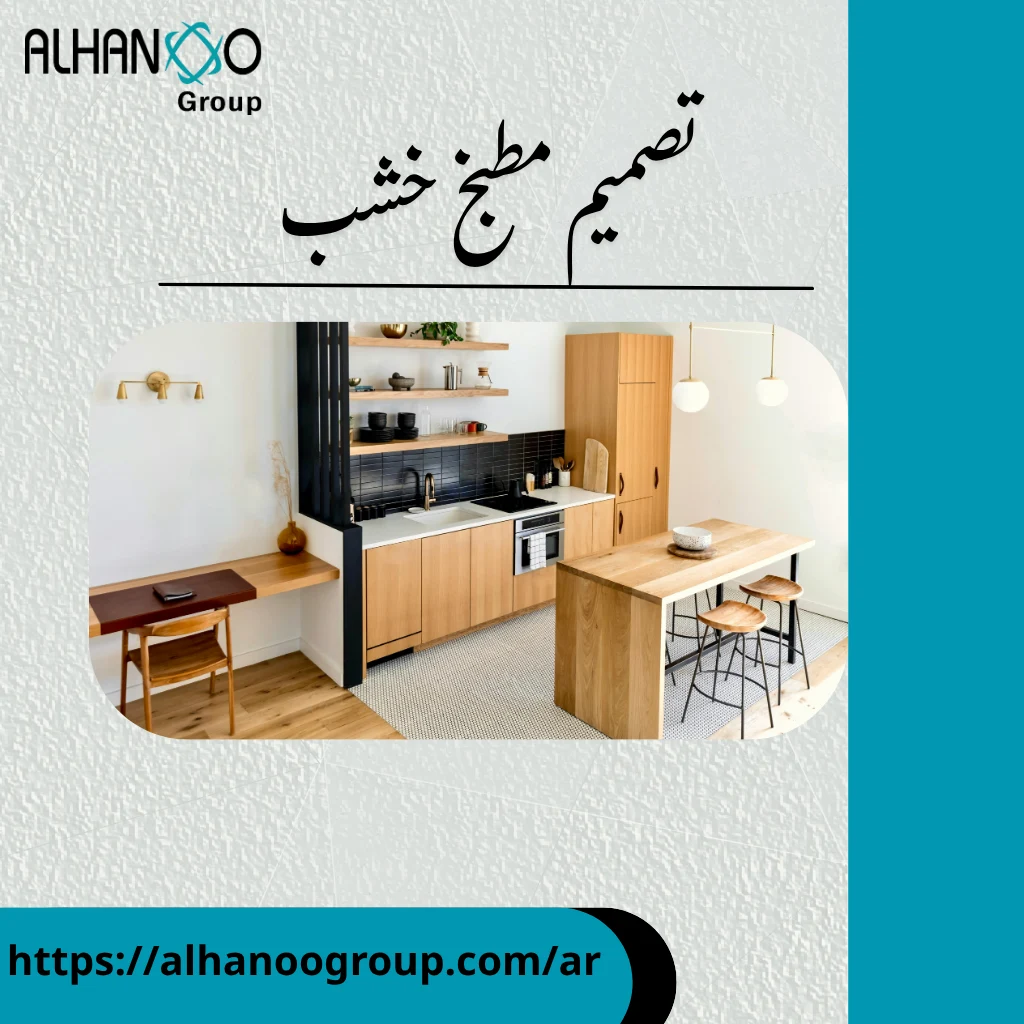
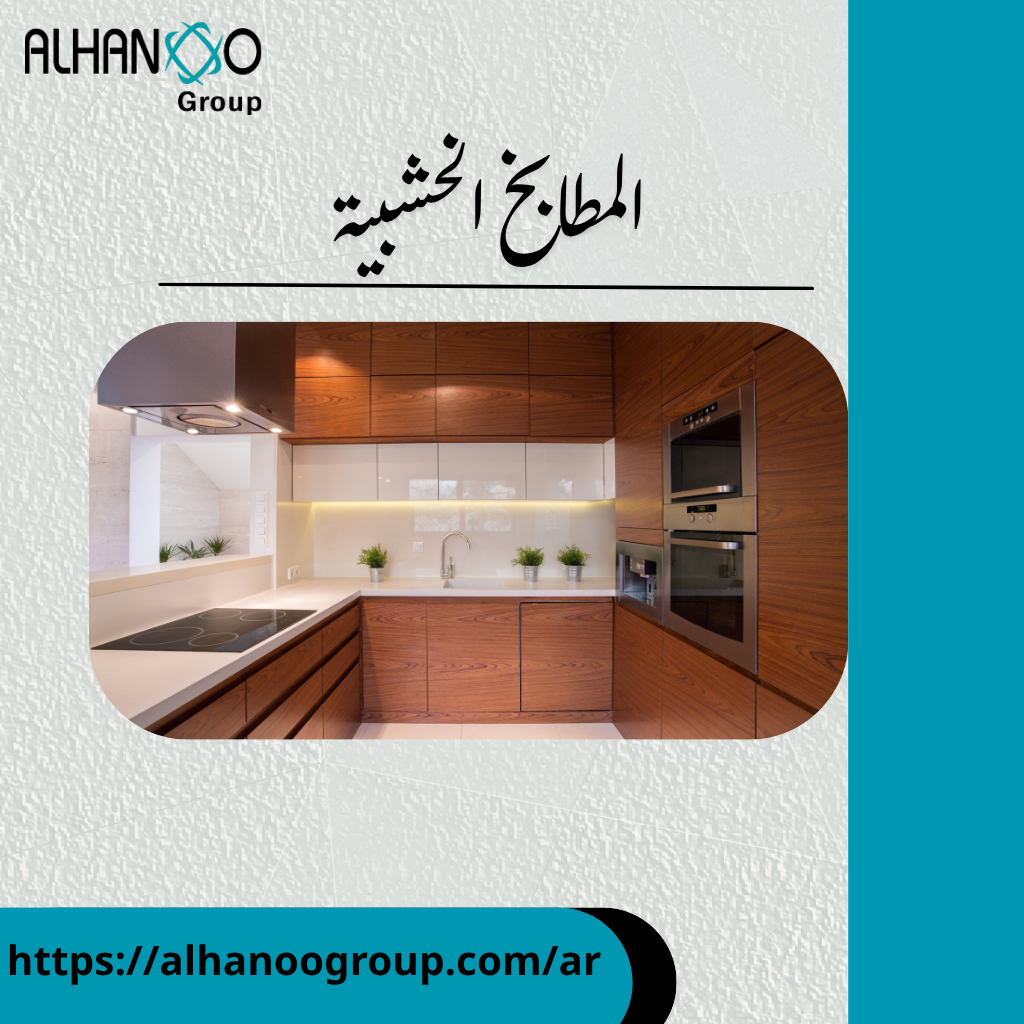
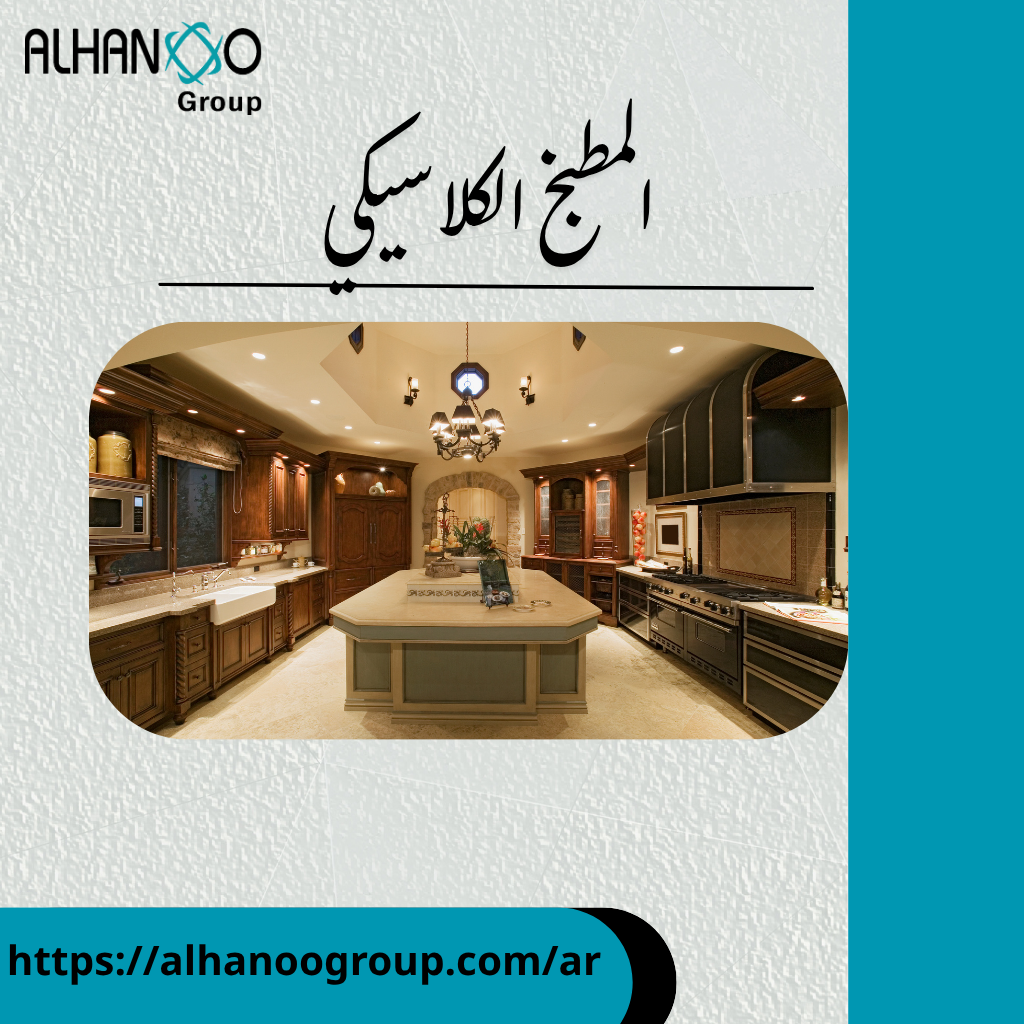
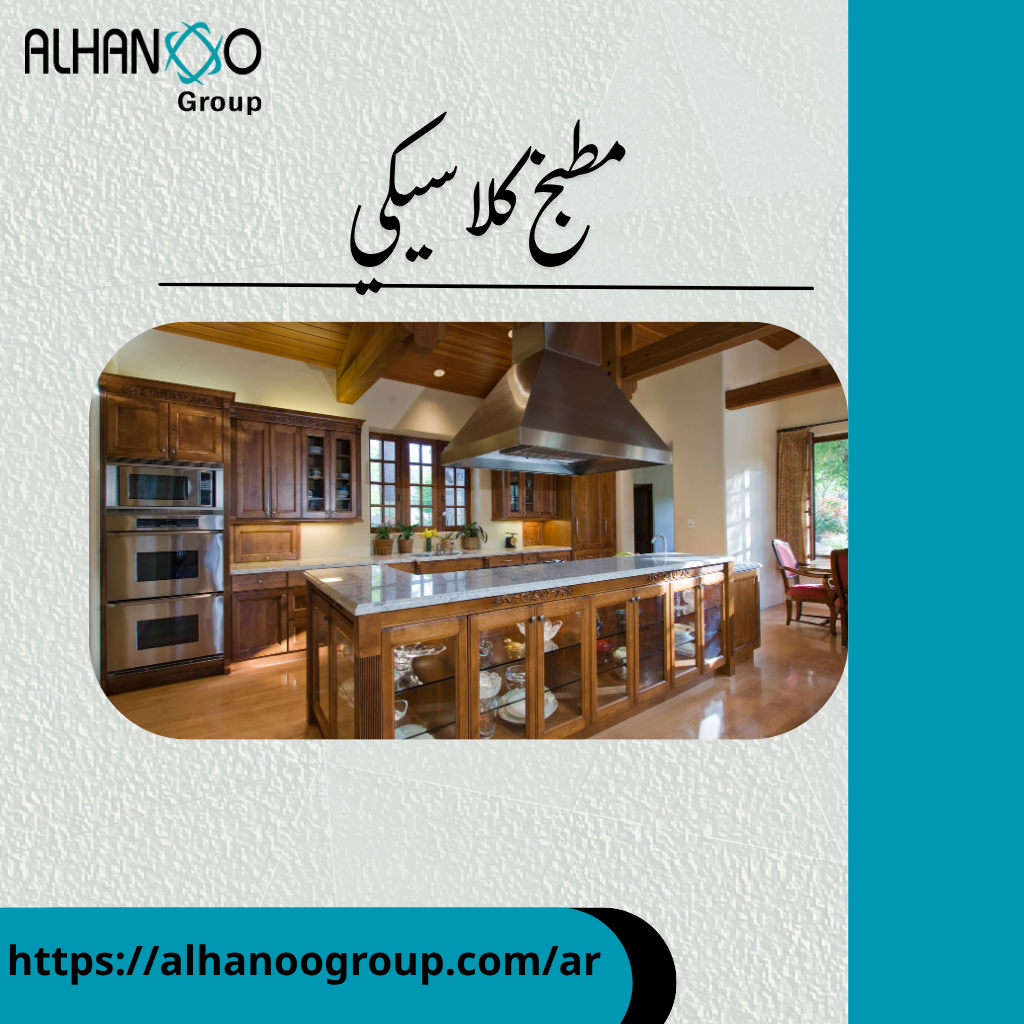
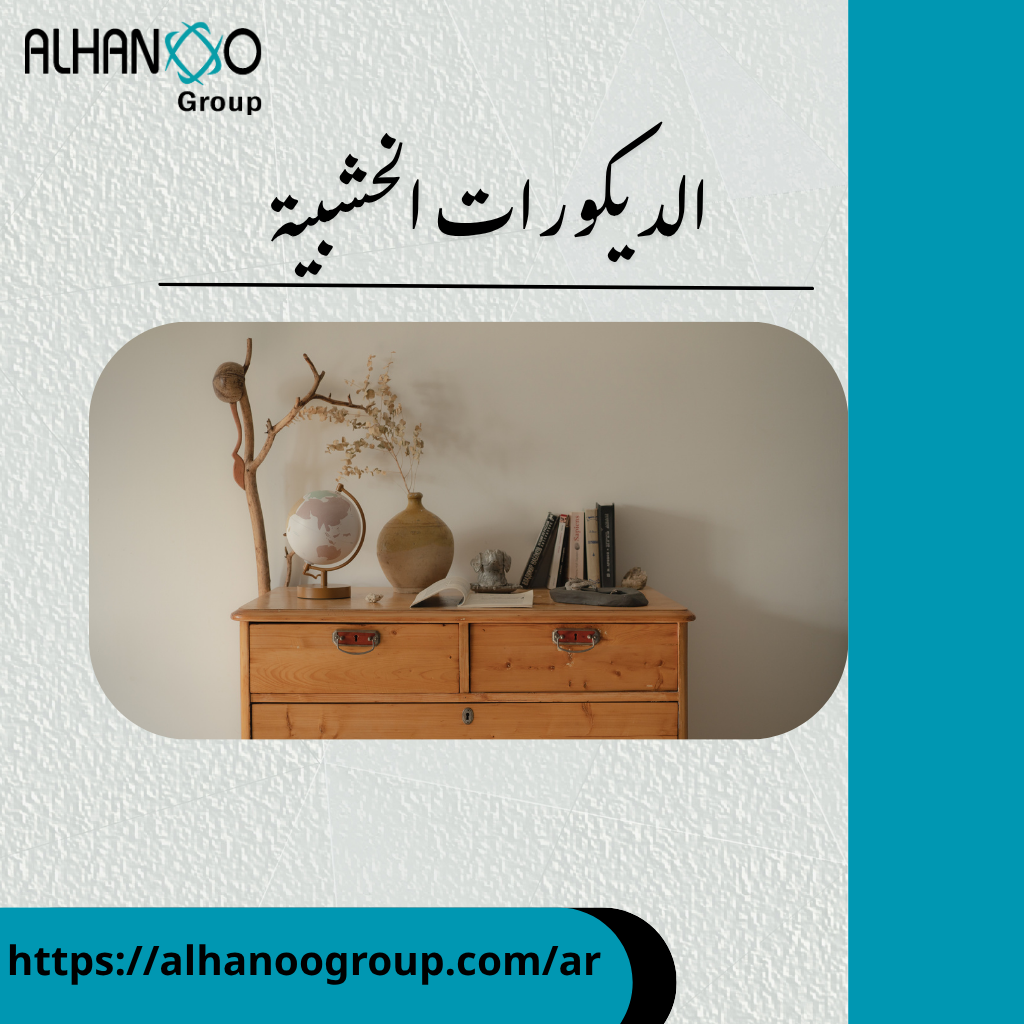
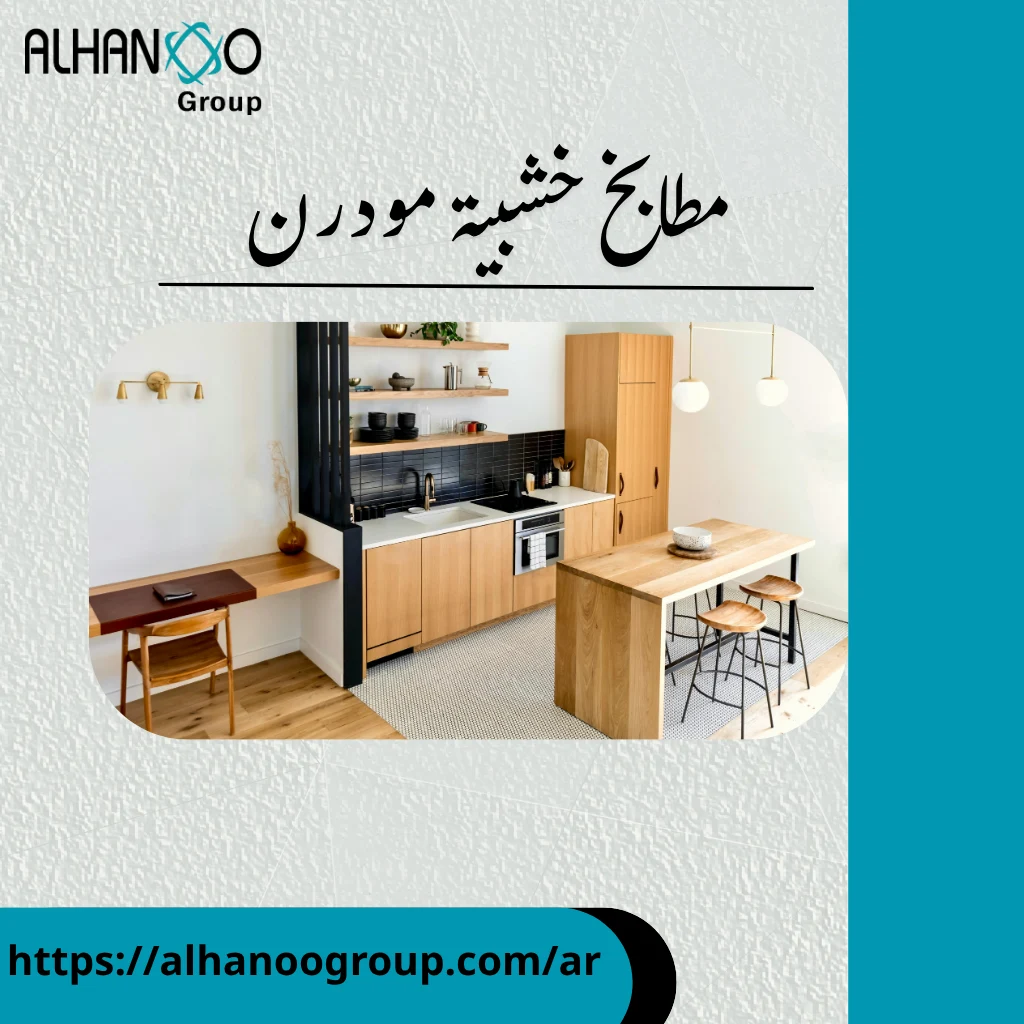
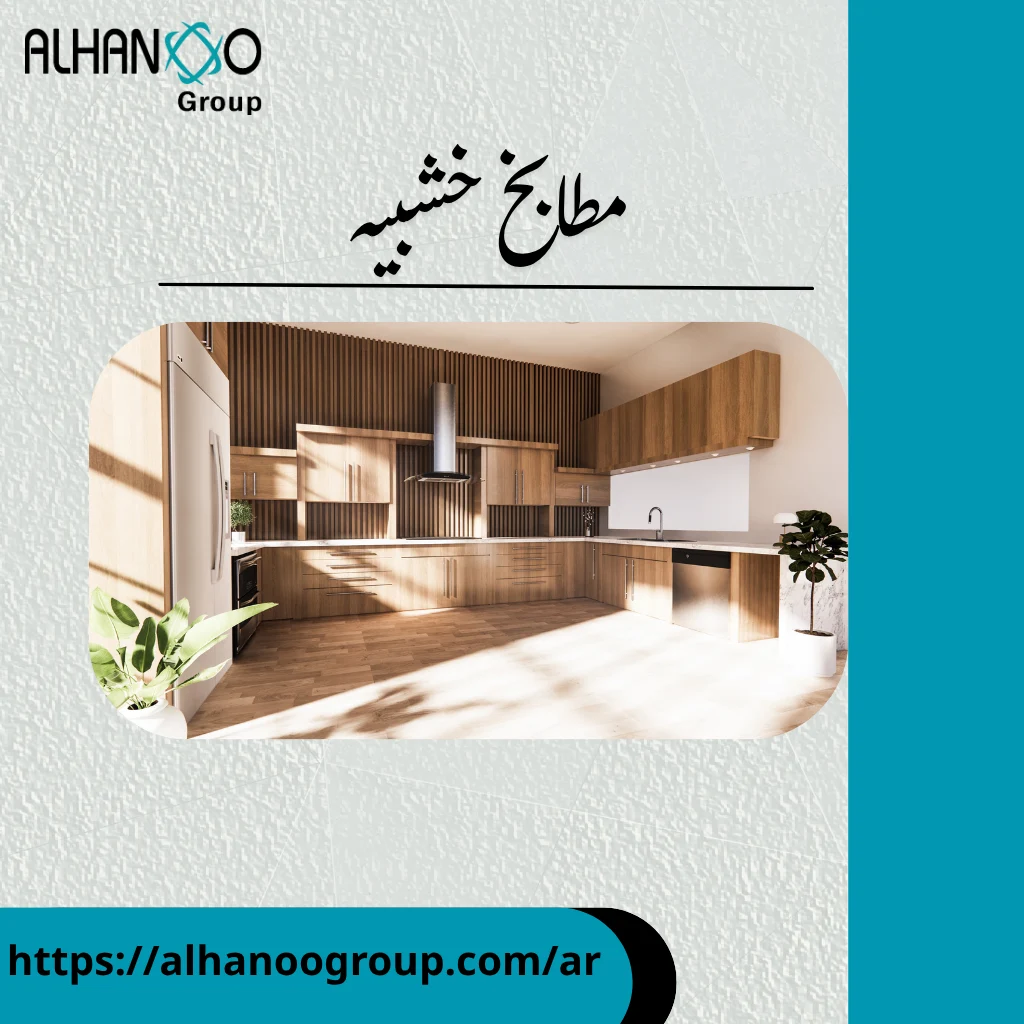
Natural wood is one of the oldest and most beautiful materials used in kitchens, giving a sense of warmth and luxury.
Advantages:
High durability and excellent weight-bearing strength.
Can be sanded and colored as desired.
Gives the kitchen a classic and attractive look.
Disadvantages:
Sensitive to moisture if not treated.
Requires periodic maintenance to maintain its shape and quality.
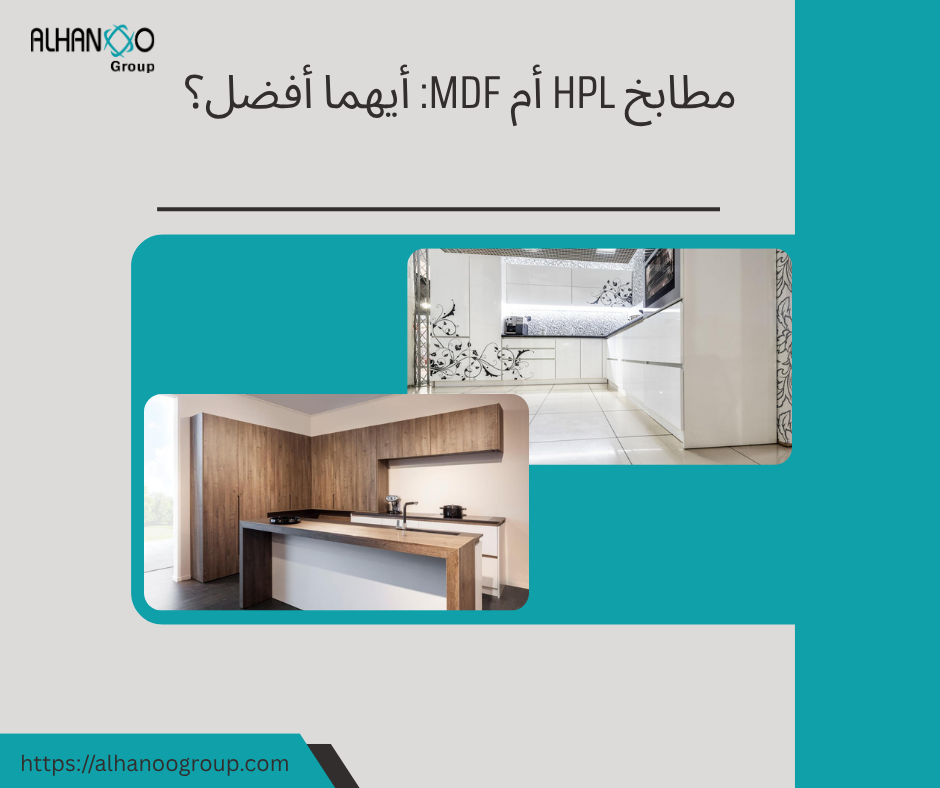
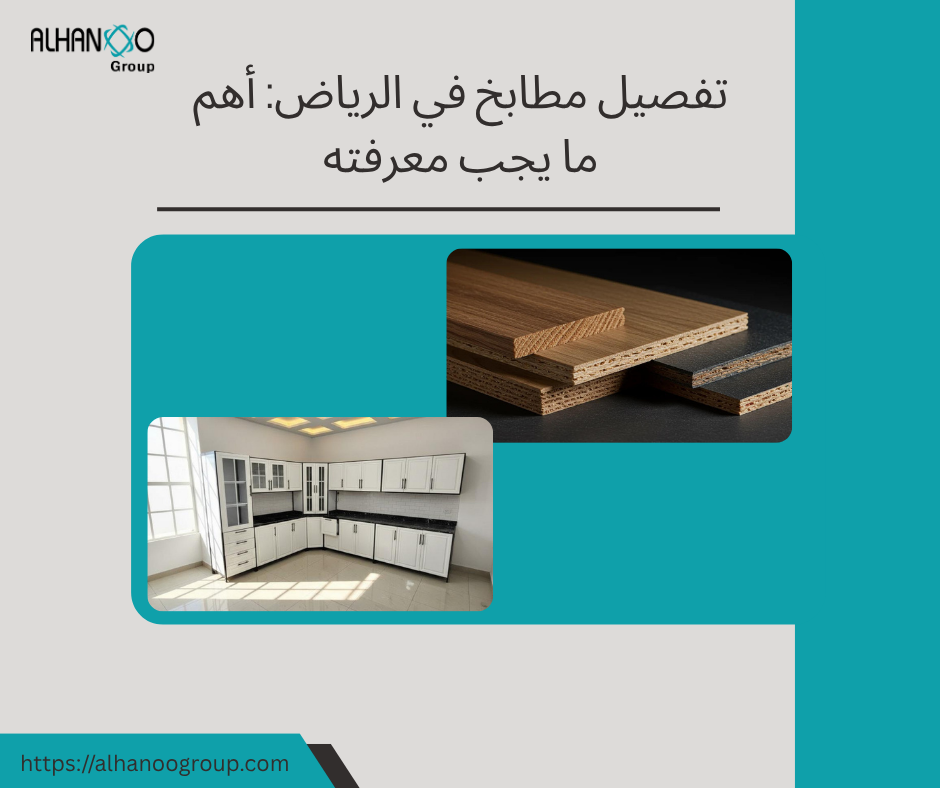
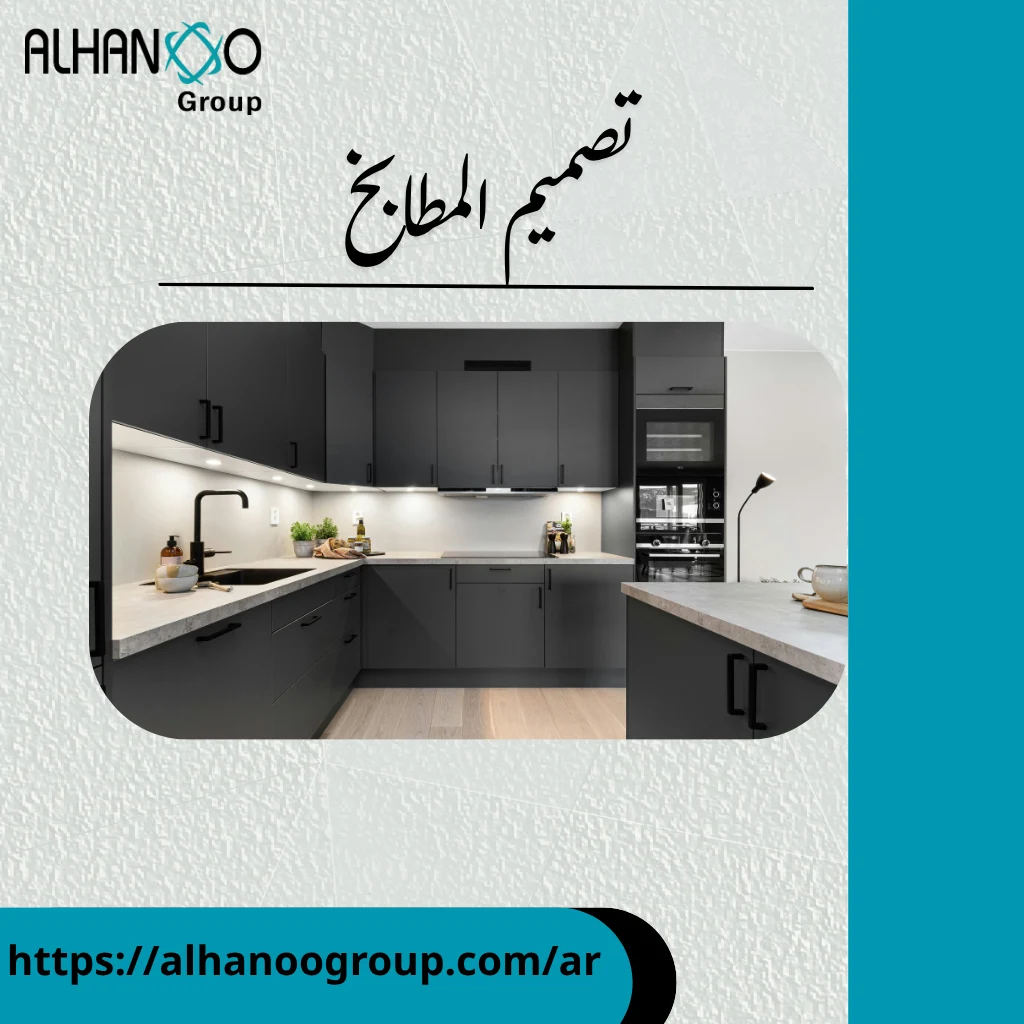
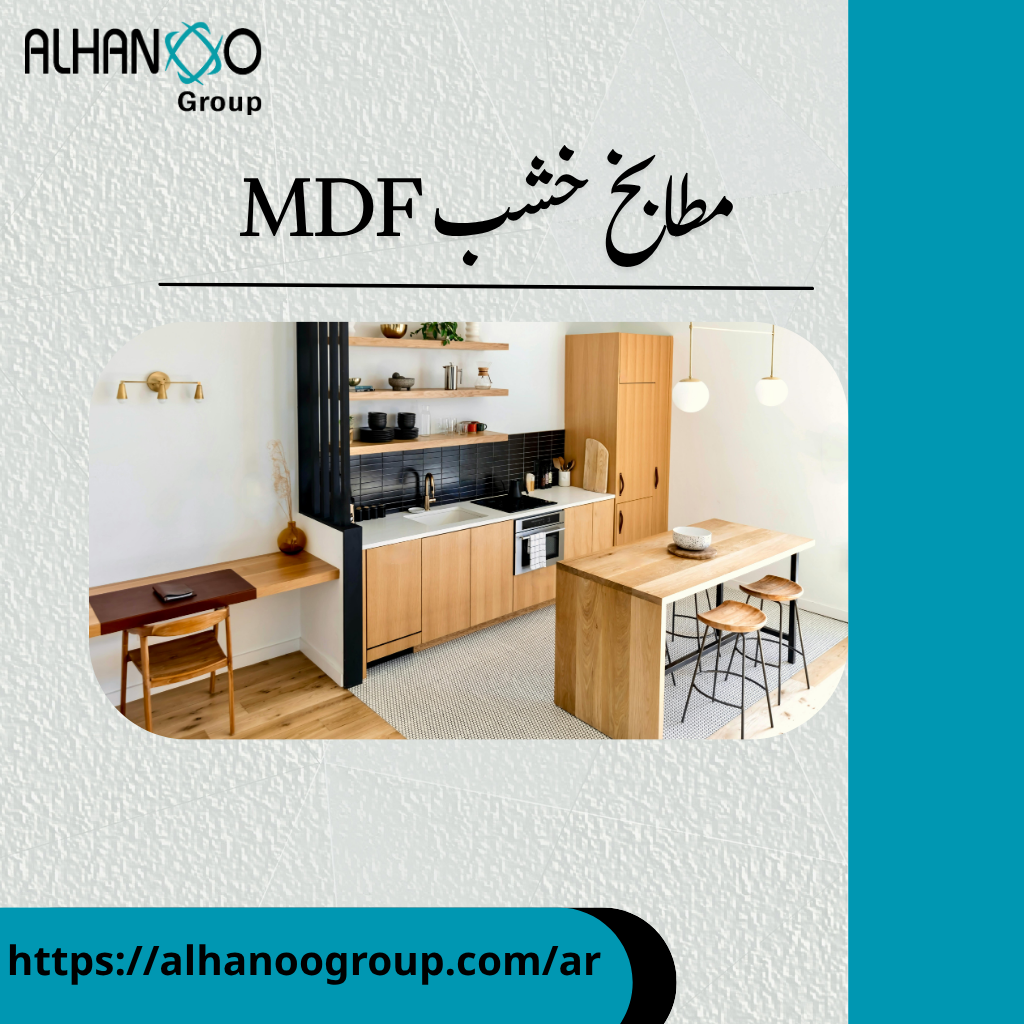
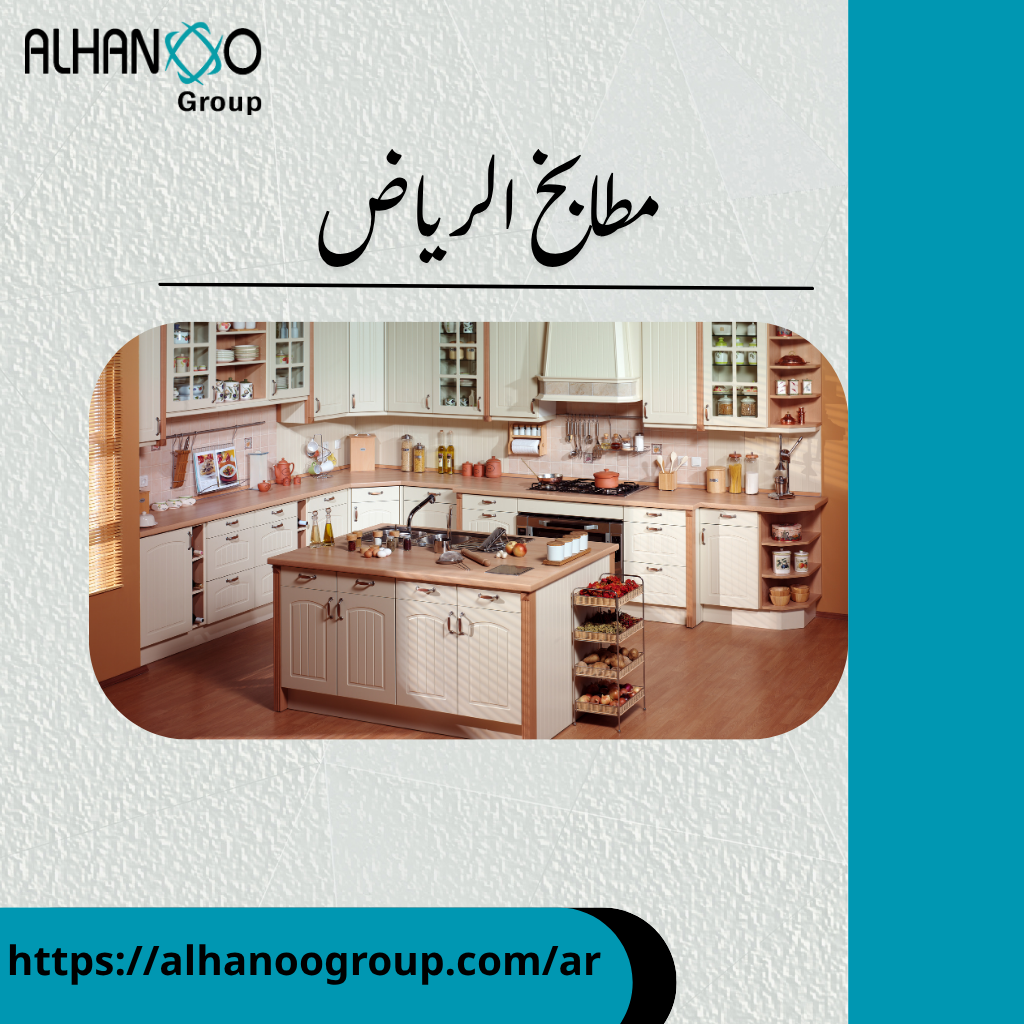
MDF (Medium Density Fiberboard) is an industrial wood popular in modern kitchens.
Advantages:
Its price is lower than natural wood.
A smooth surface that is easy to paint or cover with HPL.
Resistant to cracking and shrinking compared to natural wood.
Disadvantages:
Less durable than natural wood.
Can be damaged when exposed to extreme moisture.
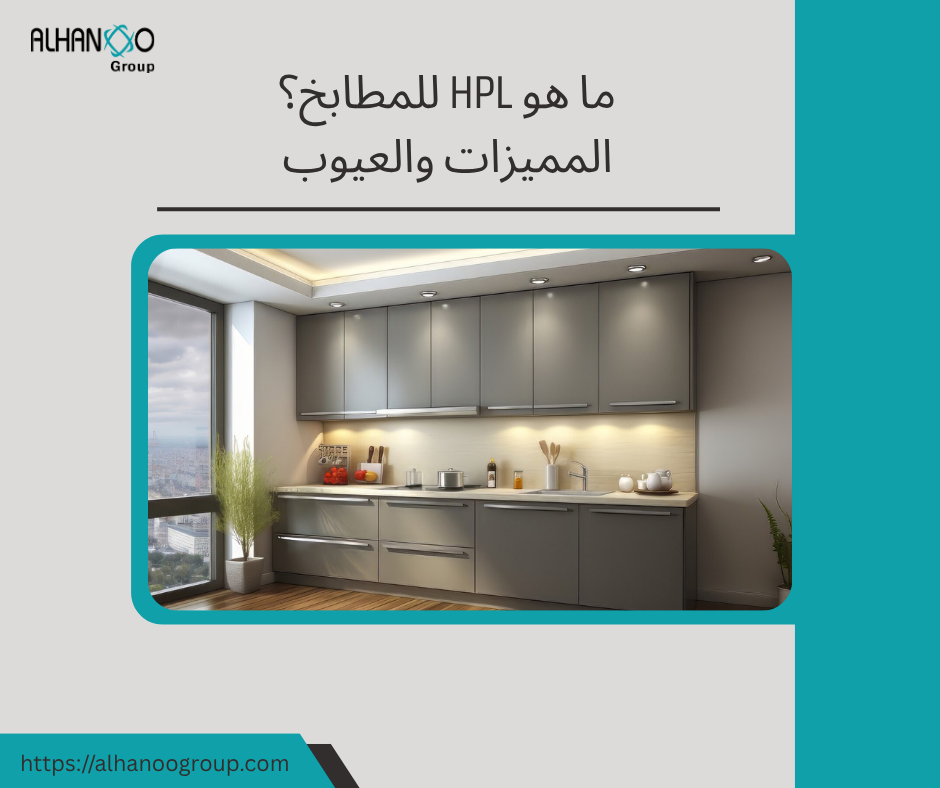
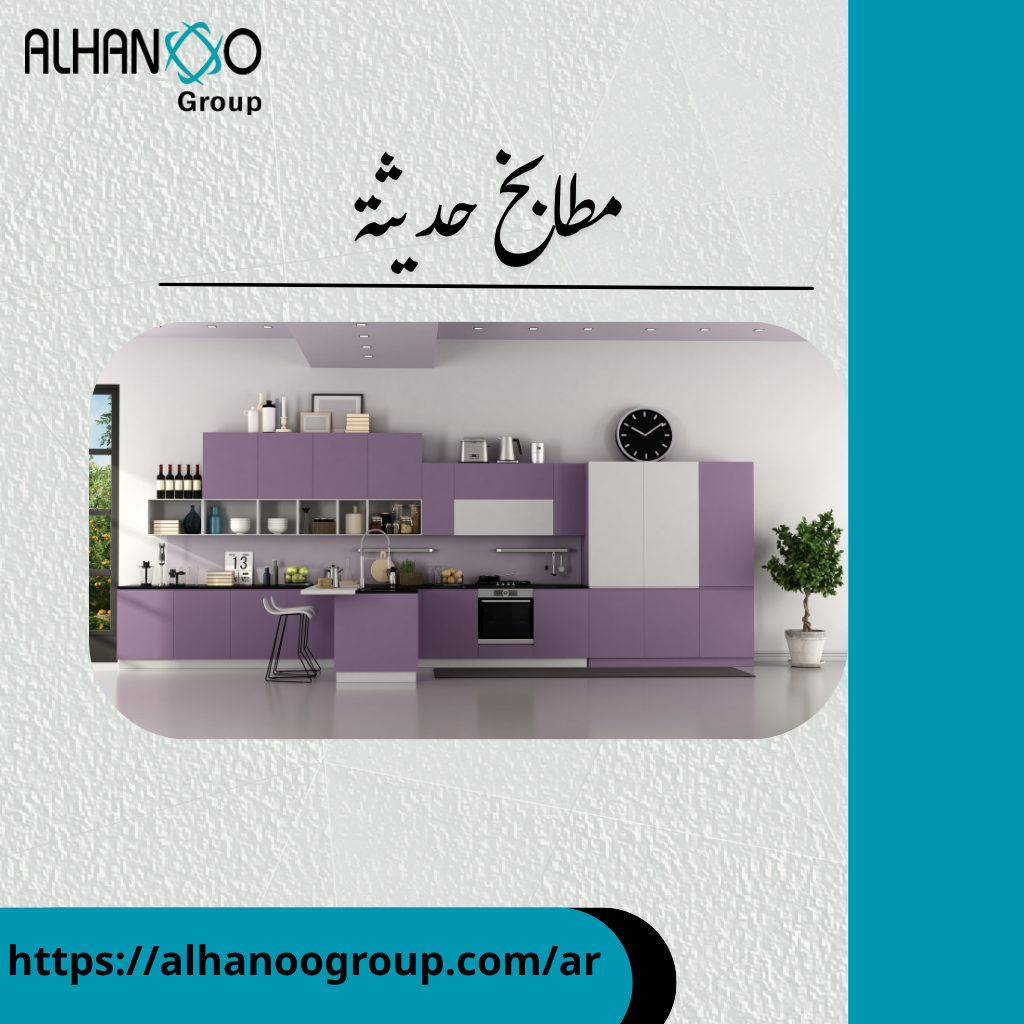
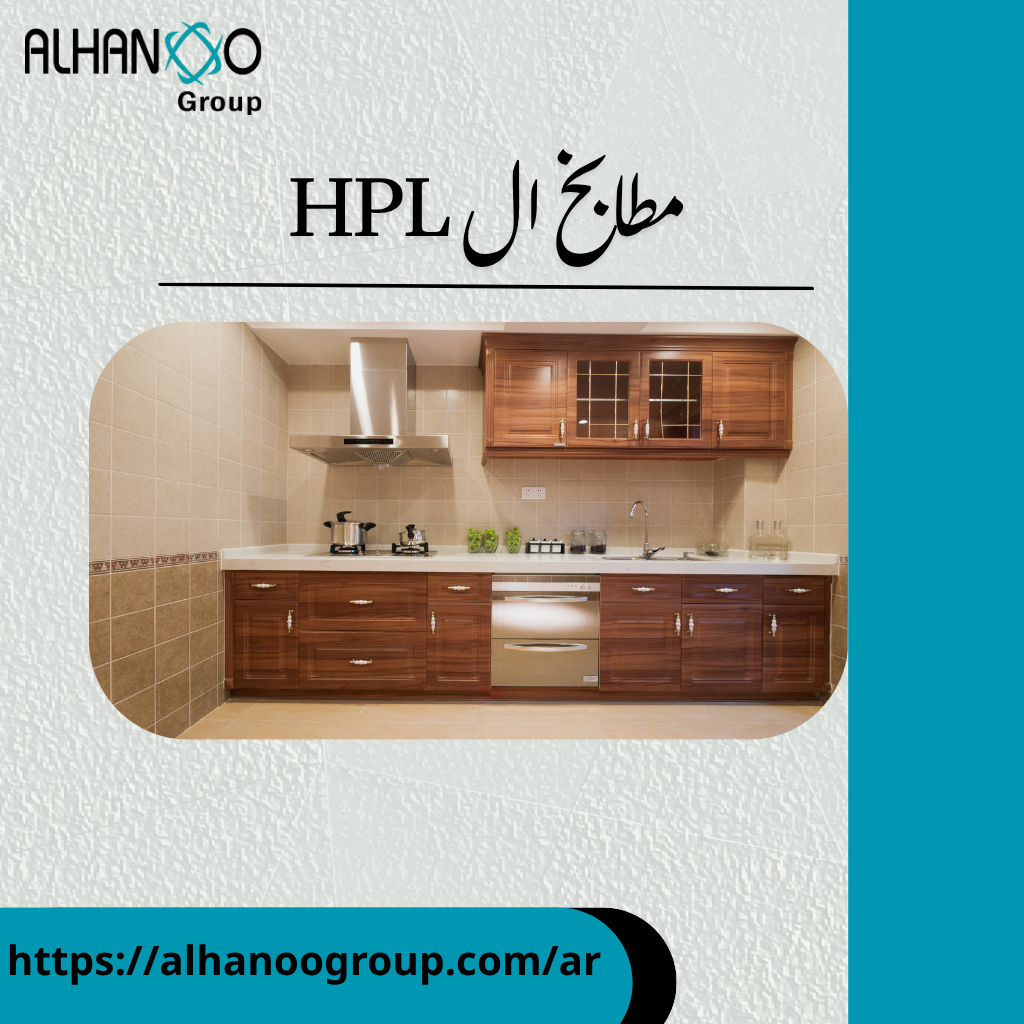
HPL is one of the most famous modern kitchen materials, and it is used to clad wood or MDF.
Advantages:
Resistant to scratches and stains.
Available in multiple colors and patterns.
Easy to clean and moisture-resistant.
Disadvantages:
Requires precision in installation to avoid visible joints.
Cannot be easily repaired if damaged.
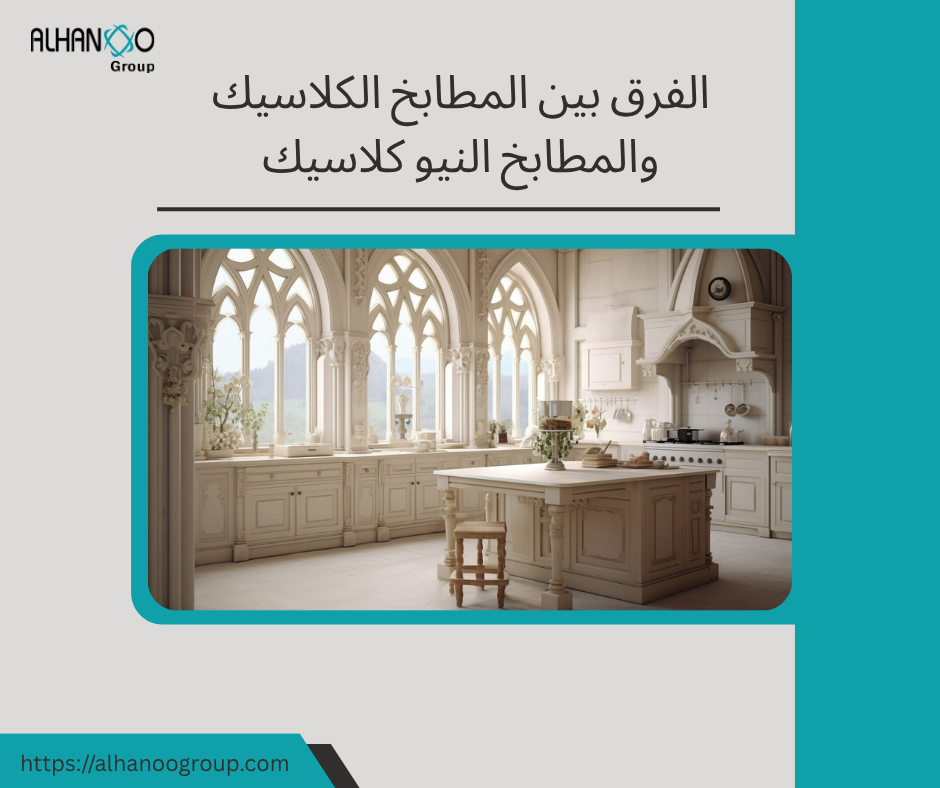
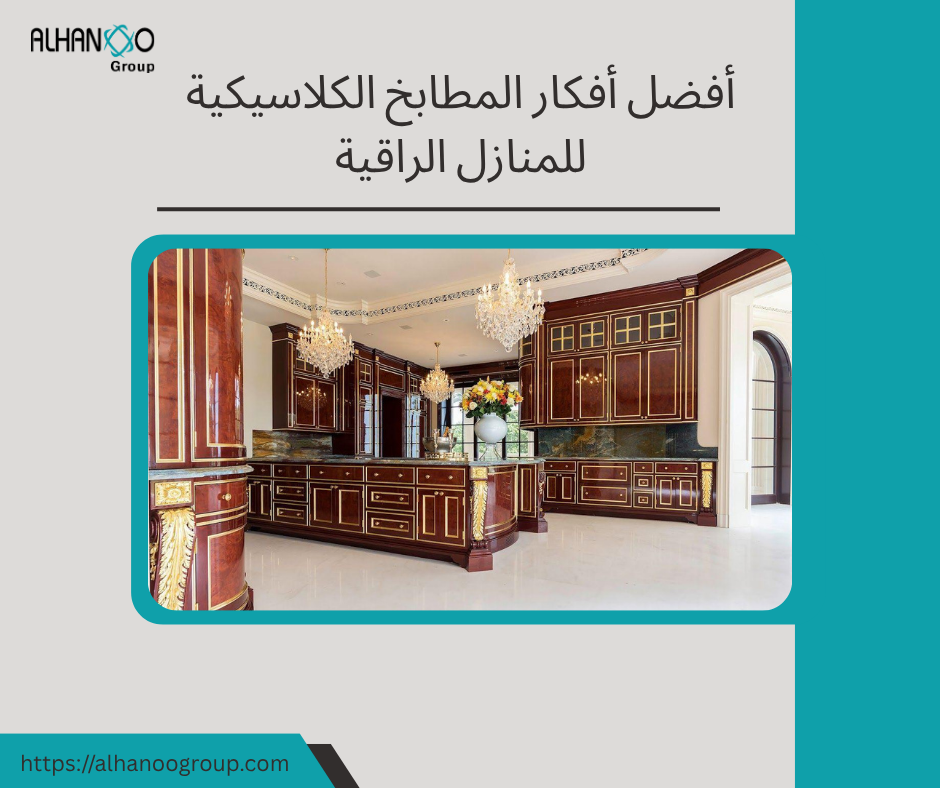
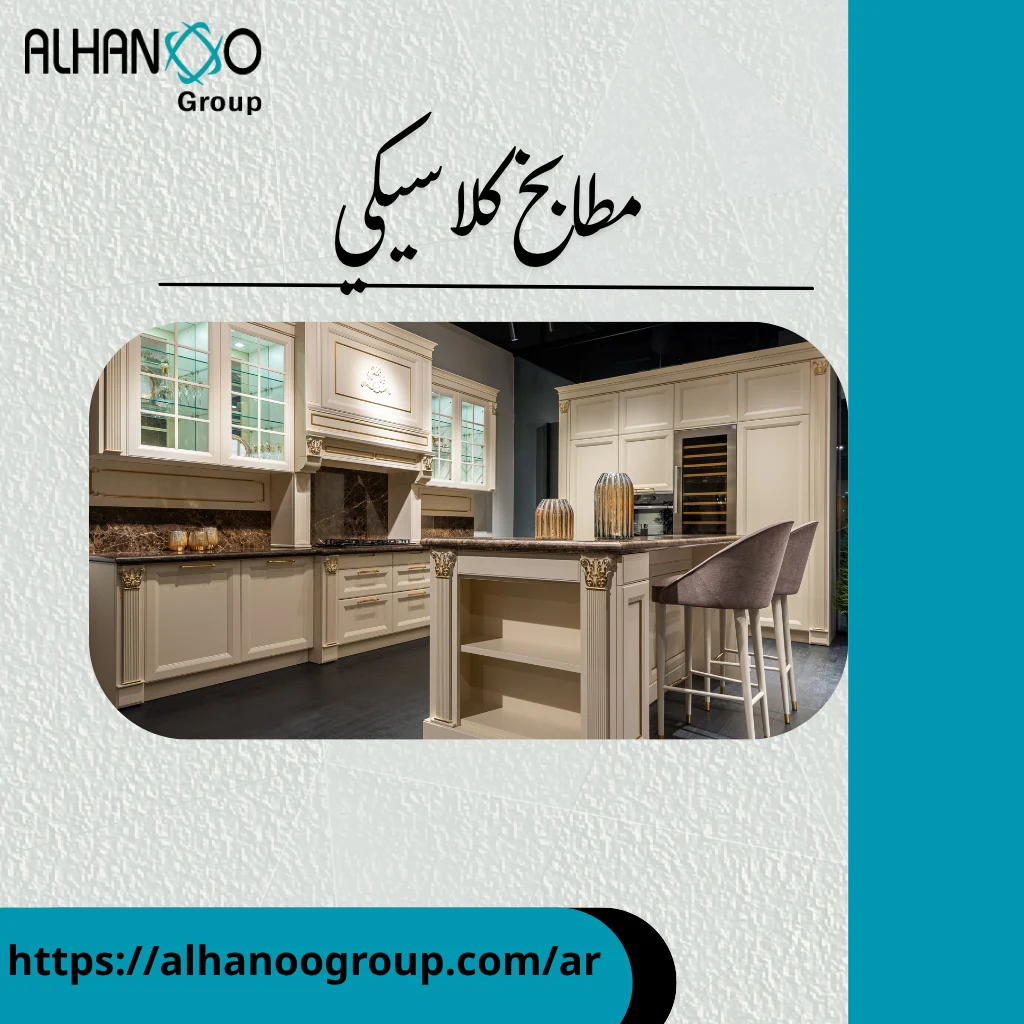
Oak wood is a luxurious material for classic kitchens.
Advantages:
Very durable and resistant to daily use.
Gives a sense of warmth and luxury.
Withstands finishing with various colors and oils.
Disadvantages:
Its price is high compared to industrial wood.
Relatively heavy, which may increase installation costs.
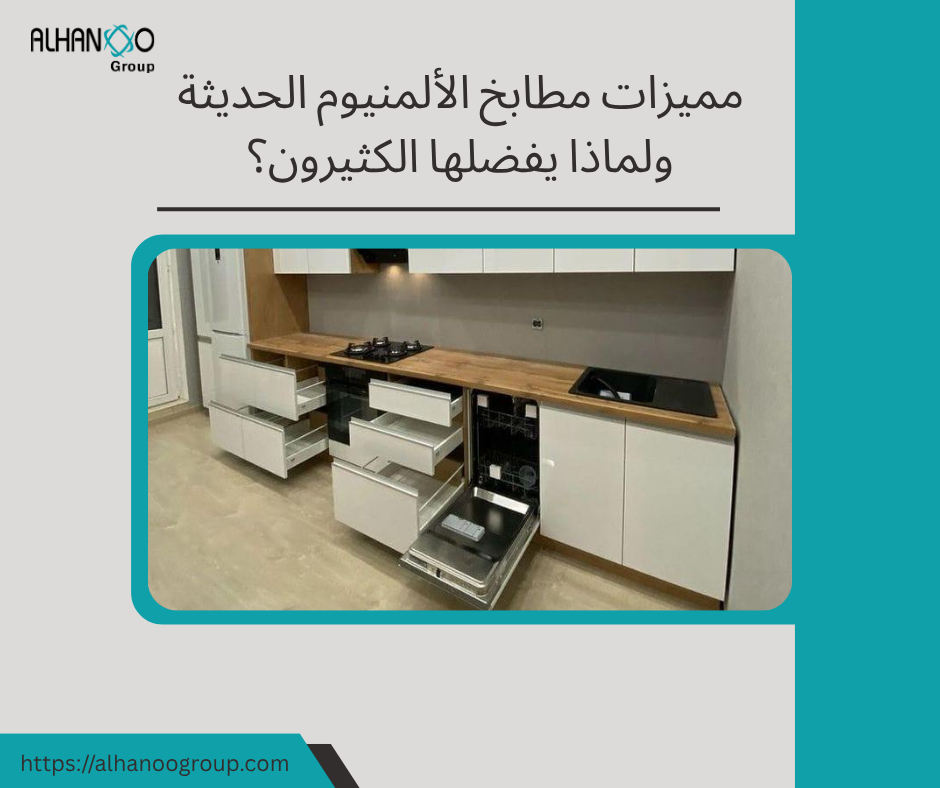
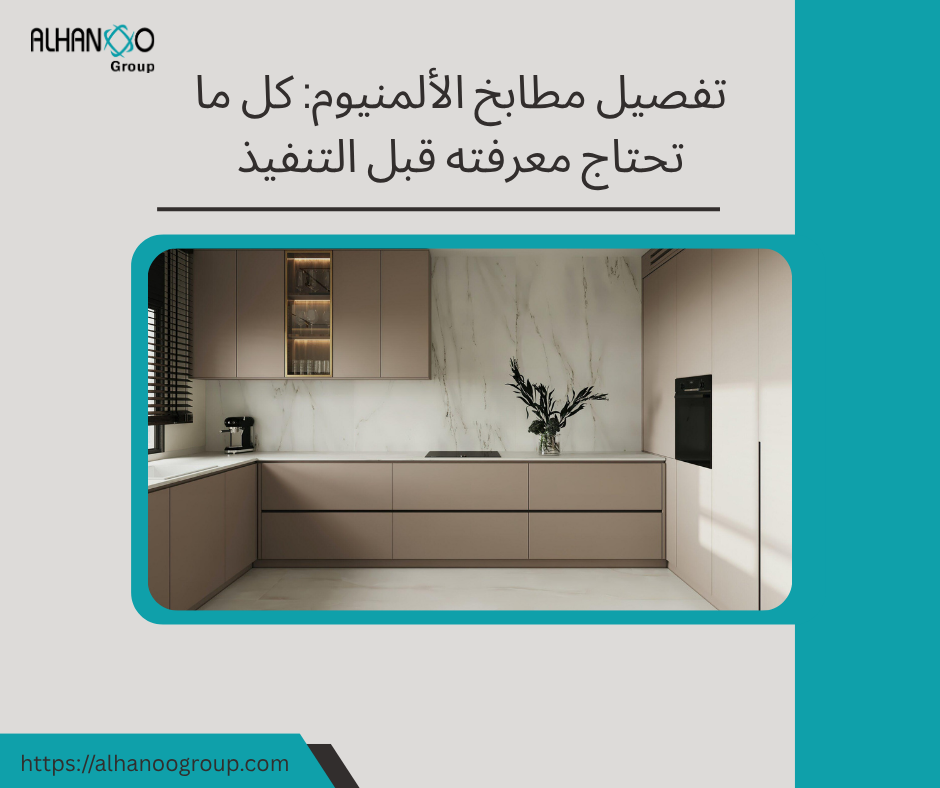
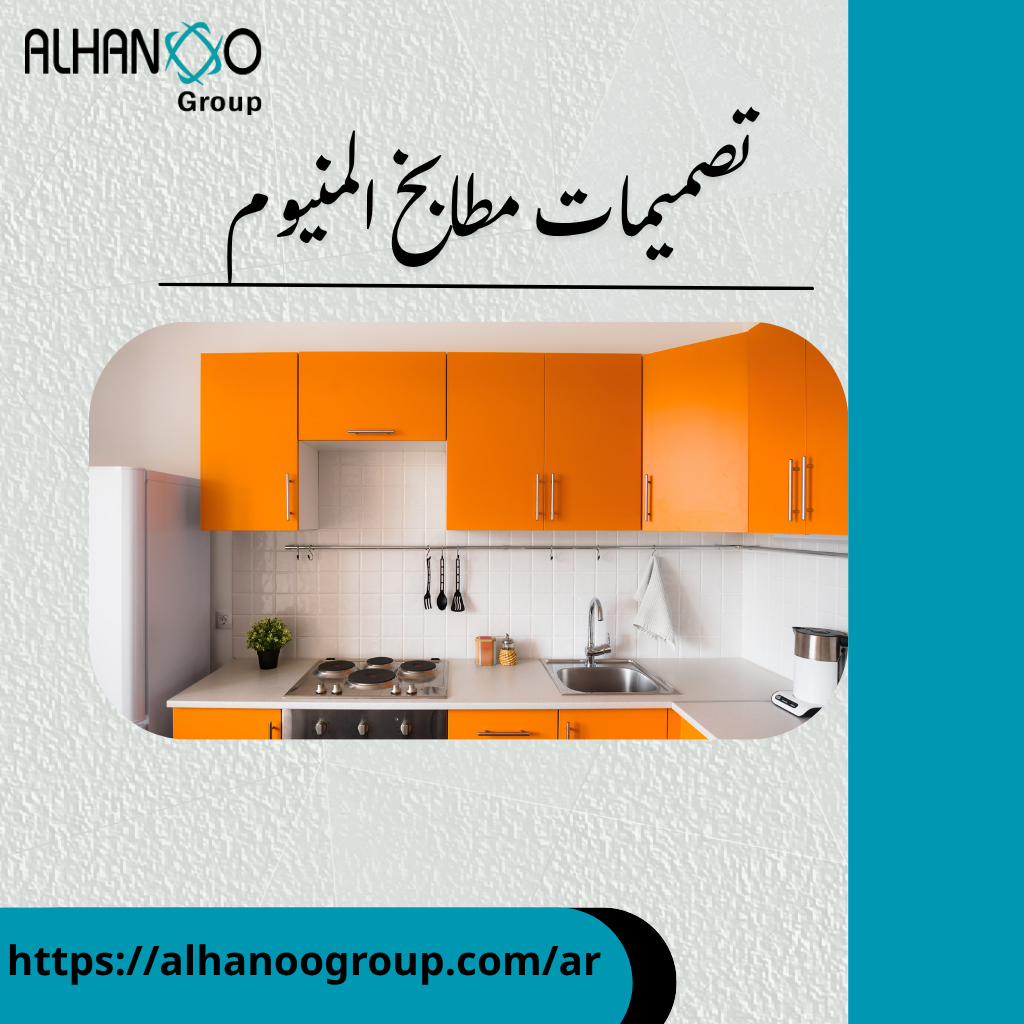
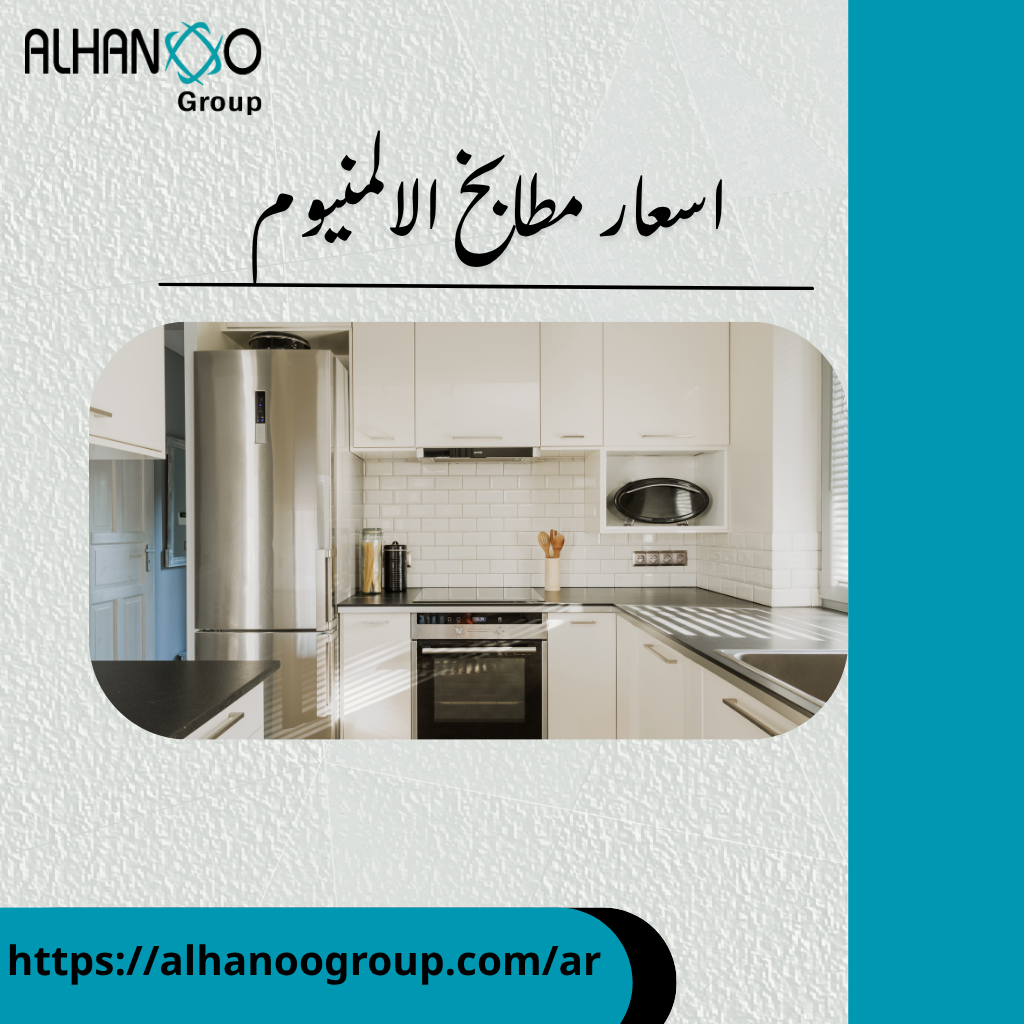
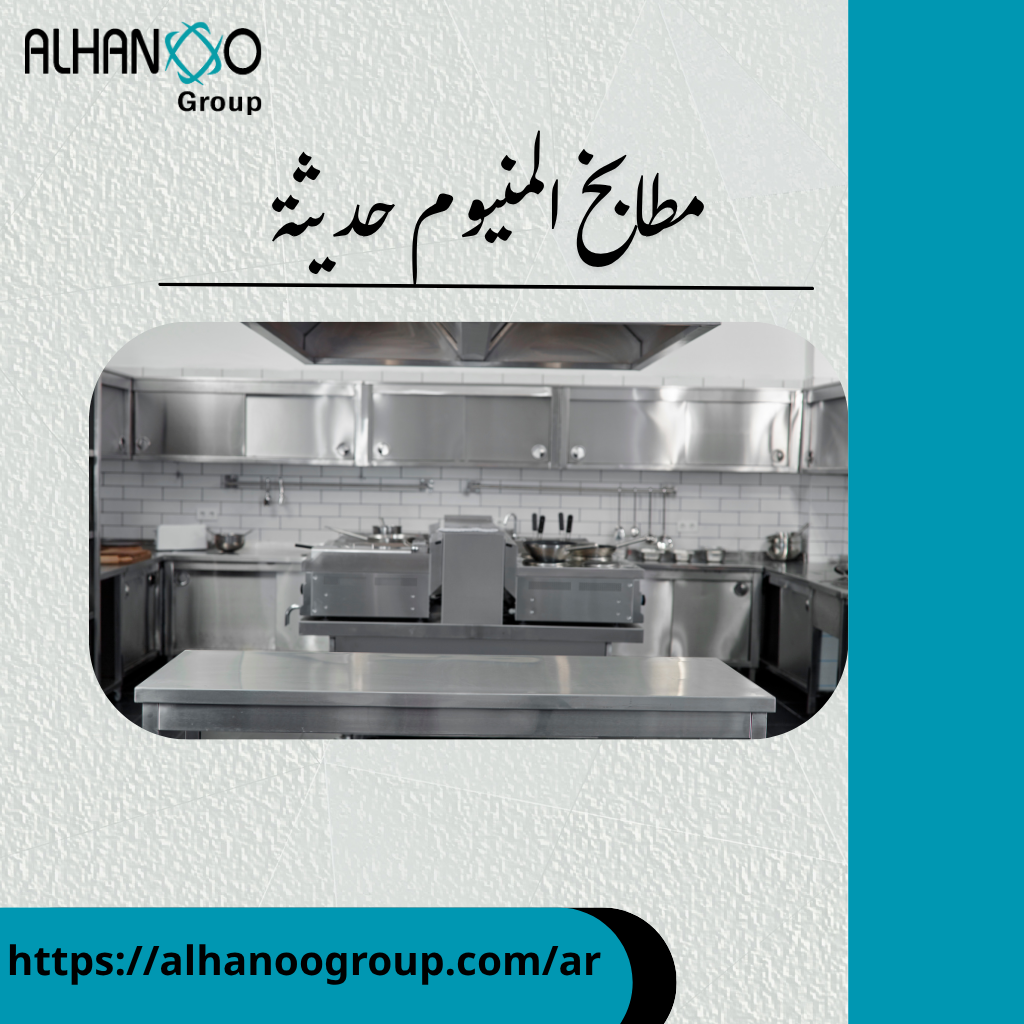
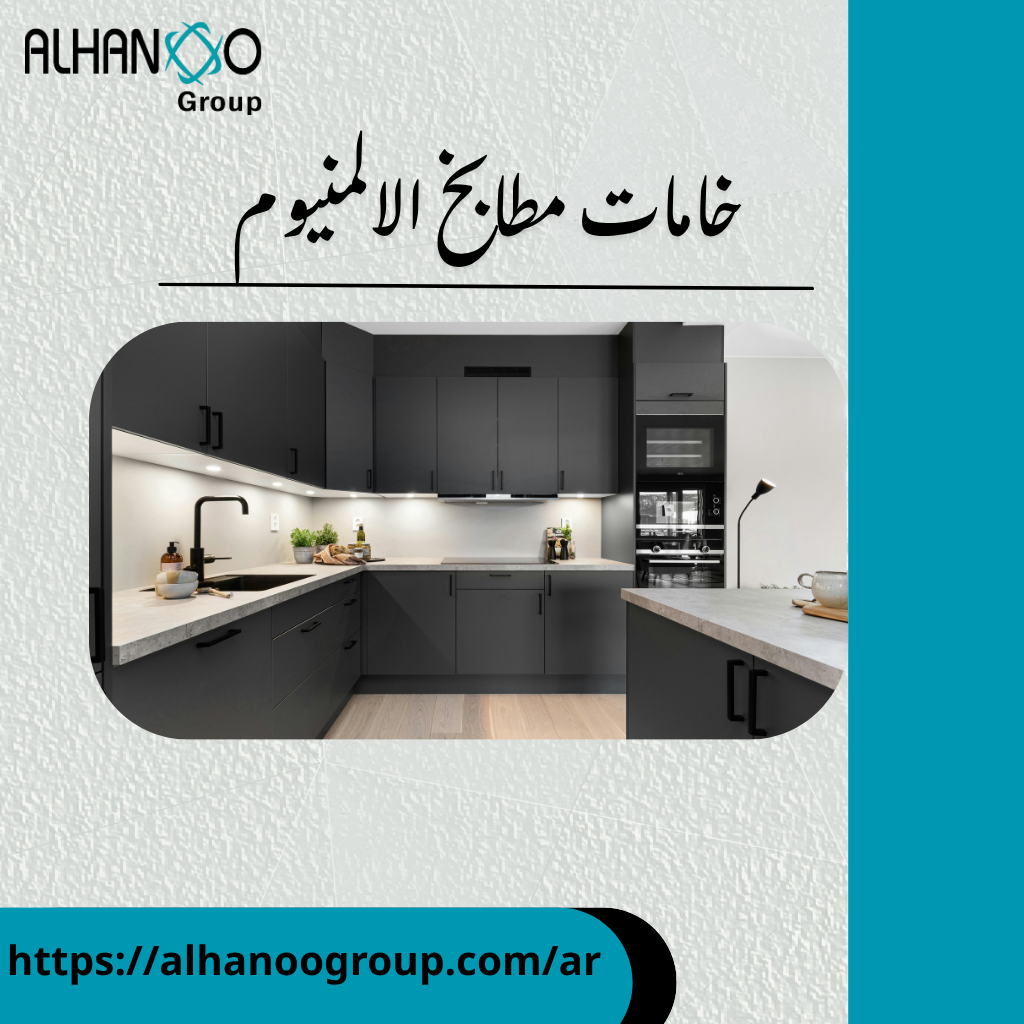
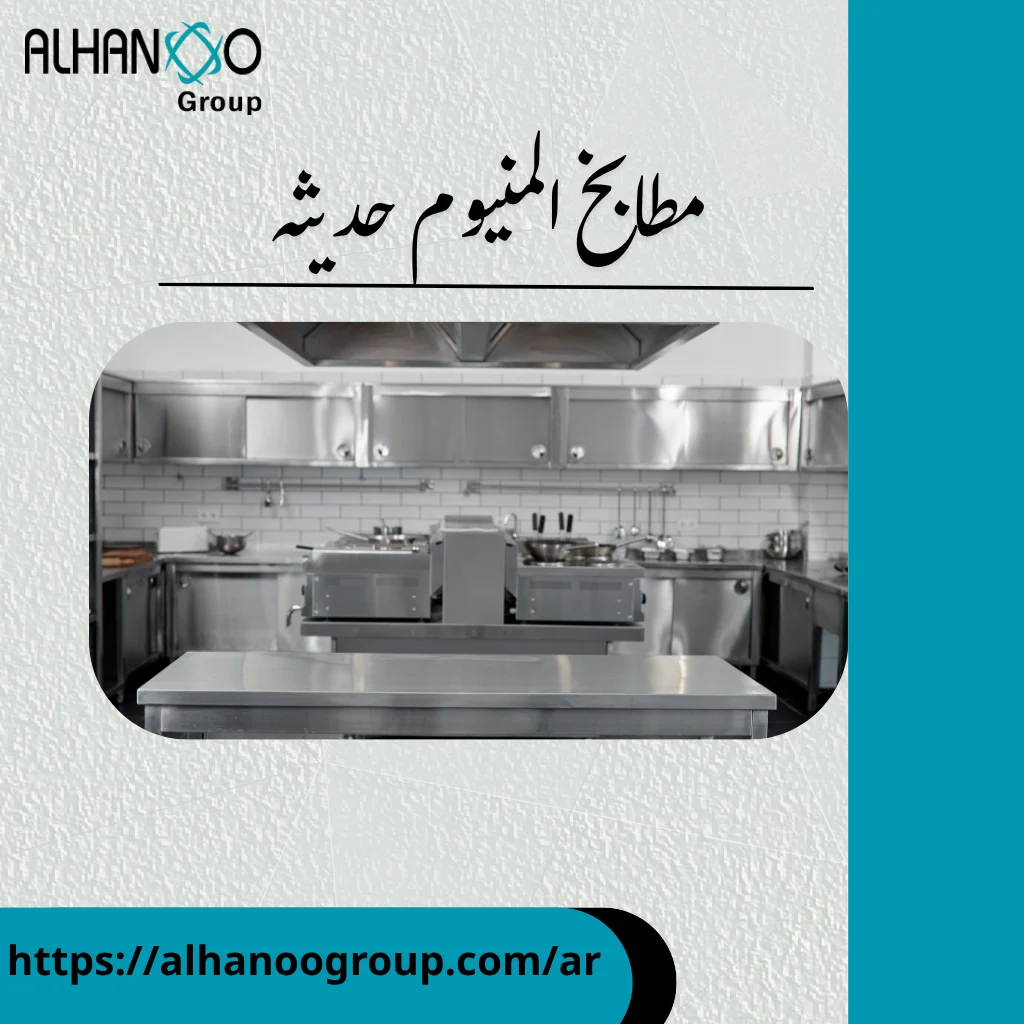
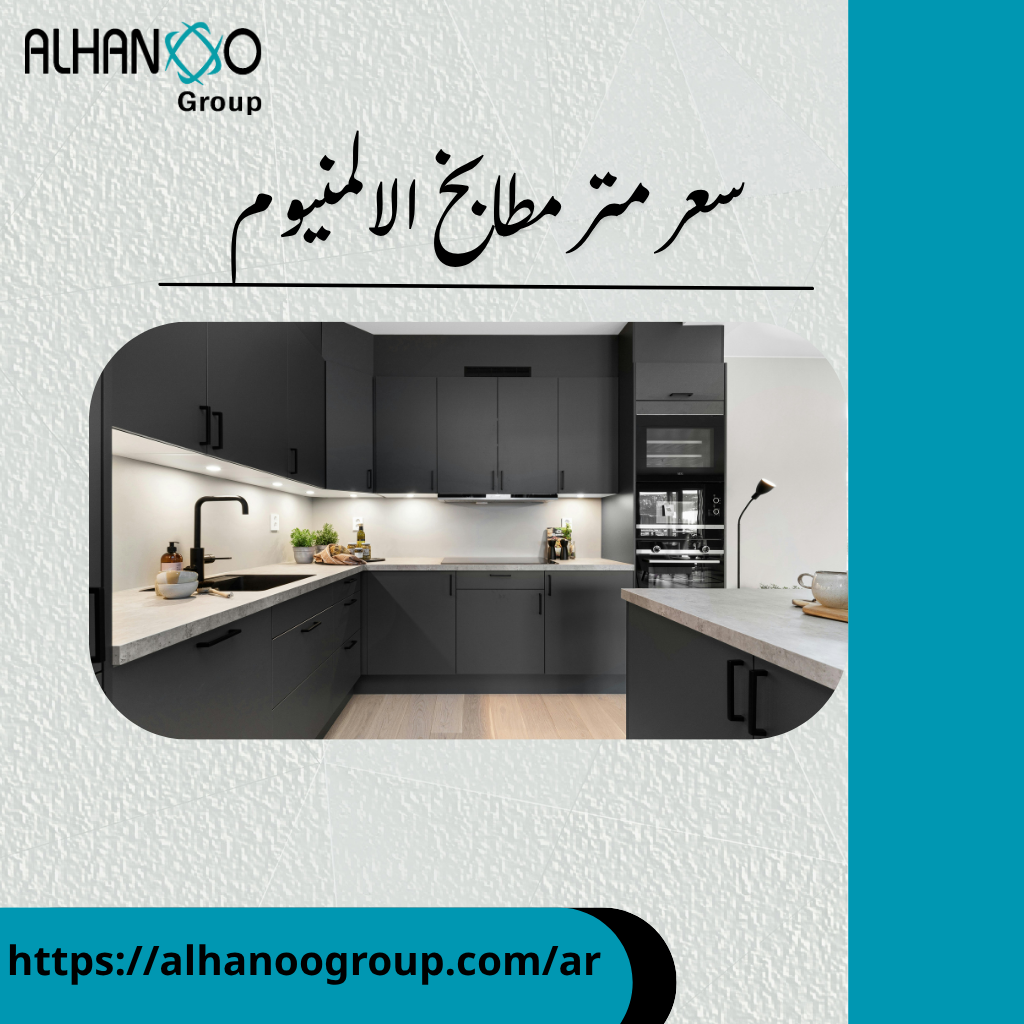
Aluminum is an excellent choice for contemporary kitchens and wet kitchens.
Advantages:
Resistant to moisture and rust.
Light and easy to install.
Gives a modern and durable appearance.
Disadvantages:
Less warm than natural wood.
Can be easily scratched if a good finish is not used.
Glass is used in cabinet doors or as kitchen facades combined with wood or aluminum.
Advantages:
Adds brightness and elegance to the kitchen.
Easy to clean and stain-resistant.
Disadvantages:
Relatively fragile, requiring care during use.
Can be costly depending on the type.
Determine the Kitchen Budget: The choice of materials relies heavily on the available budget.
Attention to Moisture: For wet kitchens, it is preferred to use MDF clad with HPL or moisture-resistant aluminum.
Match the Design: Choose a material that suits the style of the kitchen, whether it is modern, classic, or traditional.
Ease of Cleaning and Maintenance: Make sure the material is easy to clean and withstands daily use.
Quality and Durability: Do not choose very cheap materials because they may damage quickly and increase maintenance costs later.
Choosing the right kitchen materials is the foundation of designing a practical and beautiful kitchen. From natural wood that gives warmth and luxury, to MDF and HPL for modern elegance, and moisture-resistant aluminum for contemporary kitchens, every material has its advantages and disadvantages. Good planning and the appropriate choice based on budget and design will guarantee you a long-lasting and attractive kitchen.
Choosing the right kitchen materials is essential to ensure kitchen durability, ease of maintenance, and beauty. Before executing any kitchen, clients ask several questions to ensure choosing the right material for the space and budget.
What are the common types of kitchen materials?
Natural Wood: Luxurious, durable, and gives a warm feeling, but requires periodic maintenance.
Clad MDF: An industrial material that is moisture-resistant and easy to shape and design.
High-Pressure HPL: Resistant to scratches and stains, and easy to clean.
Aluminum: Light, modern, and moisture-resistant, frequently used in modern kitchens.
PVC: Suitable for economical kitchens and easy to maintain.
What is the difference between natural wood and MDF?
Natural Wood: Durable and luxurious, bears weight and gives a warm texture, but is more expensive and requires maintenance.
MDF: Less expensive, can be shaped easily, moisture-resistant to some extent, but less durable than natural wood.
What are the advantages of HPL material in kitchens?
Resistant to stains and scratches.
Easy to clean and maintain.
Available in various colors and designs.
Suitable for contemporary and modern kitchens.
Can more than one material be used in a single kitchen? Yes, it is possible to combine:
Natural wood for drawers and main facades.
HPL or MDF for upper surfaces or backdrops.
Aluminum or glass in some shelves or modern facades.
How do I choose a material suitable for the space?
For wet areas such as kitchens and laundries, it is preferred to use moisture-resistant HPL or MDF.
For drawers and facades that withstand heavy daily use, natural wood or high-quality HPL is ideal.
For places that need a modern and glossy look, aluminum and glass are an ideal choice.
How do I maintain kitchen materials for a longer period?
Clean surfaces with a soft, slightly damp cloth.
Avoid using harsh chemical cleaners on natural wood.
Keep surfaces dry and avoid water leakage on natural wood or MDF.
Polish wooden surfaces or repaint when necessary to maintain the shine.
What are the most important tips when choosing kitchen materials?
Determine your budget before choosing the material.
Choose materials resistant to moisture and scratches according to use.
Blend colors and designs with the general home decor.
Choose materials that are easy to maintain to facilitate daily use.
Deal with reliable companies that offer a warranty on the materials used.