The Best Types of Wood for Kitchens and How to Choose the Right One
8-4-2025
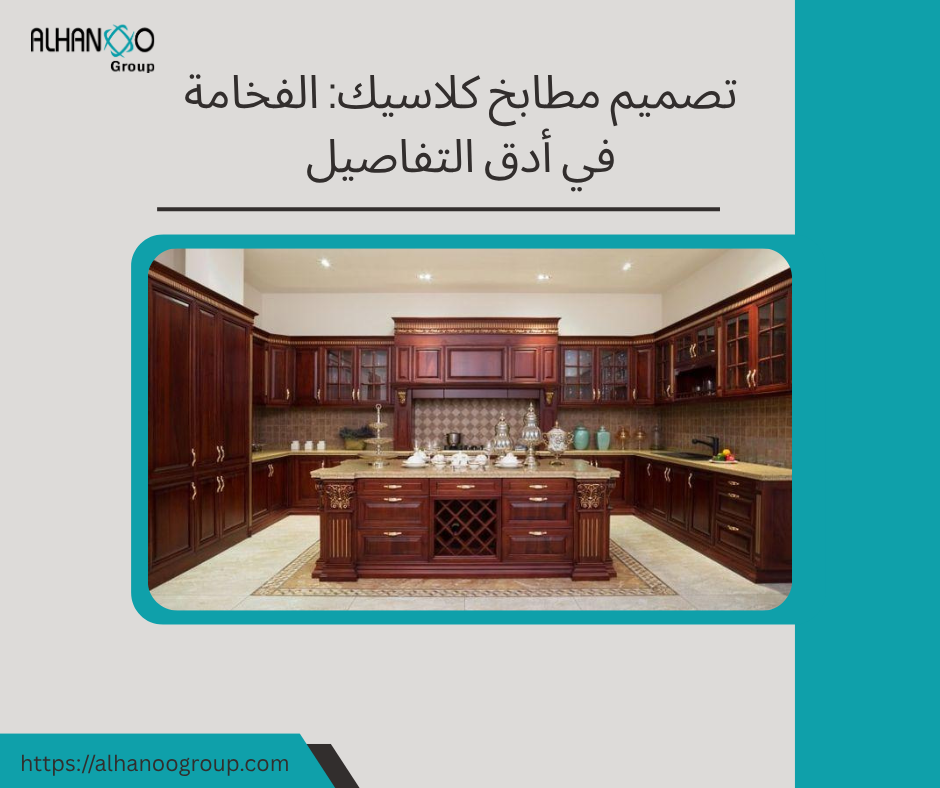
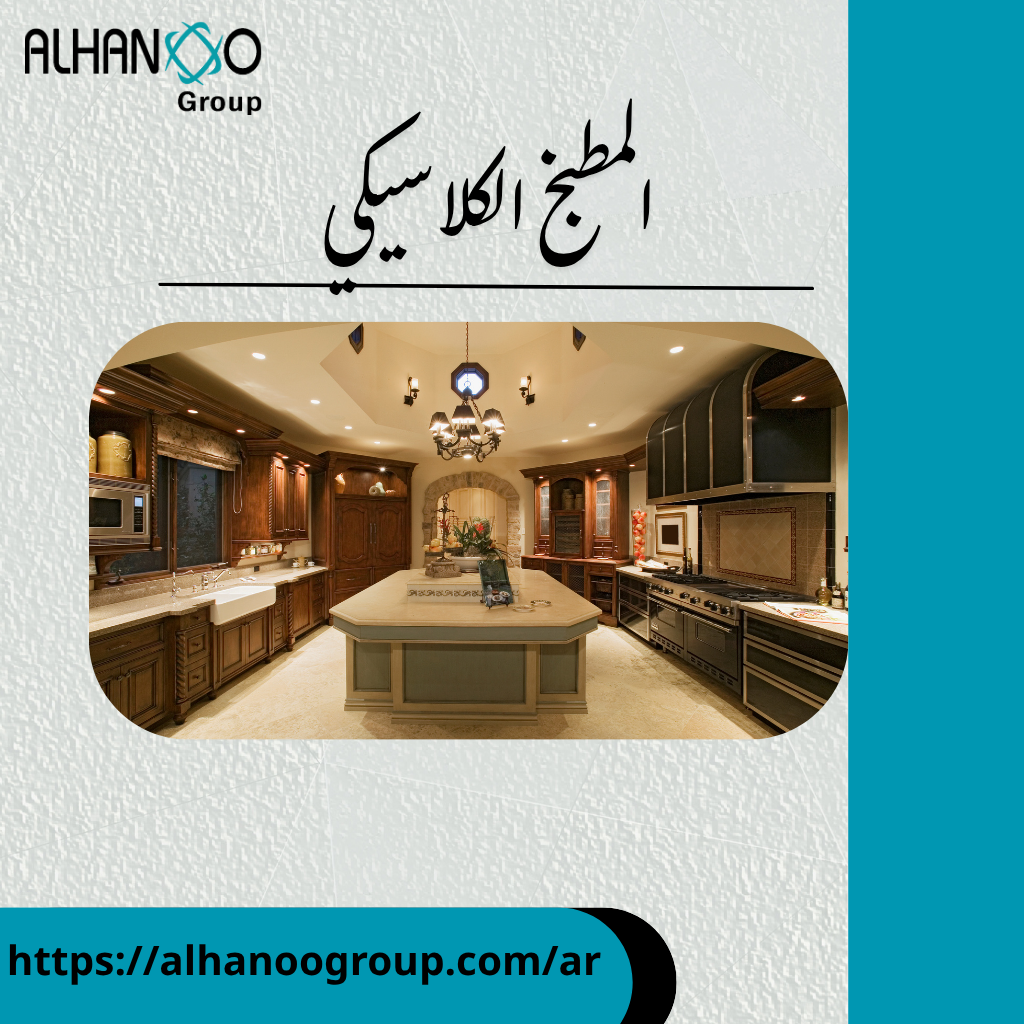
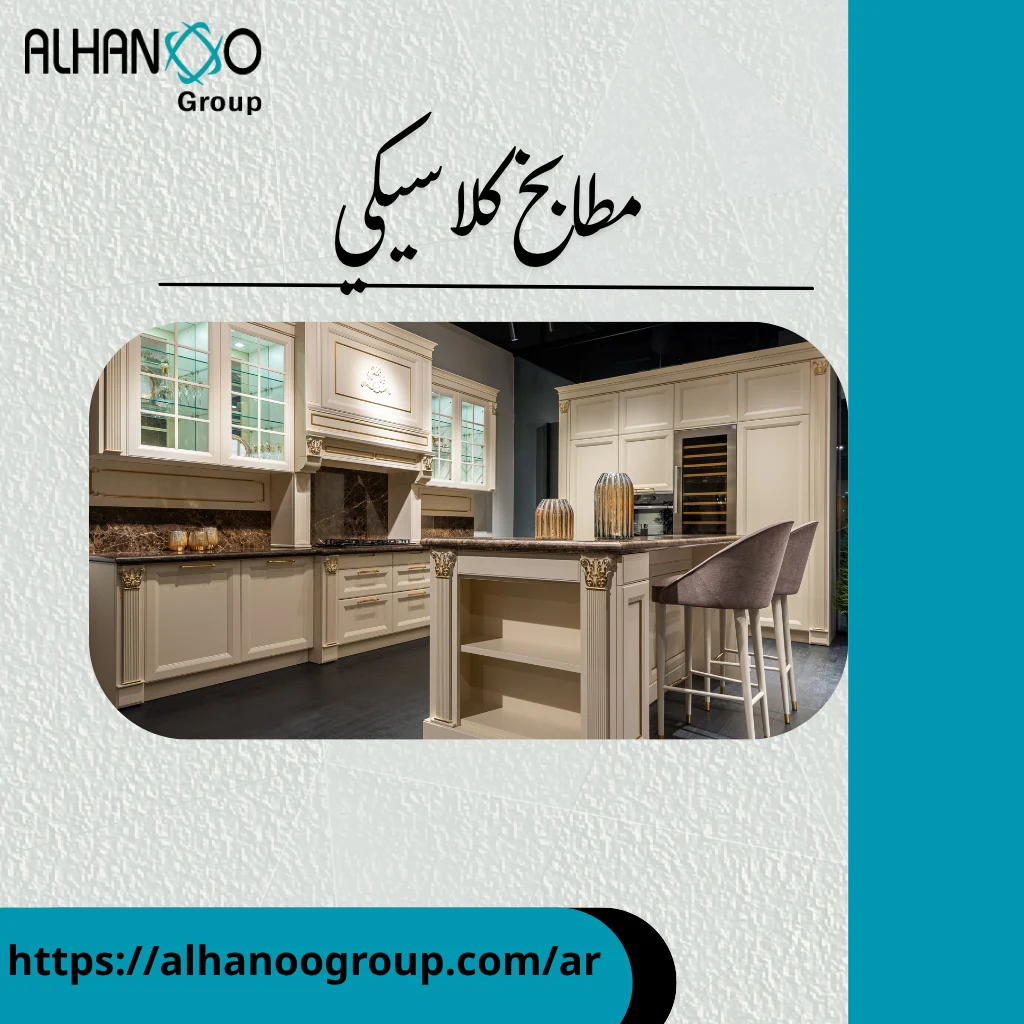
The kitchen is the heart of the home and a gathering place for the family, reflecting the personal taste of its owners. Despite the spread of modern styles, classic kitchen design still holds a special place for many due to its timeless elegance, warmth, and luxurious appeal. At Hanoo Group, we focus on delivering classic kitchen designs that combine aesthetic beauty with practical functionality to meet every client’s needs.
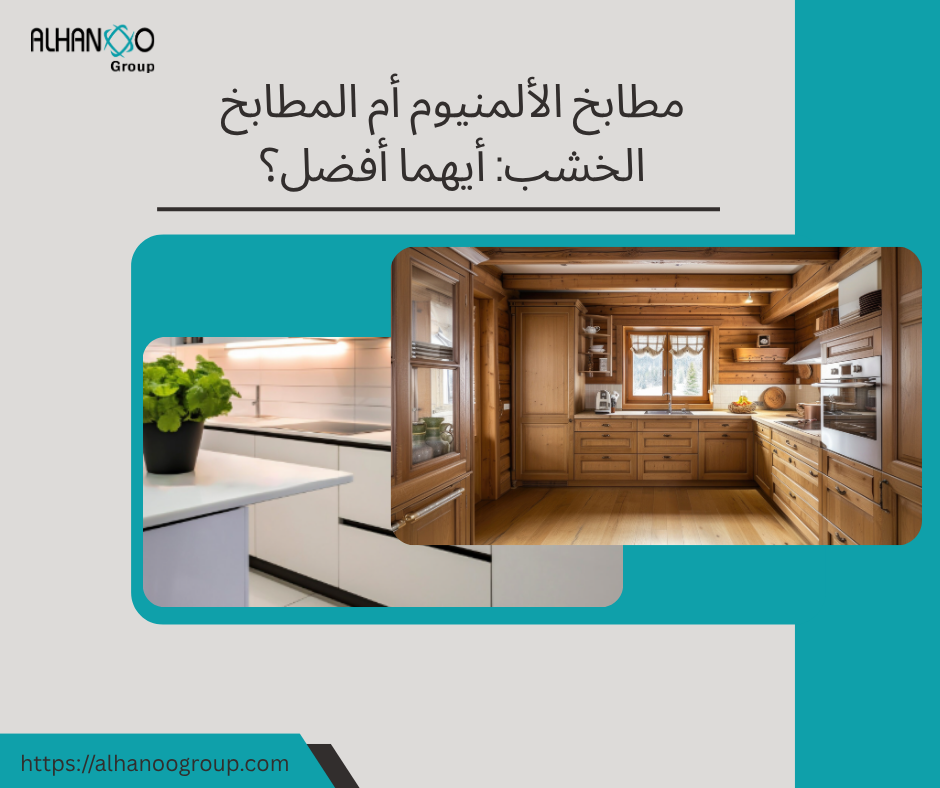
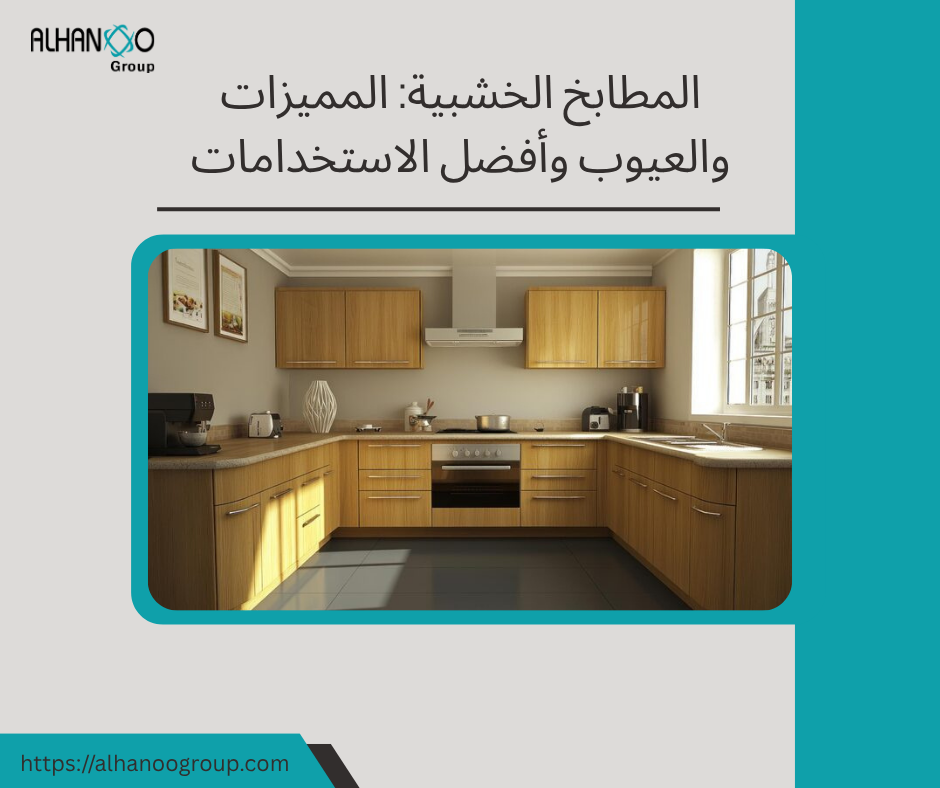
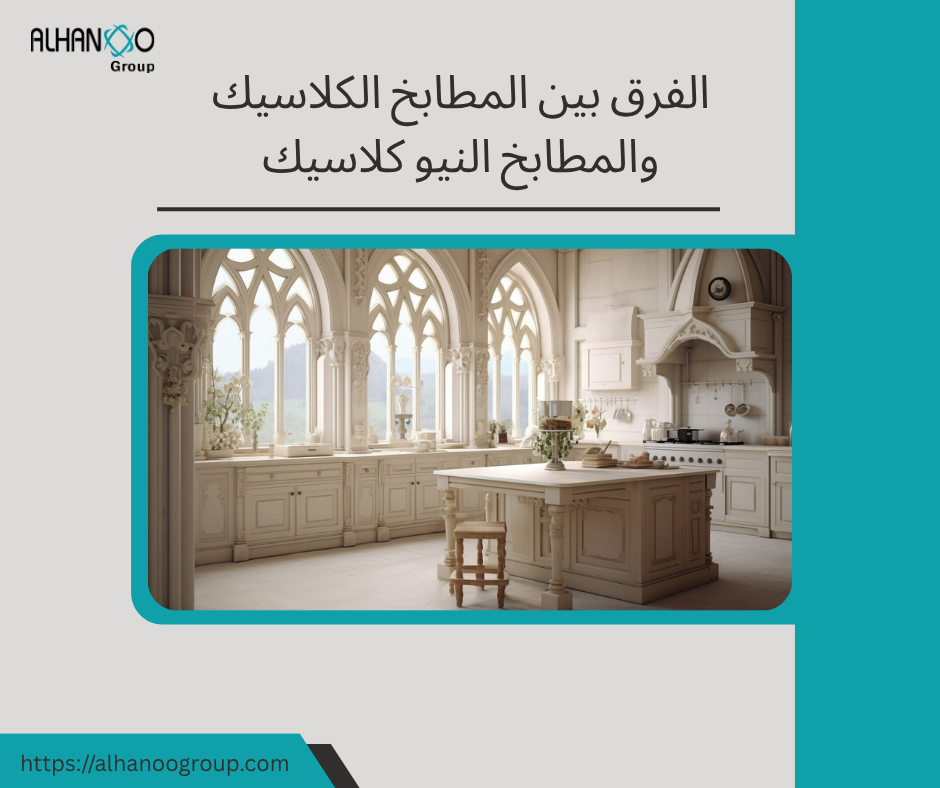
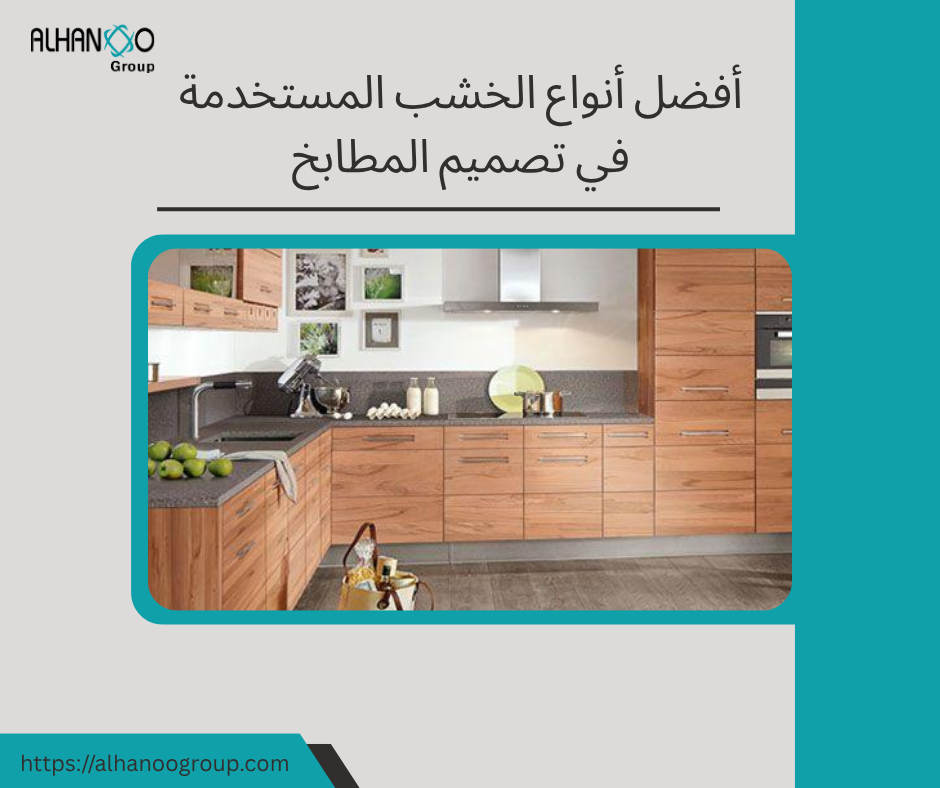
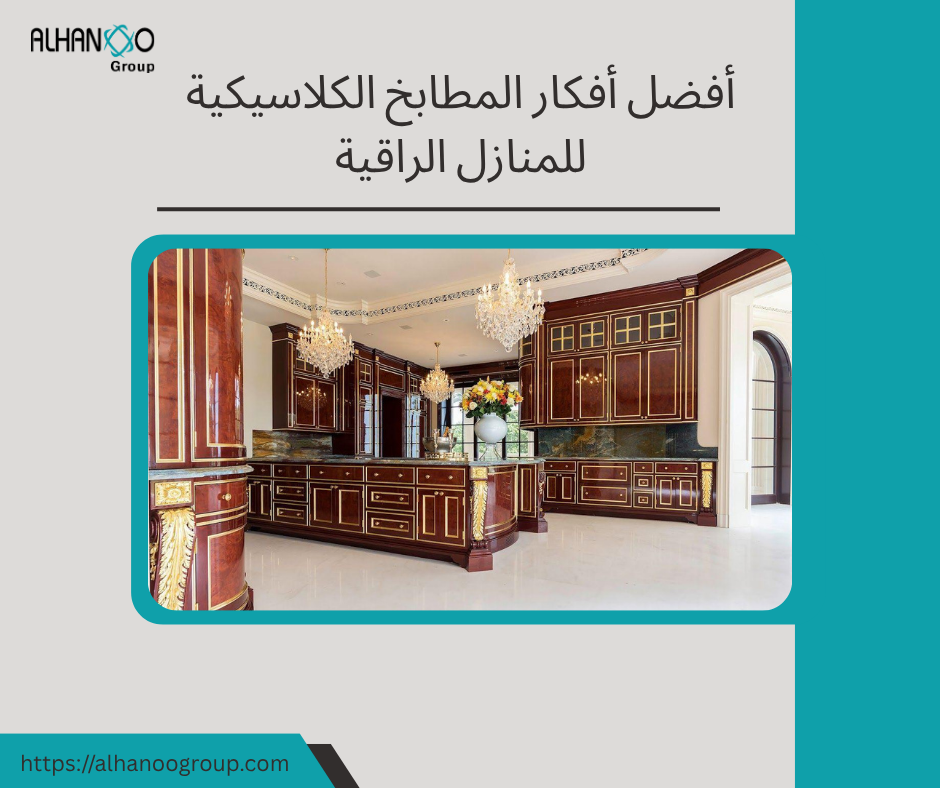
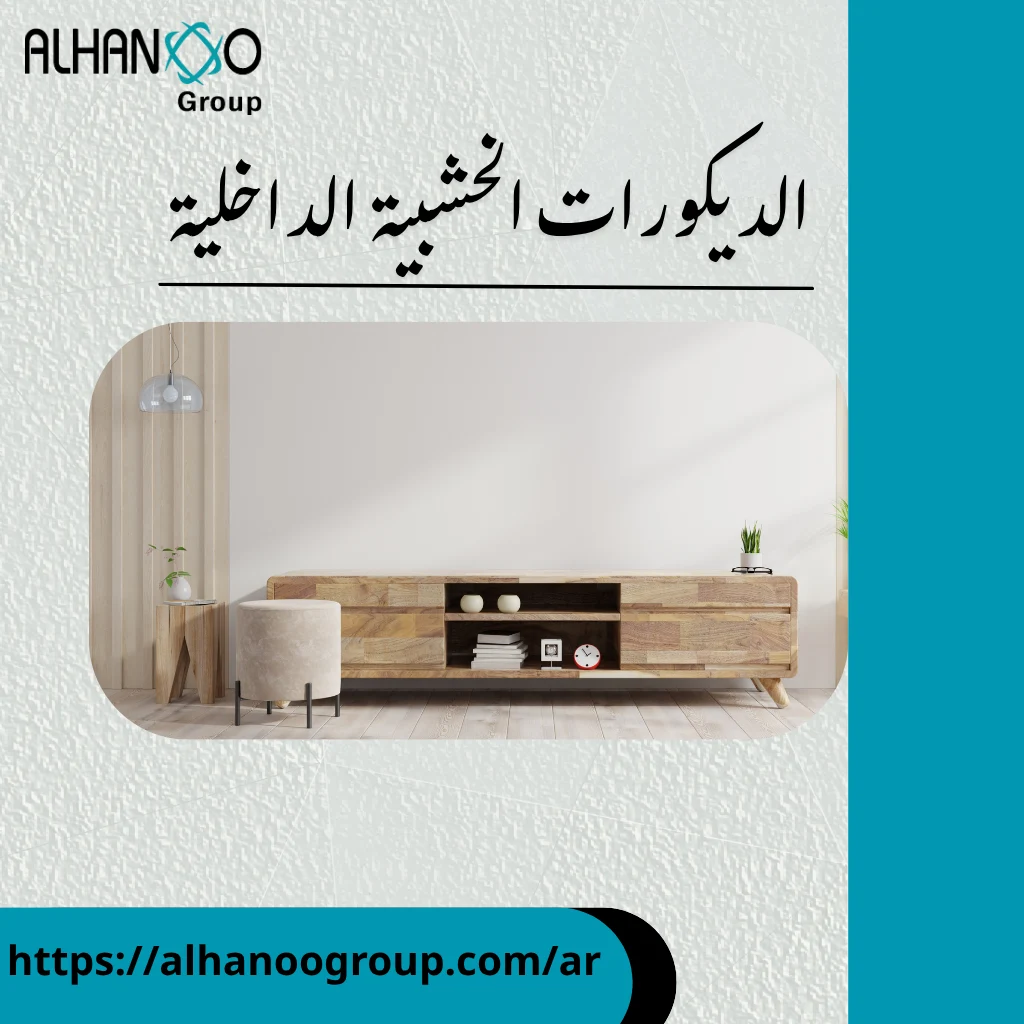
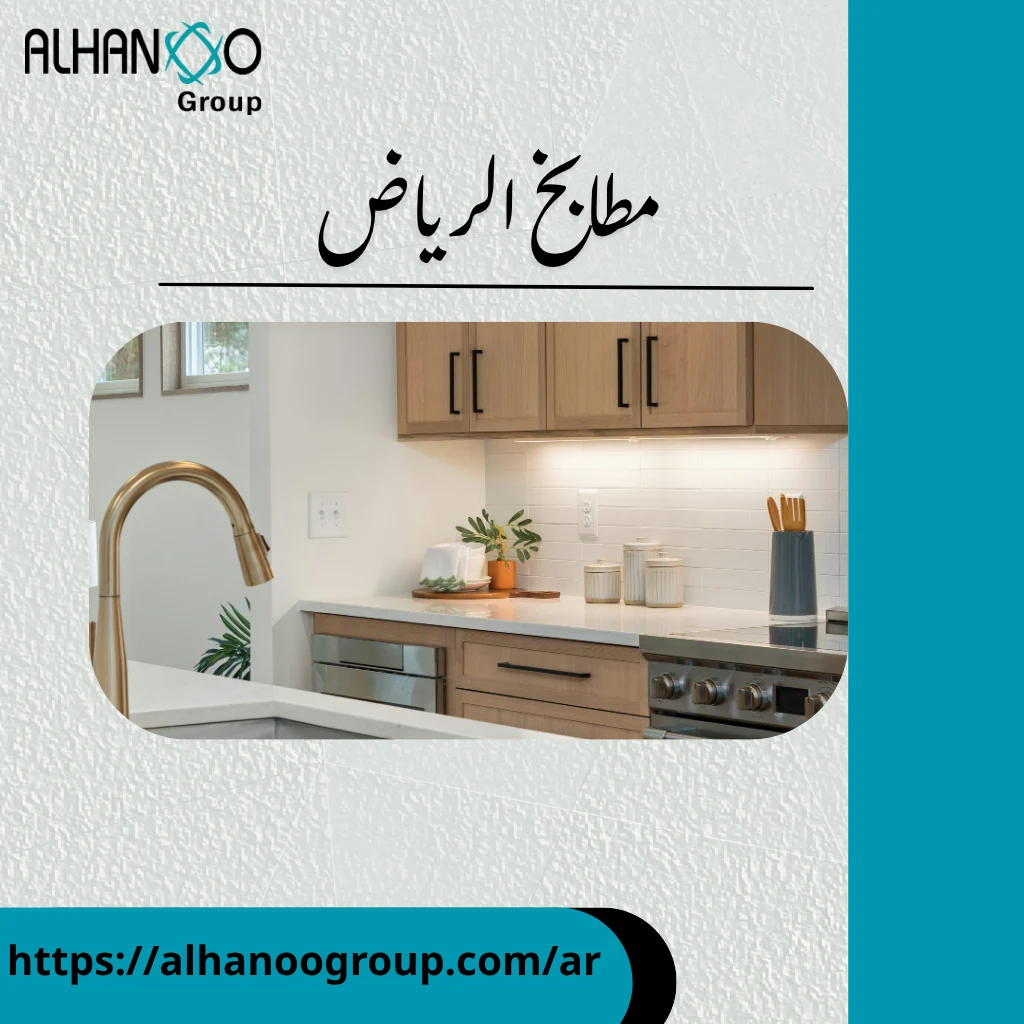
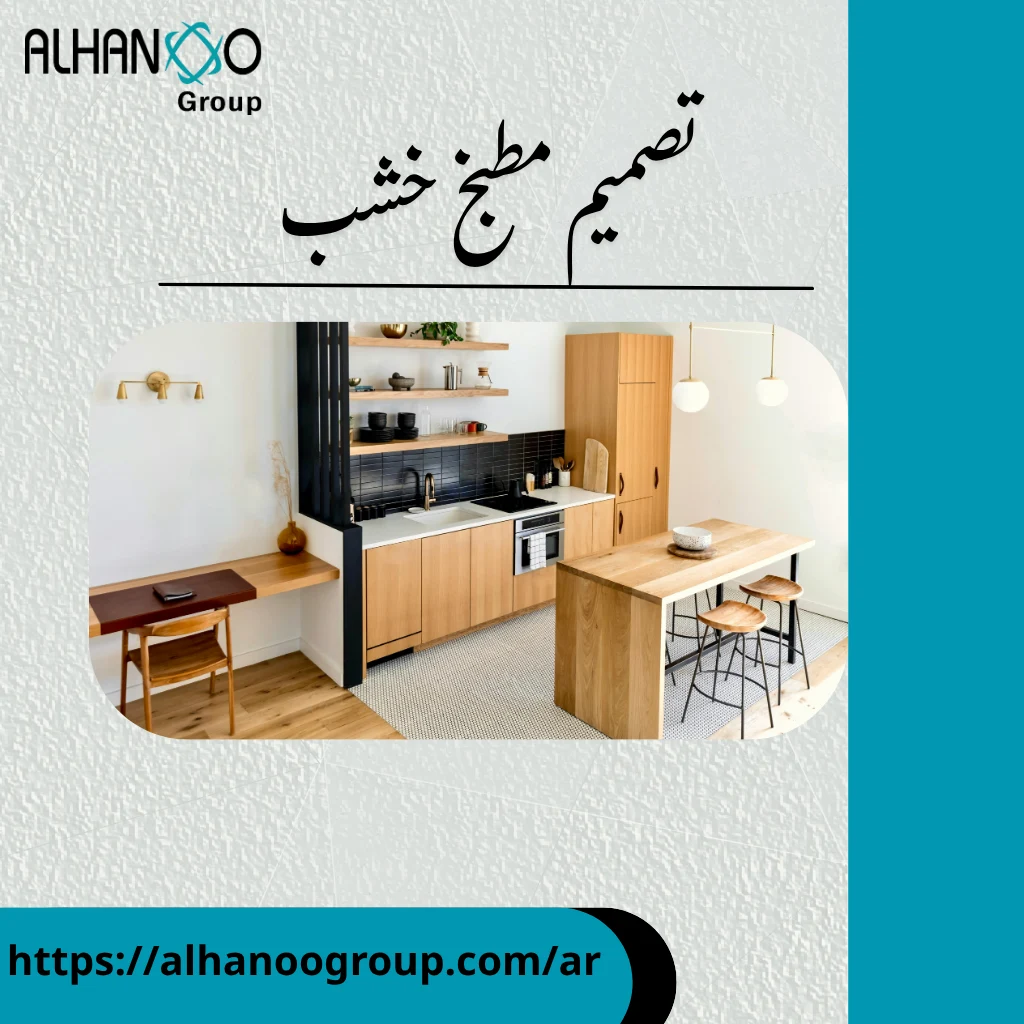
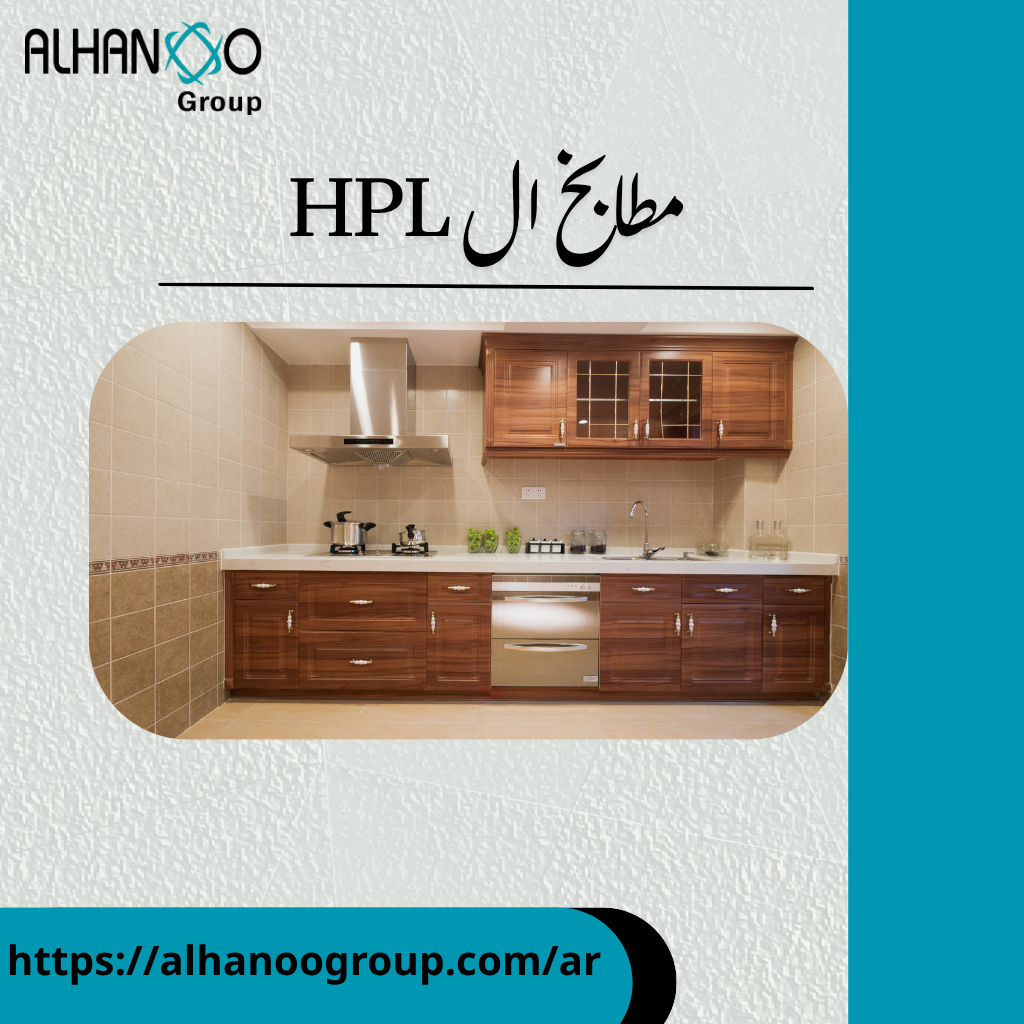
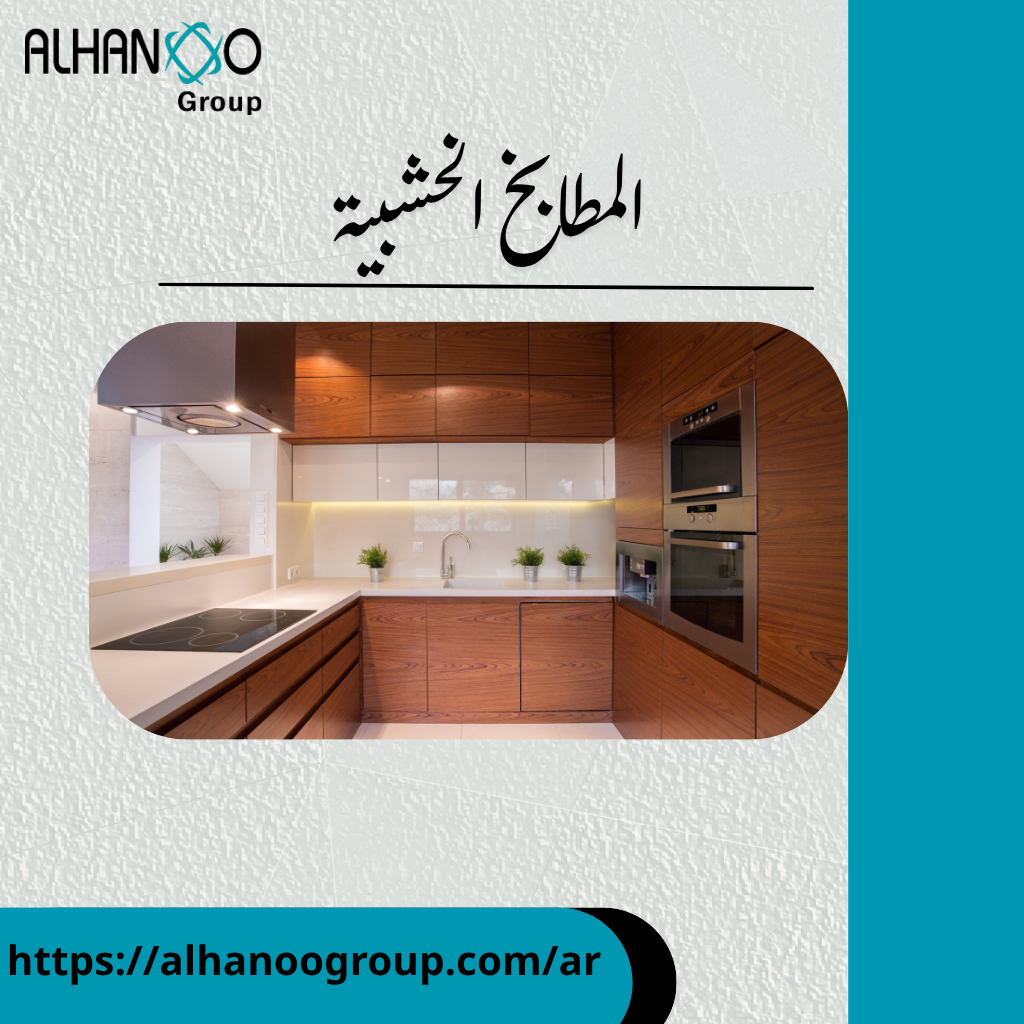
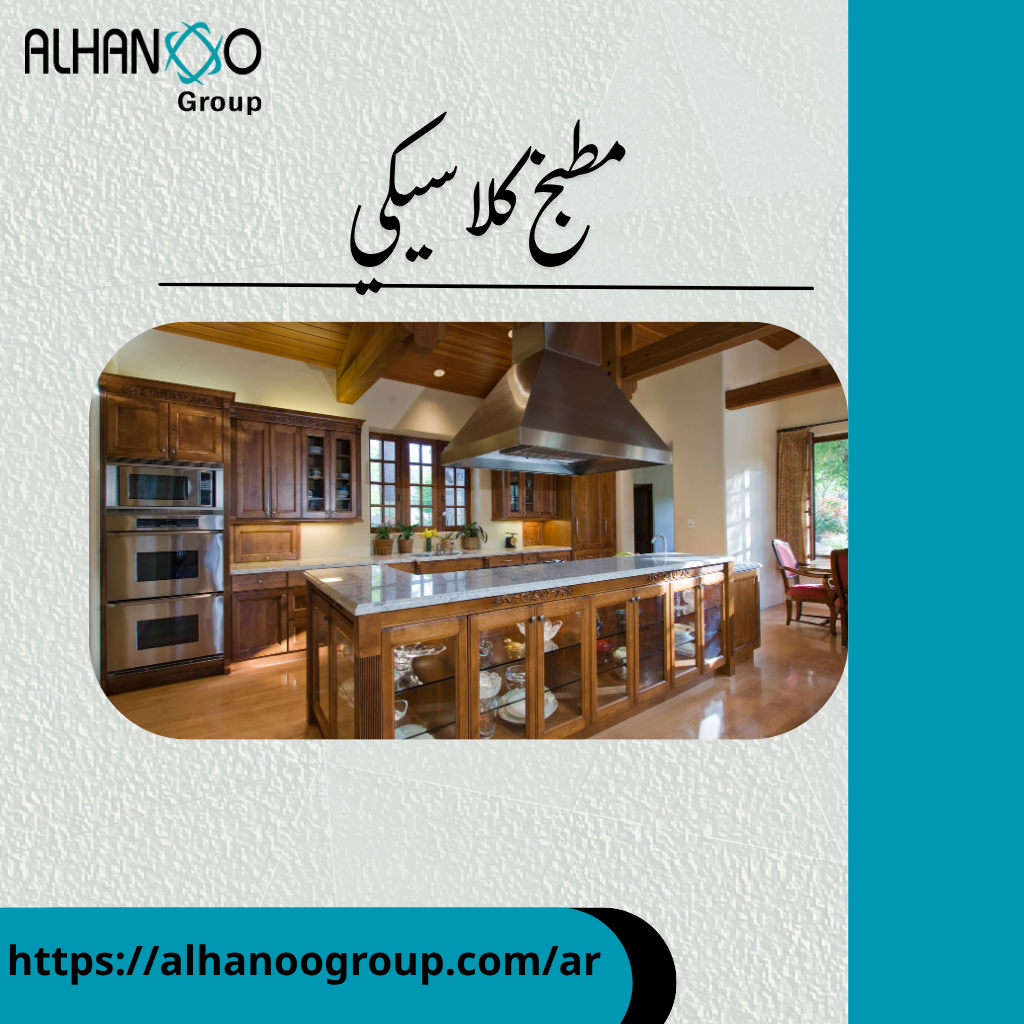
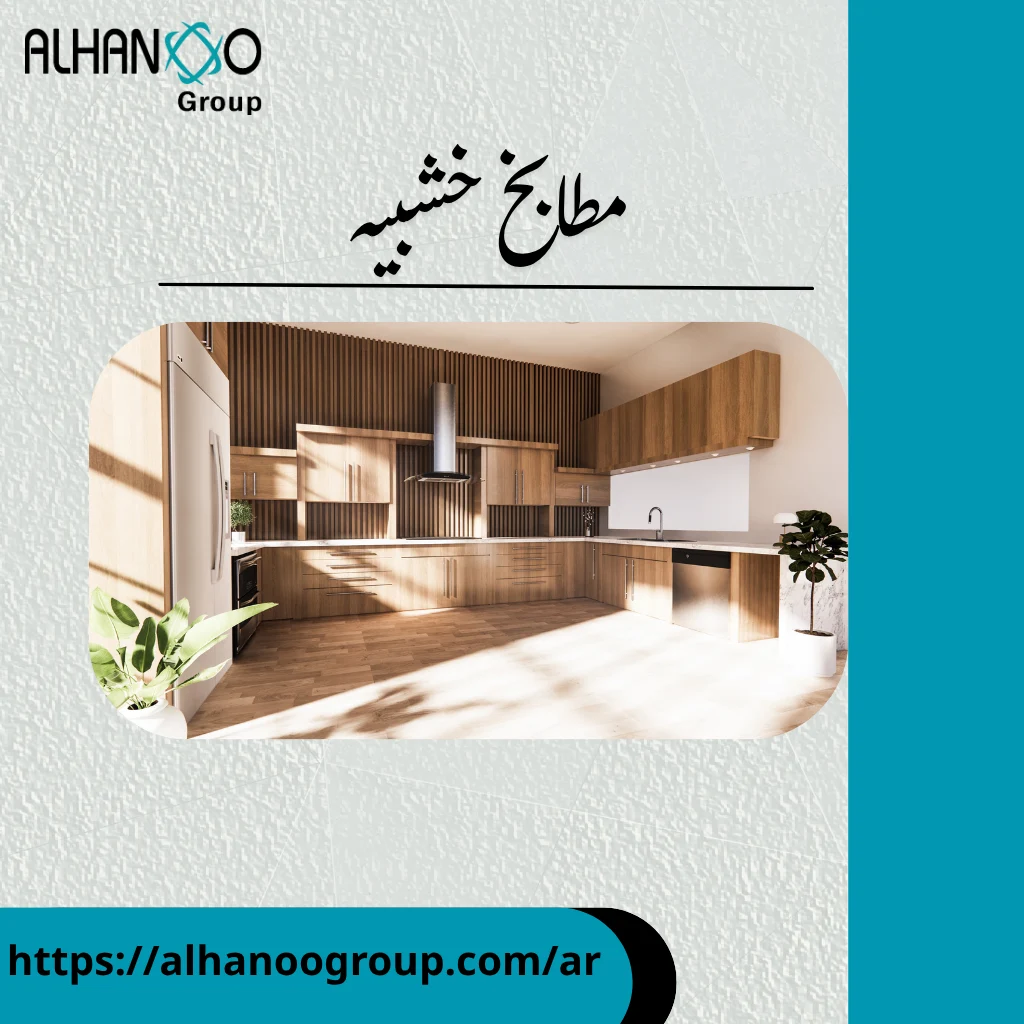
Classic kitchen design is distinguished by elegant lines and fine details, using high-quality natural materials. Solid wood such as beech, oak, and mahogany is commonly preferred due to its durability and natural beauty. These materials add warmth and sophistication, reflecting the refined traditional style that many clients seek.
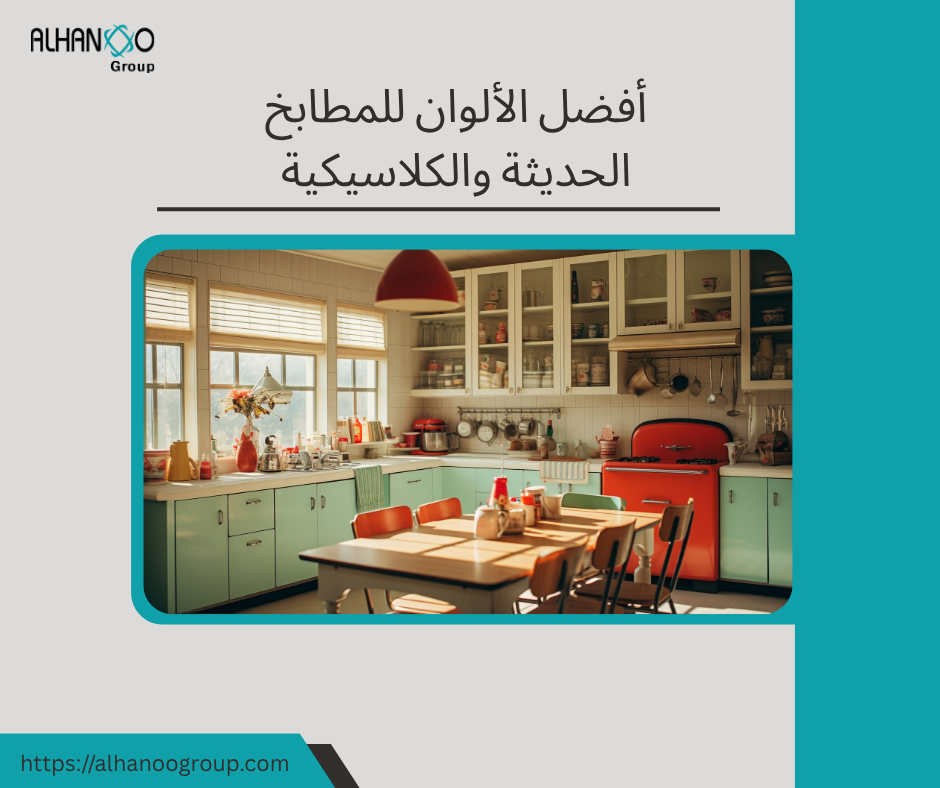
Colors play a key role in classic kitchen design, often leaning toward warm tones such as brown, ivory, and natural wood shades. Matte or semi-gloss finishes provide a luxurious touch without being overwhelming, while maintaining a timeless aesthetic. At Hanoo Group, we combine natural wood tones with subtle metallic accents such as gold or silver to highlight fine details.
One of the defining features of classic kitchens is the attention to detail in cabinetry and furniture. Cabinet doors often include intricate carvings and decorative patterns, paired with classic metal handles. Drawers are designed to be both functional and easy to use. Classic furniture design focuses on balancing beauty with everyday usability, ensuring each element serves a purpose while maintaining its artistic appeal.
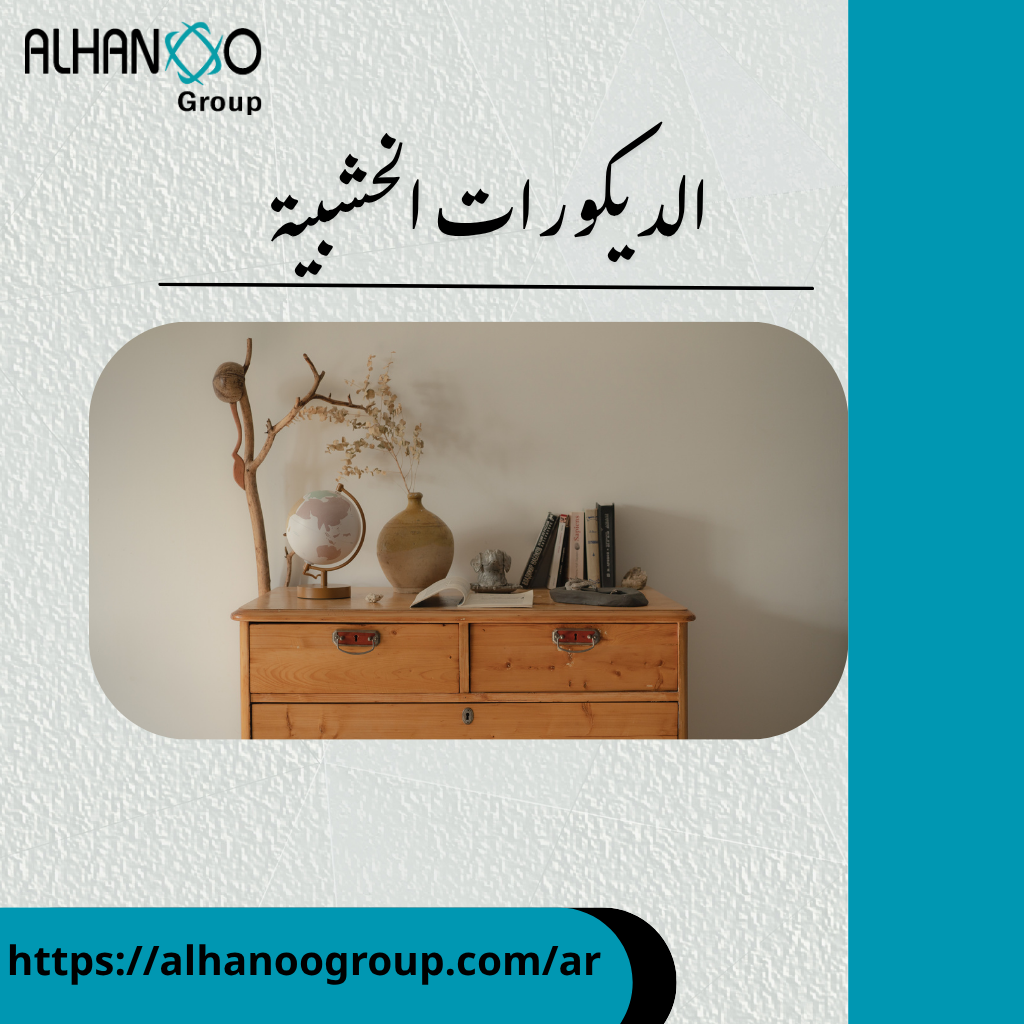
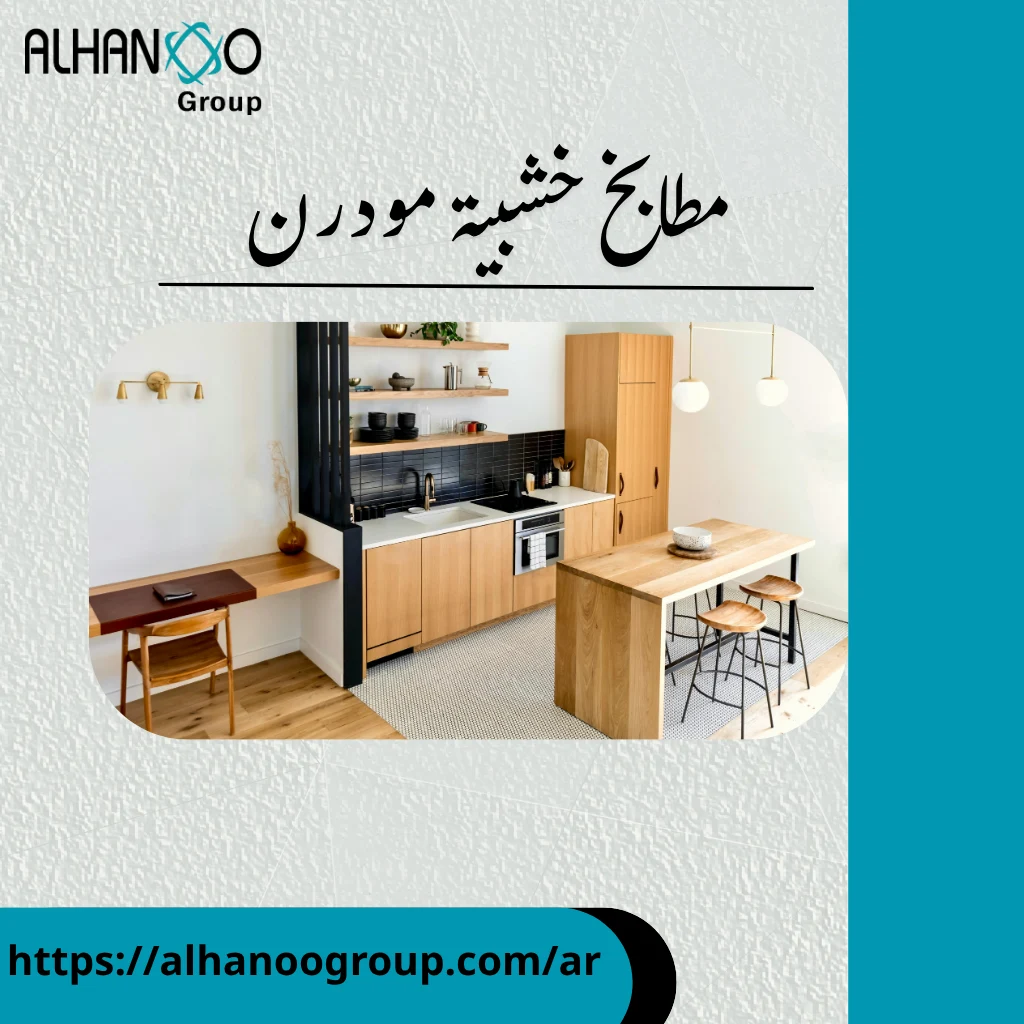
Natural wood is the core element in classic kitchen design and is used in:
Upper and lower cabinets
Tables and seating
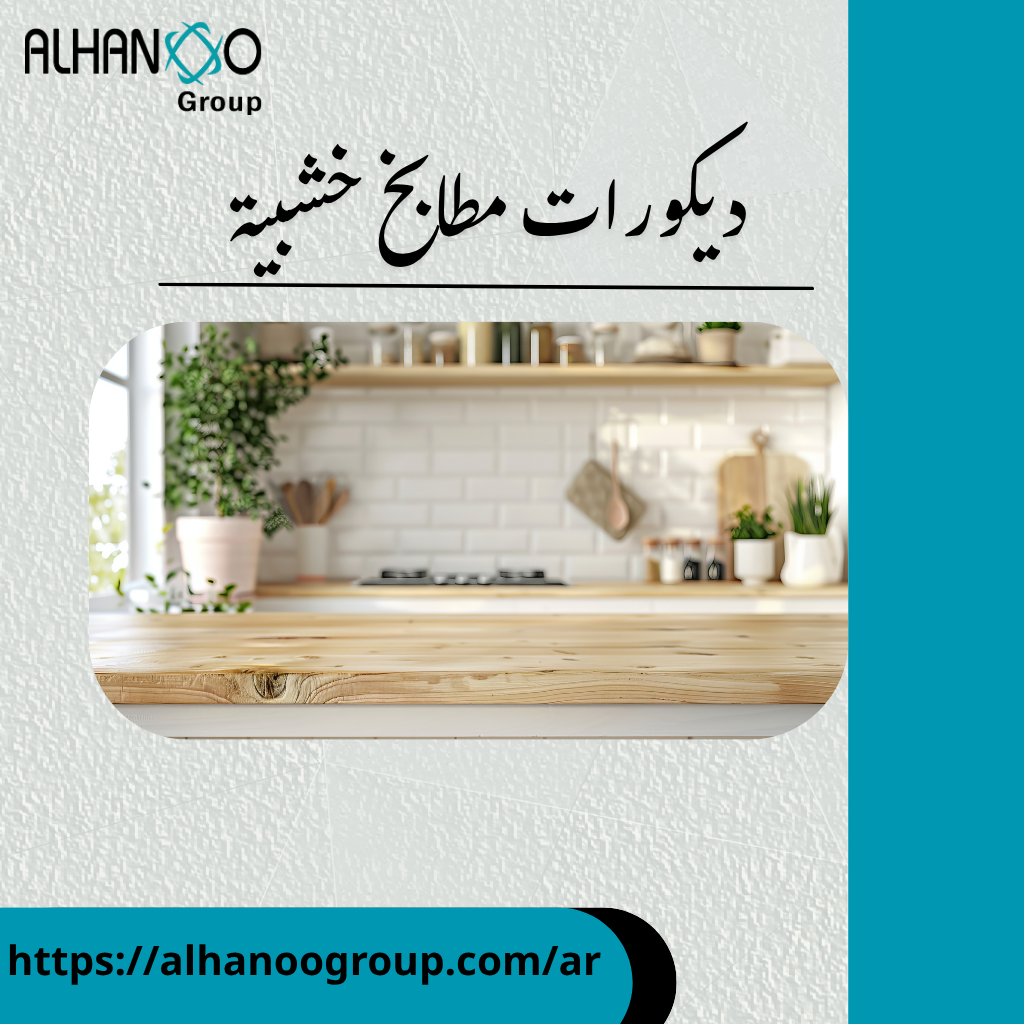
Open shelves for displaying items
Internal kitchen doors
These elements provide warmth, elegance, and durability while preserving the authentic classic style.
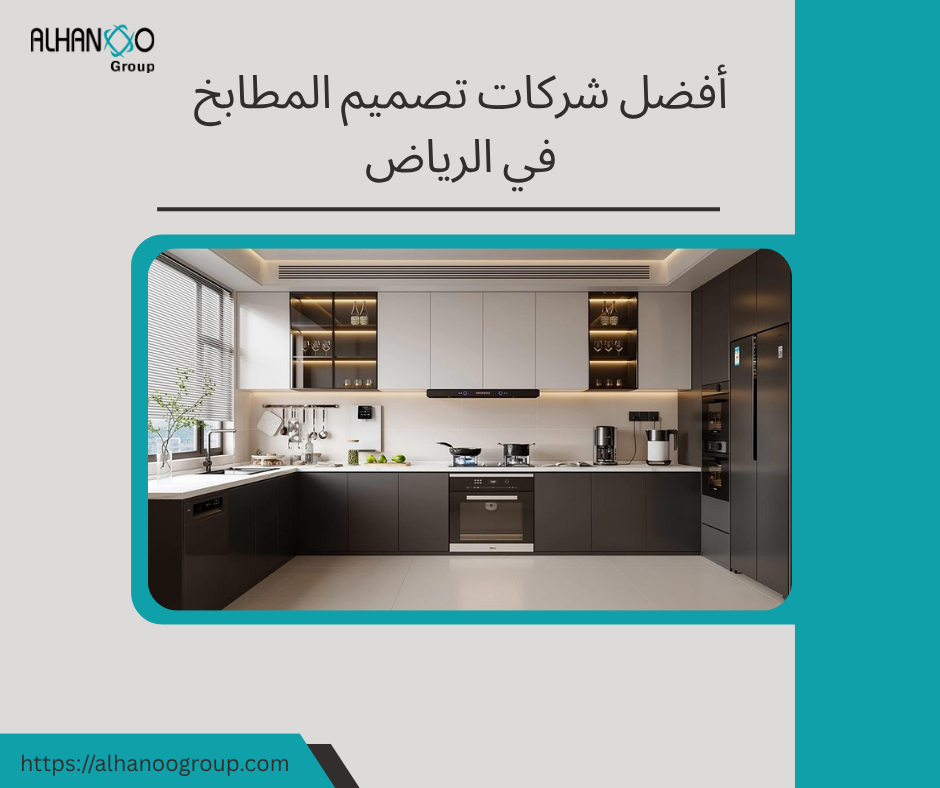
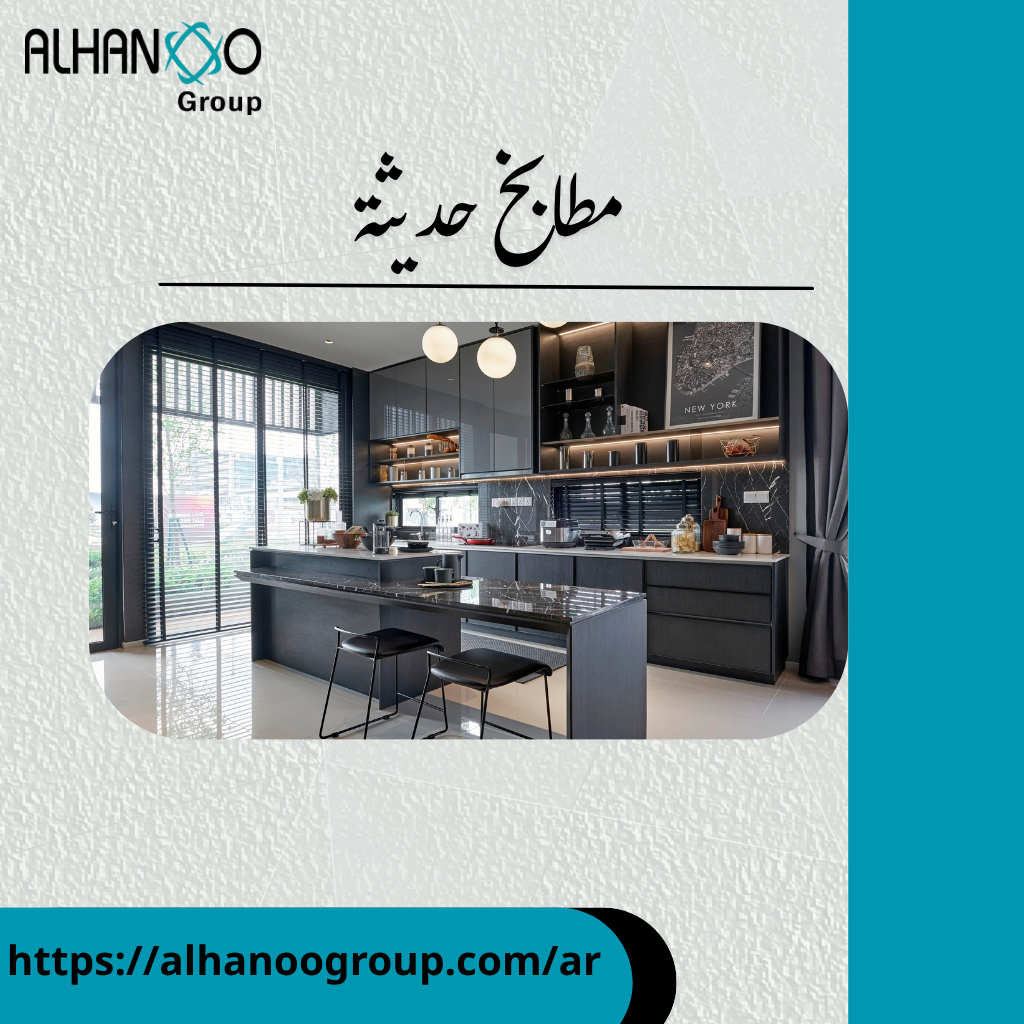
Even in classic kitchen design, modern technology can be integrated to improve functionality. Features such as soft-closing drawers, smart lighting, and innovative storage solutions enhance usability while maintaining the traditional look. This makes the kitchen visually classic but functionally modern, especially in larger spaces requiring efficient organization.
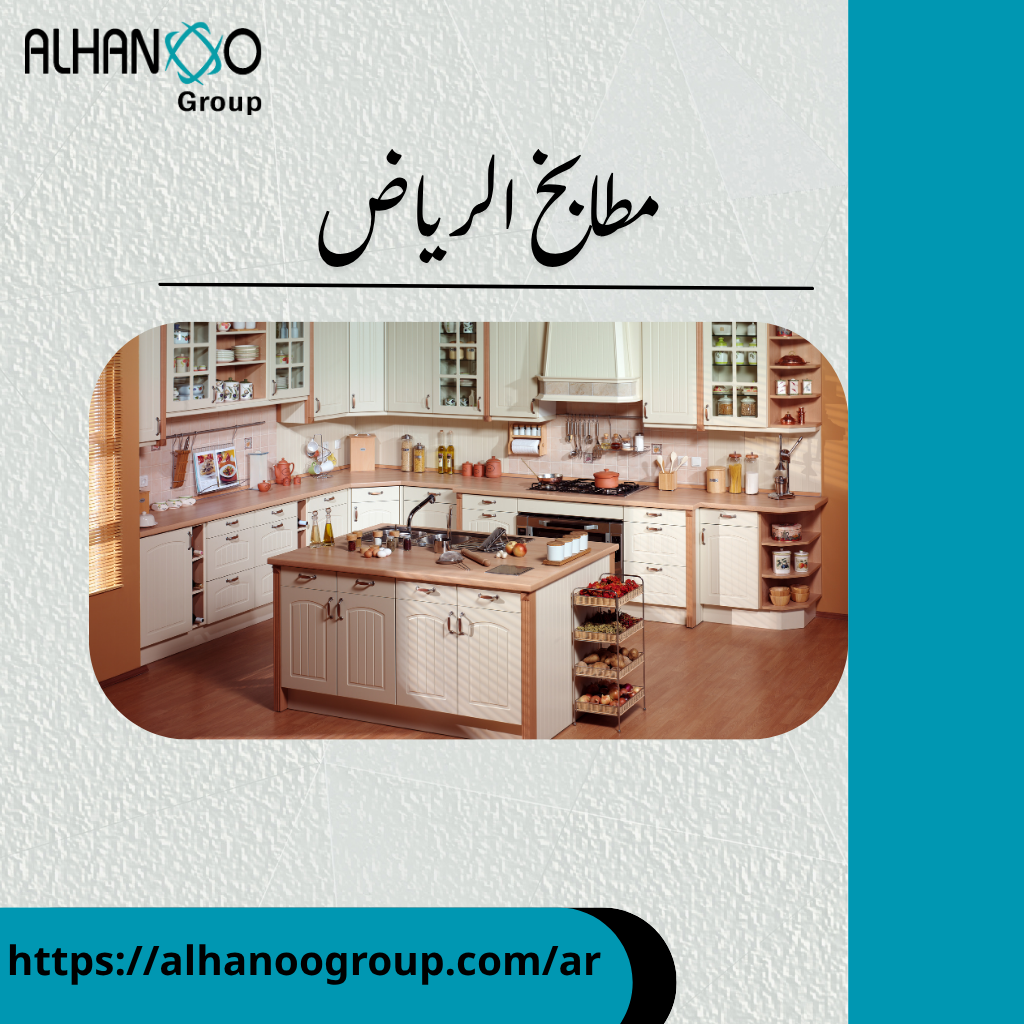
Classic kitchen design focuses on maximizing space efficiency. Cabinets and drawers are carefully planned to store all kitchen essentials in an organized way, while ensuring enough room for movement and work. A balance between open and closed storage creates both visual appeal and practical functionality.
Classic kitchens made from high-quality wood are known for their durability and long lifespan. Properly treated materials protect against moisture, heat, and cracking, ensuring the kitchen remains in excellent condition for many years. This makes classic kitchen design a long-term investment.
In summary, classic kitchen design combines timeless beauty, warmth, and practical durability. At Hanoo Group, we carefully select the finest wood types, colors, and finishes to create kitchens that blend luxury with everyday functionality.
Whether you are looking for a large, elegant kitchen or a medium-sized space with a classic aesthetic, classic kitchen design offers a complete solution that reflects refined taste while remaining highly functional.
Choosing a classic kitchen design at Hanoo Group is an investment in a stylish, durable kitchen that adds unmatched warmth and elegance to your home.
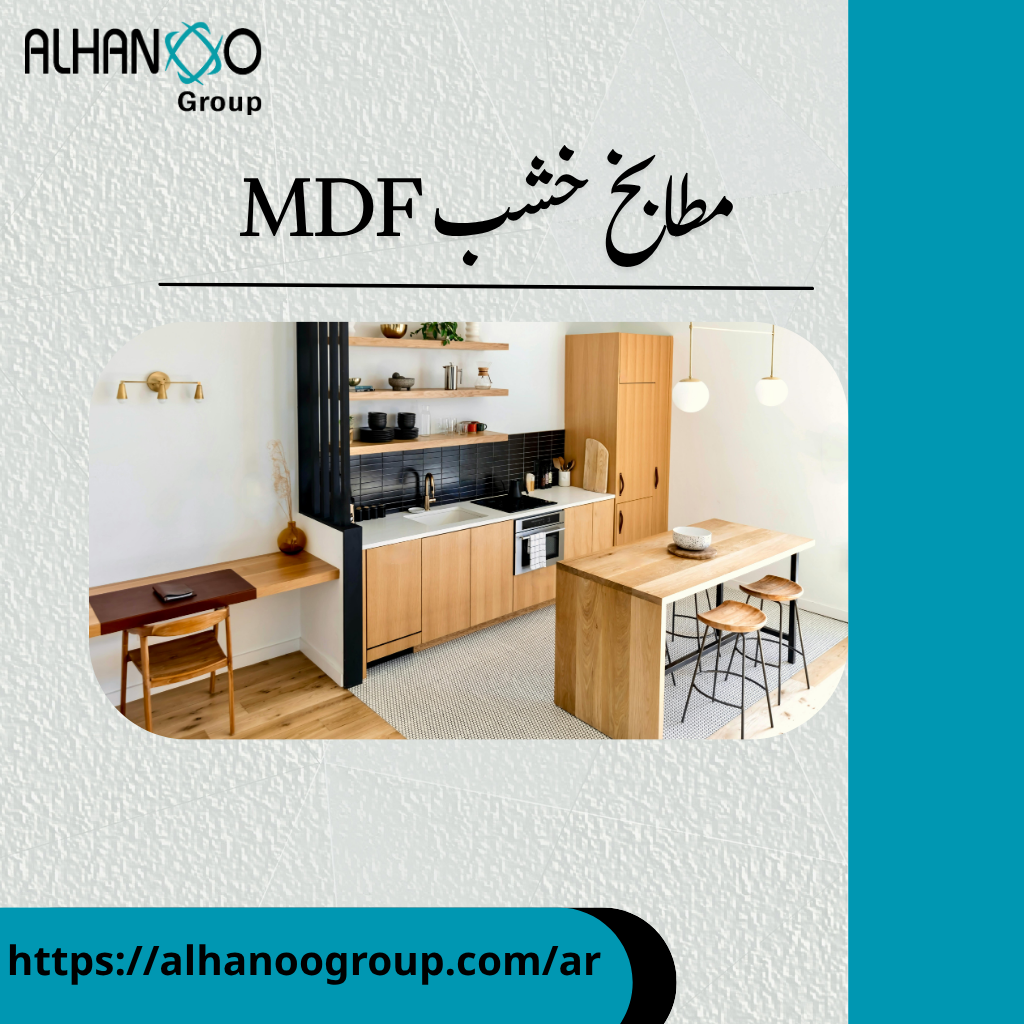
It is a design based on natural wood or MDF with decorative details and warm colors that create a sense of luxury and elegance.
It offers elegance, durability, smart storage solutions, and compatibility with traditional interiors.
Yes, by using upper cabinets, smart storage solutions, and minimizing decorative elements to save space.
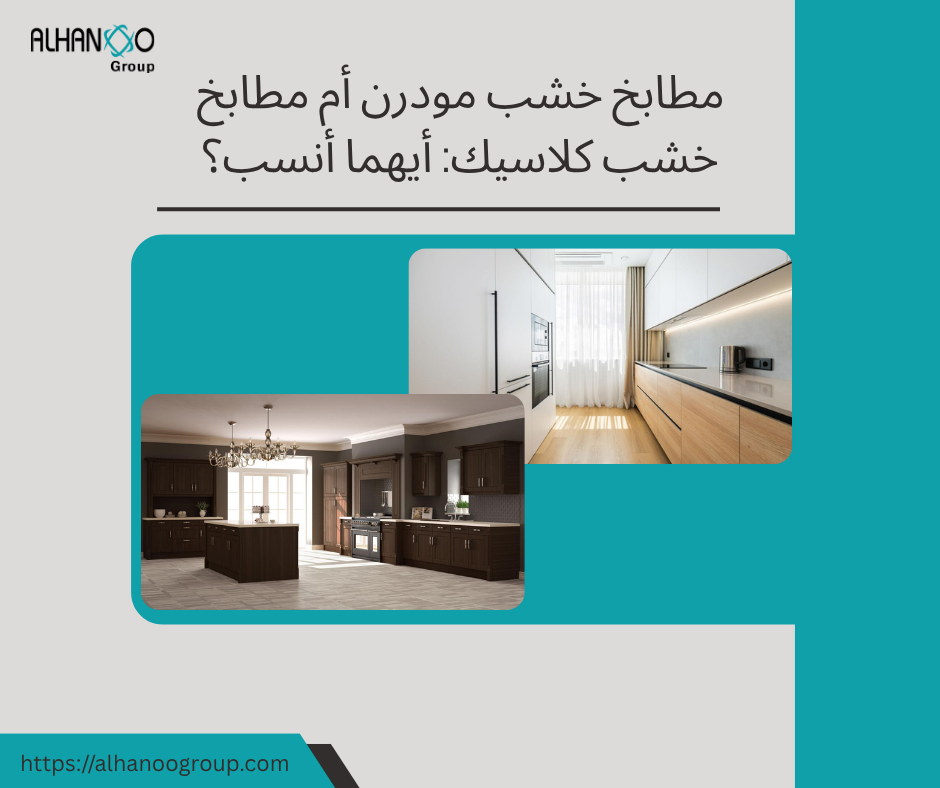
Classic kitchens rely on wood, decorative details, and warm tones, while modern kitchens focus on simplicity, neutral colors, and contemporary materials.
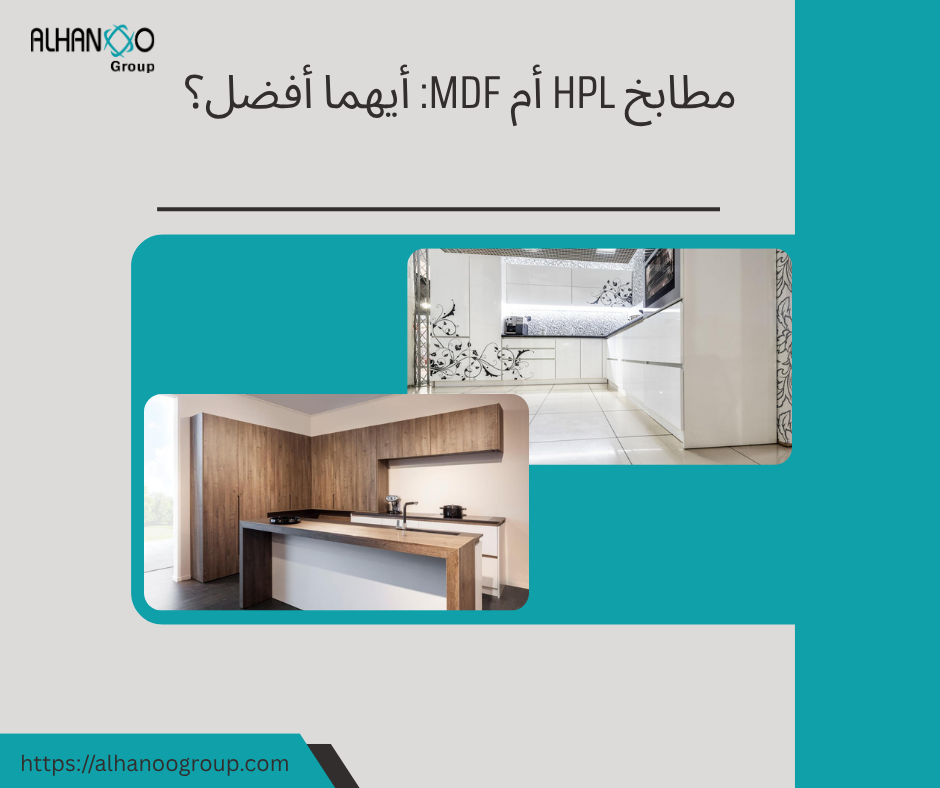
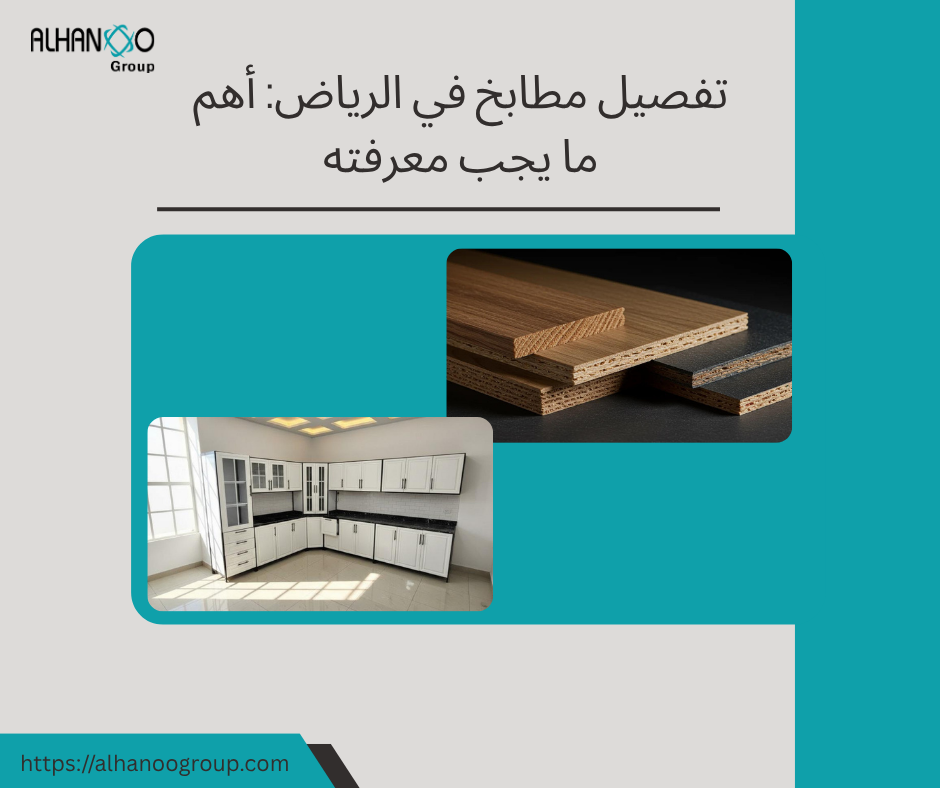
Natural wood such as beech, oak, and mahogany, or high-quality MDF with suitable finishes.
By using protective coatings, avoiding direct water exposure, and proper installation.
Yes, by incorporating neutral colors, modern materials, and smart lighting while maintaining the classic style.
Proper planning, choosing high-quality materials, balancing aesthetics and functionality, and focusing on lighting and details.